Comprehensive Islamic Studies Program
Islamic studies cover far more ground than most people expect when they first consider a structured course. Beyond Quran recitation alone, a well rounded program introduces core beliefs, worship practices, character development, and basic Arabic terminology, giving students a broad and connected understanding rather than isolated pieces of knowledge.
Why a Structured Program Matters
Learning Islamic studies from scattered videos and articles online often leaves gaps, since topics are covered inconsistently and without any clear order. A structured course builds knowledge step by step, starting with foundational concepts and gradually introducing more detail, so each new topic connects logically to what came before rather than feeling disconnected.
Who This Course Is Designed For
This program suits children building their first understanding of Islamic practice, teenagers preparing for more independent religious responsibility, and adults who want a clearer, more structured foundation than what they picked up informally over the years. Lessons are adjusted in depth and pace depending on the student's age and existing knowledge.
Core Topics Covered
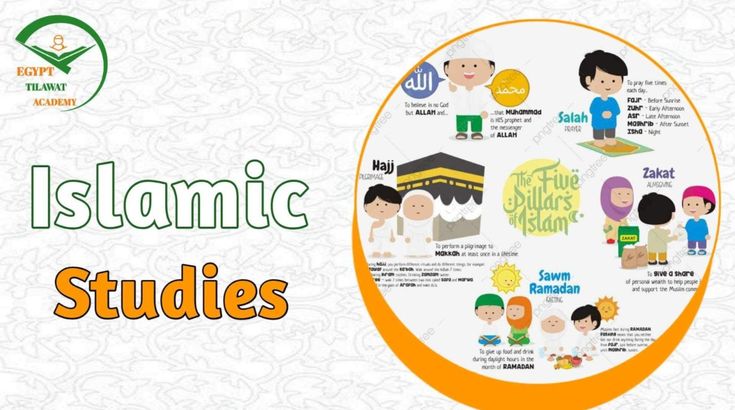
A comprehensive Islamic studies program typically includes the pillars of faith and practice, the basics of worship and its proper etiquette, an introduction to the life and character of the Prophet Muhammad, peace be upon him, presented factually and respectfully, as well as fundamental Arabic vocabulary that supports understanding of religious terms used in daily practice.
Building Strong Foundations First
Rather than moving quickly through many topics, early lessons focus on making sure foundational concepts are genuinely understood, not just memorized. A student who deeply understands the basics adapts much more easily to more advanced topics later than one who rushed through the fundamentals without real comprehension.
Age Appropriate Teaching
Younger children typically learn through short, engaging lessons with plenty of repetition and simple language, while older students and adults can handle more detailed explanations and discussion. A good teacher adjusts not just the content but the entire teaching style to match the student in front of them, rather than delivering the same lesson regardless of age.
Connecting Belief and Practice
Islamic studies work best when belief and daily practice are taught together rather than as separate subjects. Understanding the reasoning behind a practice tends to make it more meaningful and easier to maintain consistently, compared to memorizing rules without any context for why they matter.
Character and Manners
Alongside knowledge, a well rounded program places real emphasis on character, honesty, kindness, and good manners in daily interactions. These lessons are often woven into broader discussions rather than taught as a separate, isolated topic, since character development works best when connected to real, relatable situations a student might actually face.
Arabic Terminology Made Accessible
Many Islamic concepts are best understood through their original Arabic terms, since translations sometimes lose important nuance. This course introduces key terminology gradually, explaining meaning clearly without requiring students to already be fluent in Arabic, which makes the material accessible even for those still building their language skills.
How Lessons Are Structured Online
Each session is conducted live, one-on-one, allowing the teacher to adjust pace and answer questions directly as they come up, rather than following a fixed script regardless of how well a student is following along. This format also allows for genuine discussion, which tends to deepen understanding far more than passive listening alone.
Pairing This Course With Quran Studies
Many families pair Islamic studies with a dedicated Quran reading course, since understanding core beliefs and practices naturally complements learning to recite the Quran itself. Studying both together often deepens understanding of each subject individually as well.
A Note on Accuracy
Religious content deserves particular care and precision. Lessons in this program are built around well established, mainstream understanding rather than personal interpretation, and teachers are expected to clarify when a topic involves scholarly difference of opinion rather than presenting a single view as universally agreed upon.
Tracking Progress Over Time
Progress in Islamic studies is not always as easy to measure as, say, pages memorized in Quran class, since it includes understanding and character alongside factual knowledge. A good program still keeps some structure around what has been covered and what topics come next, giving both student and parent a clear sense of the learning path.
Getting Started
A short introductory session is usually the best starting point, allowing the teacher to understand a student's current knowledge and tailor the early lessons accordingly. From there, steady weekly sessions build a genuinely rounded understanding over time, far more effectively than occasional, unstructured learning.
Frequently Asked Questions
What age can children start Islamic studies lessons? Most programs welcome children from around age five, with content and pacing adjusted significantly for younger learners.
Is this course suitable for adults with little prior knowledge? Yes, adult beginners are welcome, and lessons build from foundational concepts rather than assuming prior study.
How does this course differ from a general Quran class? This program covers belief, practice, character, and basic terminology broadly, while a Quran class focuses specifically on recitation and memorization.
Can lessons be adjusted for a family's specific interests? Yes, teachers commonly adapt topic order and depth based on a family's particular questions and priorities within the broader curriculum.
Common Questions Parents Ask Before Starting
Parents often wonder whether their child is "ready" for structured Islamic studies, particularly if the family has not followed a formal learning path before. In most cases, readiness has less to do with prior knowledge and more to do with a child's ability to sit through a short, focused lesson, which most children can manage from around five or six years old with an experienced, patient teacher.
How This Program Handles Difficult or Sensitive Topics
As students grow older, lessons naturally touch on more complex topics that require careful, age appropriate explanation. Teachers experienced with this program are trained to introduce such topics gradually and honestly, adjusting language and depth to the student's maturity level rather than avoiding important subjects or overwhelming younger students with more detail than they are ready for.
The Role of Discussion and Questions
Live, one-on-one lessons naturally encourage students to ask questions as they come up, rather than saving confusion for later. This back and forth is one of the biggest advantages of individual instruction over group settings or pre-recorded content, since a teacher can immediately clarify a misunderstanding before it turns into a larger gap in understanding.
Building Long Term Understanding, Not Just Memorization
The goal of this program is genuine understanding that a student carries with them long term, not short term memorization for the sake of completing a lesson plan. This means teachers regularly revisit earlier topics in new contexts, reinforcing understanding gradually rather than assuming a single lesson is enough for a concept to fully stick.
Family Involvement
Parents play an important role in reinforcing what is learned in lessons, even without needing deep religious knowledge themselves. Simple conversations at home about a recent lesson topic, or gently encouraging practice of good manners discussed in class, help extend learning beyond the scheduled session and into daily life, which is ultimately where character education matters most.
Adjusting the Pace Over Time
Some students move through foundational topics quickly and are ready for more advanced material within months, while others benefit from a slower, more repetitive pace over a longer period. Neither approach is better than the other, since the goal is genuine understanding rather than covering material within a fixed timeframe. A good teacher regularly reassesses pace based on how a student is actually absorbing the material.
Why Consistency Matters Here Too
Just as with language or Quran learning, regular short lessons produce better long term results than occasional long sessions. A steady weekly rhythm helps knowledge and character lessons build cumulatively, with each session reinforcing and extending what came before rather than starting fresh each time.
Do lessons follow a specific school of thought? Programs generally focus on widely agreed upon, foundational understanding, and teachers clarify where scholarly opinions differ rather than presenting one view as the only correct position.
Combining Knowledge With Everyday Life
The most effective lessons connect abstract concepts to situations a student actually encounters, whether that is handling a disagreement with a sibling, making an honest choice when no one is watching, or understanding why a particular practice is observed the way it is. This practical grounding is what turns lessons into lasting understanding rather than information that fades shortly after class ends.
Over time, students who follow this kind of structured, patient approach tend to build not just knowledge but genuine confidence in their understanding, which stays with them well beyond the course itself.
How many sessions per week are recommended? Most students do well with two sessions a week, though this can flex depending on age, schedule, and how quickly a student is progressing through the material.
Whatever pace fits your family, the most important factor remains starting with a clear, structured plan rather than piecing knowledge together informally over time.
A structured start today makes every later lesson build on solid ground.
Professional teachers: you will learn with Egyptian teachers, who
are qualified and specialized in Islamic studies, they all graduated from
Al-Azhar University and its faculties.
Online learning: you can learn from the comfort of your home
with flexible scheduling.
Individual learning sessions: you can learn individually with your tutor.
Appreciation certificates: pass your assessments and get a certificate.
A lot of pricing plans: budget friendly fee.
Professional teachers: you will learn with Egyptian teachers, who are qualified and specialized in Islamic studies, they all graduated from Al-Azhar University and its faculties.
Online learning: you can learn from the comfort of your home with flexible scheduling.
Individual learning sessions: you can learn individually with your tutor.
Appreciation certificates: pass your assessments and get a certificate.
A lot of pricing plans: budget friendly fee.