Teach Your Kids the Holy Quran
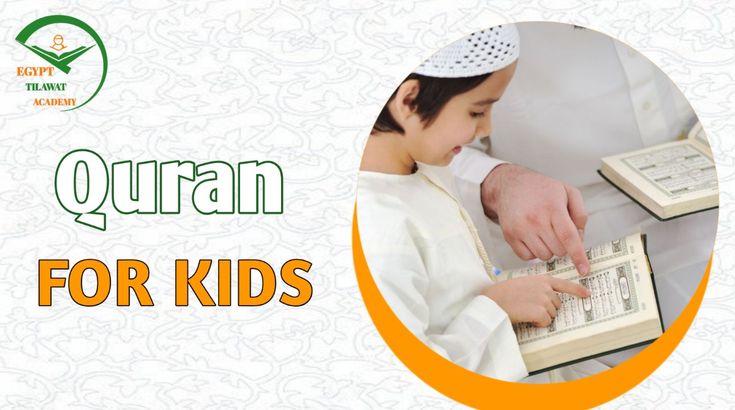
Teaching young children the Quran works best when the approach matches how children actually learn, through short sessions, repetition, gentle encouragement, and plenty of patience. A course built specifically for kids looks very different from one designed for adults, both in pace and in teaching style.
Why Age Appropriate Teaching Matters
Children have shorter attention spans and learn differently than adults, absorbing rhythm and sound patterns quickly through repetition rather than detailed explanation. A teacher experienced with young learners understands this and builds lessons around short, focused activities rather than long, lecture style sessions that quickly lose a child's attention.
What a Typical Lesson Looks Like
Sessions for younger children are usually shorter than adult lessons, often between twenty and thirty minutes, and combine letter recognition, guided repetition, and simple positive reinforcement to keep the child engaged throughout. Teachers experienced with kids know how to keep energy up without losing structure, balancing fun with genuine progress.
Starting With the Alphabet
Just like adult students, children begin with the Arabic alphabet, learning to recognize each letter and its sound. For young learners, this stage often includes visual aids, songs, and repetition games that make memorization feel natural rather than like a chore, building a strong foundation before moving into full words and verses.
Building Correct Pronunciation Early
Starting Tajweed habits correctly from the beginning is much easier than correcting mistakes later, and children who are taught precise pronunciation from their very first lessons tend to carry that accuracy naturally as they grow older. A patient, experienced teacher corrects gently and consistently, without making a child feel discouraged by small mistakes along the way.
Keeping Children Engaged Online
Some parents worry that online lessons cannot hold a young child's attention the way in-person classes can. In practice, this comes down far more to the teacher's experience with children than to the format itself. Interactive elements, encouragement, and short, well paced segments keep most children engaged just as effectively online as they would be in a physical classroom setting.
The Role of Parents in Early Lessons
Having a parent nearby during the first few sessions helps young children settle into a new routine, especially before they are fully comfortable with the format and their teacher. As children grow more confident, most gradually attend sessions more independently, though parental encouragement and simple daily review at home continue to matter throughout the learning journey.
Progressing at a Child's Own Pace
Every child learns at a different speed, and comparing one child's progress to another rarely helps. A good program adjusts pace based on the individual child rather than a fixed schedule, moving forward once a stage is genuinely comfortable rather than rushing based on age alone. Some children move through the alphabet in weeks, others take a few months, and both are completely normal.
Connecting Memorization and Understanding
Once a child is comfortable reading, many parents look toward memorization as a next step. A structured Quran memorization program designed with young learners in mind paces new material carefully alongside regular revision, since retention matters just as much as learning new pages for children at this age.
Building Positive Associations With Learning
How a child feels about their early lessons shapes how they approach Quran learning for years to come. Encouraging teachers who celebrate small wins and stay patient through mistakes help build genuine enjoyment of learning, rather than lessons that feel like a stressful obligation. This emotional foundation matters just as much as the academic progress itself.
How Often Should Young Children Have Lessons?
Two to three short sessions a week tend to work well for most young children, balancing steady progress with enough downtime to avoid burnout. Daily very short review at home, even just five to ten minutes, reinforces what is covered in lessons without adding pressure to an already busy childhood schedule.
Signs a Child Is Ready to Move Forward
A child who recognizes letters quickly and consistently, sounds out simple connected words with growing confidence, and shows genuine comfort with current material is usually ready to progress. Teachers tracking sessions closely typically flag this transition naturally rather than leaving it to guesswork or a fixed calendar timeline.
Getting Started
A short trial lesson is the best way to see how your child responds to a particular teacher's style before committing to a longer schedule. From there, consistency, patience, and a teacher who genuinely enjoys working with children make the biggest difference in how quickly and happily a child progresses.
Frequently Asked Questions
What age can children start learning Quran online? Many programs accept children from around age five, with lesson length and format adjusted significantly for younger students.
How long are lessons for young children? Sessions are typically shorter than adult lessons, often between twenty and thirty minutes depending on the child's age and attention span.
Should a parent stay present during lessons? This is often helpful in the first few sessions, especially for younger or shy children, though most children become comfortable attending more independently over time.
What if my child loses interest partway through a lesson? Experienced teachers are used to this and will adjust pacing or activities in the moment rather than pushing through a fixed lesson plan regardless of the child's engagement.
Choosing the Right Teacher for Your Child
Not every excellent Quran teacher is naturally suited to teaching young children, and this is worth checking before committing to a longer program. Look for a teacher with specific experience working with kids, patience during repeated mistakes, and an ability to keep sessions light and encouraging without losing structure. A short trial lesson usually reveals this fit quickly, often more clearly than any written description could.
Balancing Screen Time With Learning Value
Parents are naturally mindful of how much screen time their children already have, and it is a reasonable concern. A well run Quran lesson is different from passive screen time, since it requires active participation and direct interaction with a teacher throughout the session. Keeping sessions reasonably short, especially for younger children, helps strike a healthy balance between meaningful learning and overall screen exposure.
Handling Frustration and Slow Days
Every child has off days where focus is harder to maintain, whether due to tiredness, distraction, or simply a difficult concept. Experienced teachers do not treat these days as setbacks, but as a normal part of the learning process, adjusting the session accordingly rather than pushing through frustration. Parents can support this by keeping expectations realistic and avoiding pressure around occasional slower progress.
Celebrating Small Milestones
Recognizing progress along the way, finishing a set of letters, reading a first full word independently, or completing a short passage smoothly, helps children stay motivated over the months it takes to build strong foundations. Small, genuine celebrations of these milestones often matter more to a child's continued enthusiasm than any single big achievement further down the road.
Preparing for Group Settings Later
Many children who start with one-on-one lessons eventually join family or community group recitation settings as they grow older. The strong individual foundation built through personalized correction in these early years makes that later transition much smoother, since the child already carries accurate pronunciation habits into any group environment they join afterward.
Will my child need extra practice outside of lessons? Short, light review at home, even just a few minutes most days, reinforces lessons well, though it should stay low pressure and encouraging rather than feel like an additional obligation.
Why Early Habits Matter So Much
Pronunciation and reading habits learned in childhood tend to stay with a person for life, whether those habits are accurate or not. This is exactly why investing in a patient, qualified teacher during these early years pays off far beyond the immediate lesson, shaping how comfortably and correctly a child recites for decades to come rather than just through the current course.
Supporting Siblings Learning Together
Families with multiple children sometimes wonder whether siblings should learn together or separately. Individual lessons, even for siblings close in age, generally allow each child's specific pace and needs to be addressed properly, since combining ability levels in one session often means one child is either held back or left struggling to keep up.
With the right teacher, a realistic weekly rhythm, and genuine patience through the slower stretches, most children build strong, confident Quran reading skills that serve them well into adulthood. The early investment in getting pronunciation and habits right consistently pays off far beyond the classroom itself.
Can lessons be paused during school exam periods or holidays? Yes, most programs allow flexible scheduling around a family's calendar, since maintaining a positive relationship with learning matters more long term than strict adherence to a fixed weekly schedule.
A flexible, encouraging approach today builds the kind of lasting confidence a child carries with them for the rest of their life.
Starting today, even with a short trial lesson, is often the simplest way to see this approach in action.
Every child deserves patient, correct guidance from the very first lesson.
Free trial: through this session we assess the child's level to determine where they
should start their learning journey.
Arabic for kids lessons: including learning how to read Quran correctly
with tajweed rules.
Quran for kids lessons: your kid will memorize the Quran beside the
good reading.
Special curriculums for kids: our curriculums are suitable for kids from the
age of four.
Variety in activities: different interactive activities and games to
make the Quran class more engaging and funny
Skilled kid's teachers: our tutors are qualified to deal with young
ages and their educational needs; they all graduated from Al-Azhar University
and native Arabic speakers.
Online learning: your kid can learn anywhere and anytime.
One-to-one sessions: your kid will study individually with his
teacher to reach extreme benefit from the session.
Certificates of appreciation: your kid can get certificate after his
quizzes.
Affordable fees and different pricing plans: we have a lot of pricing plans you can choose from