What Is Islamic Fiqh?
Islamic Fiqh is jurisprudence, the human process of interpreting and applying divine law (Sharia) to daily life.
Scholars (Faqih) use the Quran, the Prophet's traditions (Sunnah), scholarly
consensus, and analogy to derive practical rules for worship, family, and
business.
Islamic Fiqh refers to the scholarly understanding and interpretation of
Islamic law derived from primary sources like the Quran, Hadith, consensus
(Ijma), and analogical reasoning (Qiyas).
It involves juristic effort (Ijtihad) by qualified scholars to derive
rulings on religious and legal matters.
Fiqh in Islam encompasses various schools of thought (Madhahib), such as
Hanafi, Maliki, Shafi'i, and Hanbali, each offering distinct interpretations
while adhering to shared foundational principles.
Institutions like the Islamic Fiqh Council play a role in addressing
contemporary issues through collective scholarly deliberation.
The word fiqh comes from the Arabic language and refers to deep understanding.
Over the centuries, dedicated scholars and jurists developed Islamic fiqh
through careful study of the Quran, authentic Hadith, and the practices of the
Islamic Prophet Muhammad.
Their scholarly effort, known as ijtihad, helped explain many new matters
while remaining faithful to the principles of Shariah.
In this article, you will learn what Islamic fiqh is, its meaning, sources,
schools, and importance in daily life.
Discover how Egypt Tilawat Academy helps beginners and adults study Islamic
fiqh online.
What Is the Meaning of Fiqh in Islam?
The definition of Islamic fiqh begins with the meaning
of the Arabic word itself.
The word fiqh literally means "deep
understanding" or "full comprehension."
In Islamic terminology, fiqh refers to the understanding
of practical Islamic laws that are derived from detailed evidence found in the
Qur'an, the authentic Sunnah, scholarly consensus, and other recognized sources
of Islamic jurisprudence.
Unlike general religious knowledge, Islamic fiqh focuses
on actions.
It explains how Muslims should perform prayer, fast, give alms, perform Hajj, marry, conduct business, inherit, and handle many other aspects
of daily life.
Every ruling is based on the teachings revealed by Allah
and explained by the Islamic Prophet Muhammad (peace be upon him).
The study of jurisprudence fiqh requires careful
interpretation of the Islamic scriptures.
Qualified scholars examine the evidence, compare
authentic narrations, and explain the most suitable rulings in accordance with established legal principles.
This process protects the religion while helping Muslims
understand how to apply divine guidance in changing circumstances.
Learning Islamic fiqh not only increases knowledge.
It also strengthens faith and improves character.
When people learn about the rules of Islamic fiqh, they
begin to appreciate the wisdom behind Islamic teachings.
They discover that every ruling has a purpose and that
Islam aims to make life balanced, just, and spiritually rewarding.
Understanding fiqh in Islam is the first step toward
practicing the religion with knowledge rather than assumptions.
It allows every Muslim to worship Allah correctly while
respecting the rich scholarly tradition of Islamic civilization.
Importance of Fiqh in Islam
Islamic fiqh
plays a central role in helping Muslims understand how to live according to the
teachings of Islam.
While the Qur'an
provides the foundation of Islamic law,
fiqh in Islam explains
how those teachings are applied in real life.
It transforms general guidance into practical actions
that Muslims can follow every day.
Without Islamic fiqh, many people would
struggle to understand how the commands of Allah relate to modern situations.
One of the greatest benefits of Islamic fiqh
is that it helps believers worship Allah correctly.
It explains the rules of Islamic fiqh
for prayer, fasting, zakat, Hajj, and other acts of worship.
It also teaches Muslims how to conduct honest transactions,
maintain family relationships, and fulfill their responsibilities toward
society.
These rulings are not based on personal
opinions.
They are derived from the Quran,
authentic Hadith, and the Sunnah of the Islamic
Prophet Muhammad (peace be upon him).
Through the scholarly effort of qualified jurists,
these rulings remain connected to the original divine message
while addressing new matters that arise over time.
Another reason Islamic fiqh is
important is that it preserves unity within the Muslim community.
Throughout Islamic civilization,
respected scholars dedicated their lives to studying the
revealed texts and explaining their meanings.
Their work created trusted methods for understanding Islamic
jurisprudence.
These methods encourage Muslims to seek authentic
knowledge instead of relying on assumptions or misinformation.
Learning Islamic fiqh also builds
confidence because believers understand the wisdom behind the laws
they follow.
This deeper understanding strengthens
faith, improves character, and helps Muslims make informed decisions at every
stage of life.
Essential Topics Covered in Fiqh in Islam
Islamic fiqh covers nearly every area
of a Muslim's life.
It is a comprehensive system of Islamic
jurisprudence that explains how to practice Islam according to
authentic evidence.
The study begins with the rules of purification because
cleanliness is required before many acts of worship.
Students then learn the detailed rulings for prayer,
fasting, zakat, and Hajj.
These topics form the foundation of fiqh in
Islam and help Muslims worship Allah correctly and sincerely.
Beyond worship, Islamic fiqh explains
many aspects of daily living.
It provides guidance for marriage, divorce, family
rights, inheritance, business transactions, financial dealings,
and community relationships.
It also discusses ethical behavior, honesty, justice,
and respect for others.
These subjects show that Islamic law
governs much more than religious rituals.
It offers practical guidance for building strong
families and healthy communities based on the teachings of the Qur'an
and the Sunnah.
The practices of the Islamic Prophet Muhammad
serve as the perfect example for applying these principles in everyday
situations.
Students who study Islamic fiqh also learn about usul
al-fiqh, the principles used to derive legal rulings.
They discover how qualified scholars use the Quran,
authentic Hadith, consensus, and ijtihad to
address new issues while remaining faithful to Shariah.
This knowledge helps learners appreciate the careful process behind every
ruling instead of viewing Islamic laws as random commands.
Whether someone is a beginner or an advanced student, studying these
essential topics develops a deeper understanding of Islam and encourages a
balanced approach to religious practice.
Many learners choose Egypt Tilawat Academy, a leading Islamic
jurisprudence platform, because it presents these subjects in an easy,
structured, and educational way.
Students can register, progress through different levels,
and gain the confidence to apply Islamic fiqh correctly in
their daily lives.
Difference Between Fiqh and Shariah
Many people use the terms Islamic fiqh
and Shariah as if they have the same meaning. In reality, they
are closely connected but not identical.
Understanding the difference helps Muslims appreciate
how Islamic law works and why qualified scholars sometimes
hold different opinions on certain issues.
Shariah refers to the complete divine
guidance revealed by Allah.
It includes beliefs, morals, acts of worship, and rules
for personal and social life.
Shariah is perfect, immutable, and free
from error because it comes directly from Allah.
Its primary sources are the Qur'an
and the authentic Sunnah of the Islamic Prophet
Muhammad (peace be upon him).
These revealed teachings remain unchanged throughout
history and continue to guide Muslims in every generation.
Islamic fiqh, on the other hand, is the
human understanding and interpretation of Shariah.
It is the practical science of Islamic
jurisprudence that explains how Muslims should apply divine guidance
in different situations.
Qualified jurists carefully study the Quran,
authentic Hadith, scholarly consensus, and other legal
principles to derive practical rulings.
Their scholarly effort, known as ijtihad,
allows them to address new matters while remaining faithful to the foundations
of Islam.
Because fiqh is the result of human interpretation,
scholars may reach different conclusions on issues where the evidence allows
more than one valid opinion.
This distinction explains why different schools of Islamic
fiqh exist while all remain committed to the same Shariah.
The differences usually relate to methods of
interpretation rather than disagreements about the core teachings of Islam.
For Muslims, learning the difference between fiqh
in Islam and Shariah builds respect for scholarly diversity and
encourages them to seek authentic knowledge from trusted teachers.
It also reminds believers that the ultimate goal of Islamic
fiqh is to help people practice the religion correctly while remaining
connected to the guidance revealed by Allah.
The Main Sources of Islamic Fiqh
Every ruling in Islamic fiqh must be based on reliable
evidence.
Scholars do not create Islamic laws from personal
opinions or changing social trends.
Instead, they rely on well-established sources that have
guided the Muslim community since the time of the Islamic Prophet Muhammad
(peace be upon him).
These sources ensure that Islamic jurisprudence remains
authentic, balanced, and connected to the original message of Islam.
The first and most important source is the Qur'an. It is
the direct word of Allah and the foundation of all Islamic law.
The Qur'an contains principles, commands, and guidance
that govern worship, family life, ethics, justice, and many other aspects of
society.
The second source is the authentic Sunnah, which
includes the sayings, actions, and approvals of the Prophet Muhammad (peace be
upon him).
The Hadith preserve these teachings and explain how the
Prophet practiced and implemented the guidance of the Qur'an.
Together, the Qur'an and Sunnah form the heart of
Islamic fiqh.
When scholars face new issues that are not addressed
directly in the primary texts.
They turn to additional principles recognized in Islamic
jurisprudence. These include ijma' (scholarly consensus) and qiyas (analogical
reasoning).
In some cases, qualified scholars also use ijtihad, a
disciplined scholarly effort to derive rulings from the revealed texts while
following established legal principles.
This careful process has allowed Islamic fiqh to address
new challenges throughout the history of Islamic civilization without departing
from the teachings of Islam.
Egypt Tilawat Academy, a leading platform for Quran and
Islamic studies, teaches these foundations clearly and practically.
Students can study step by step and develop a deep
understanding of how the rules of Islamic fiqh are derived from the timeless
guidance of the Qur'an and the Sunnah.
The Four Major Schools of Islamic Fiqh
As Islamic fiqh developed, great Muslim
scholars established organized methods for understanding and applying Islamic
law.
These methods became known as the four major schools of Islamic
jurisprudence.
Each school is firmly based on the Qur'an,
the authentic Sunnah, and the teachings of the Islamic
Prophet Muhammad (peace be upon him).
The differences between them are mainly in legal
interpretation and methodology, not in the core beliefs of Islam.
The Hanafi school was founded by Imam
Abu Hanifah. It is known for its careful use of reasoning and analogy when
deriving rulings.
The Maliki school, established by Imam
Malik ibn Anas, gives significant weight to the practices of the people of
Madinah because they closely reflected the practices of the Islamic
Prophet Muhammad and his companions.
The Shafi'i school, founded by Imam
Al-Shafi'i, organized the principles of usul al-fiqh and
created a clear method for interpreting evidence.
The Hanbali school, founded by Imam
Ahmad ibn Hanbal, places strong emphasis on authentic Hadith
while remaining faithful to the texts of the Quran and the Sunnah.
Although these schools sometimes differ in minor legal
matters, they all seek the same goal: to explain Islamic fiqh
according to authentic evidence.
Their differences are considered a mercy because they
provide flexibility for Muslims living in different cultures and circumstances.
Throughout the history of Islamic civilization,
these schools have preserved authentic knowledge and helped Muslims practice
their religion with confidence.
Today, students who learn about the rules of
Islamic fiqh often study one of these schools while respecting the
opinions of the others.
Understanding these schools also teaches Muslims to
appreciate scholarly diversity and avoid unnecessary disputes.
Who Can Study Islamic Fiqh?
One of the greatest strengths of Islamic fiqh
is that it is open to everyone who sincerely wants to learn. You do not need to
be a scholar before beginning your journey.
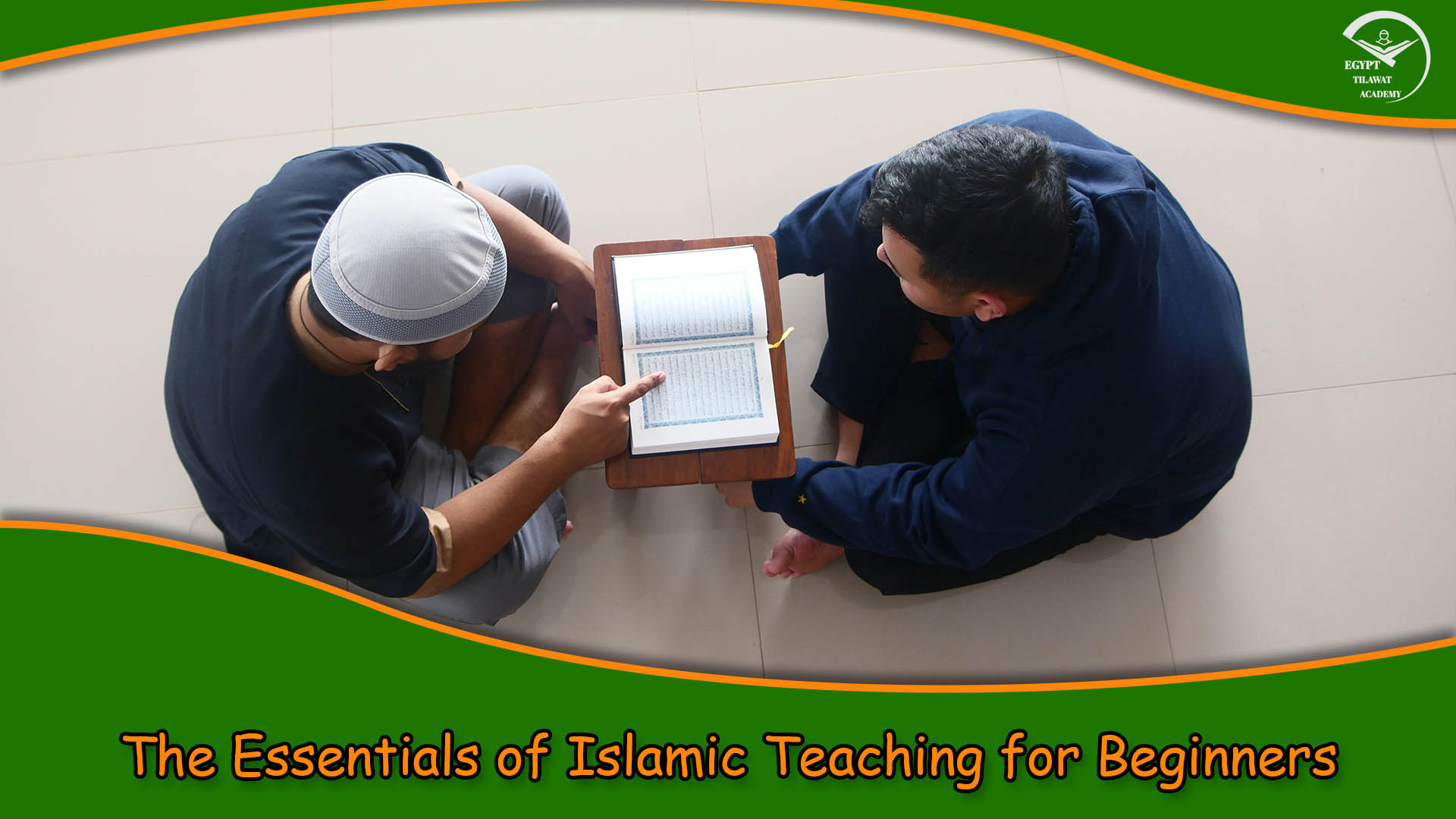
Children, teenagers, adults, new Muslims, and lifelong
learners can all study fiqh in Islam according to their level
of knowledge.
The key is to start with the basics and continue
learning step by step under qualified teachers.
Beginners usually start with simple topics such as
purification, daily prayer, fasting, and basic Islamic manners.
As their understanding grows, they move on to subjects
like family life, financial transactions, inheritance, and
other practical matters.
Students who wish to study at a deeper level can later
explore Islamic jurisprudence, usul al-fiqh,
legal reasoning, and the methods used by classical jurists to
derive rulings.
This gradual approach makes learning Islamic
fiqh easier and helps students build a strong foundation before
studying more advanced topics.
Learning from reliable scholars is very important.
The internet contains a large amount of information, but not all of it is
authentic.
A structured course taught by qualified teachers ensures that students
understand the rules of Islamic fiqh correctly and avoid
common misunderstandings.
This is why many families choose Egypt Tilawat Academy, a
leading platform for Quran and Islamic education.
The academy offers an easy and engaging learning experience for kids and
adults alike.
Students can register, study through different levels,
ask questions, and collect valuable knowledge with confidence.
By learning Islamic fiqh in a structured environment, every
Muslim can strengthen their faith, improve their worship, and gain a deeper
understanding of the religion throughout every stage of life.
How Does Islamic Fiqh Structure Daily Life?
Islamic fiqh provides practical guidance for every part
of a Muslim's daily life.
From the moment a person wakes up until they go to
sleep, fiqh in Islam helps them make choices that please Allah.
It teaches Muslims how to balance their spiritual duties
with their family, work, education, and social responsibilities.
This practical approach makes Islamic fiqh one of the
most valuable branches of Islamic jurisprudence.
One of the most important roles of Islamic fiqh is
organizing acts of worship.
It explains how to perform purification, daily prayers,
fasting during Ramadan, zakat, and Hajj according to the teachings of the
Qur'an and the Sunnah.
These rulings ensure that acts of worship are performed
correctly and sincerely.
At the same time, Islamic fiqh extends beyond worship to
guide personal behavior, family relationships, financial transactions, business
ethics, and community responsibilities.
Islamic fiqh teaches honesty in trade, fairness in
contracts, kindness within the family, and respect for the rights of others.
In this way, Islamic law governs both spiritual and
worldly matters with wisdom and balance.
The practices of the Islamic Prophet Muhammad (peace be
upon him) remain the perfect model for applying these principles.
His sayings, actions, and approvals demonstrate how
Islamic teachings should be practiced with mercy, justice, and compassion.
How to Learn Islamic Fiqh Step by Step
Learning Islamic fiqh is a rewarding journey that should
be approached gradually.
Beginners do not need to master every topic at once.
Instead, they should begin with the essentials and build their knowledge over
time.
A step-by-step approach makes learning easier and helps
students understand the wisdom behind each ruling.
The first step is to strengthen your connection with the
Qur'an and learn the authentic Sunnah of the Islamic Prophet Muhammad (peace be
upon him).
These are the primary foundations of Islamic jurisprudence.
Next, study the basic chapters of fiqh in Islam,
including purification, prayer, fasting, zakat, and everyday manners.
Once these topics are understood, students can move on
to marriage, business transactions, inheritance, and other detailed areas of
Islamic law.
Choosing a trusted educational institution also makes a
significant difference.
Egypt Tilawat Academy is a leading platform that offers
structured courses for children, adults, and beginners who want to learn about
the rules of Islamic fiqh.
Students can register easily, study through organized
levels, and learn from experienced teachers who explain complex topics in
simple language.
As students continue learning Islamic fiqh, they gain
confidence in their worship, improve their daily practices, and strengthen
their relationship with Allah.
Over time, this knowledge becomes a lifelong guide that
helps them make wise decisions according to the teachings of Islam.
Conclusion
Islamic fiqh is one of the most important sciences in
Islam because it explains how Muslims can apply the guidance of the Qur'an and
the Sunnah in everyday life.
It transforms the principles of Shariah into practical
rulings that cover worship, family life, business dealings, ethics, and social
responsibilities.
Through the dedicated efforts of great scholars, Islamic
fiqh has preserved authentic knowledge and helped Muslims practice their
religion with clarity and confidence for centuries.
Whether you are a beginner, a parent, or someone seeking
deeper Islamic knowledge, studying fiqh in Islam is a valuable investment.
If you are ready to begin your journey, Egypt Tilawat
Academy is a leading platform that provides high-quality online courses in
Islamic fiqh, Quran recitation, Tajweed, and Islamic studies.