learn Quran recitation online
Reciting the Quran well is a goal many Muslims carry for years without ever finding a clear, structured path to get there. Between conflicting advice, apps that promise quick results, and uncertainty about where to even start, it is easy to put off learning recitation properly. The truth is that recitation is a learnable skill with a fairly predictable path, as long as you follow it in the right order and with the right kind of support.
What Good Recitation Actually Involves
Recitation is more than reading Arabic script correctly. It includes accurate pronunciation of each letter, correct application of Tajweed rules, appropriate pacing, and eventually a natural rhythm and tone that comes with experience. Beginners often focus only on getting through the words, but slowing down to build accuracy first leads to much stronger recitation in the long run than rushing toward speed.
Step One: Master the Alphabet
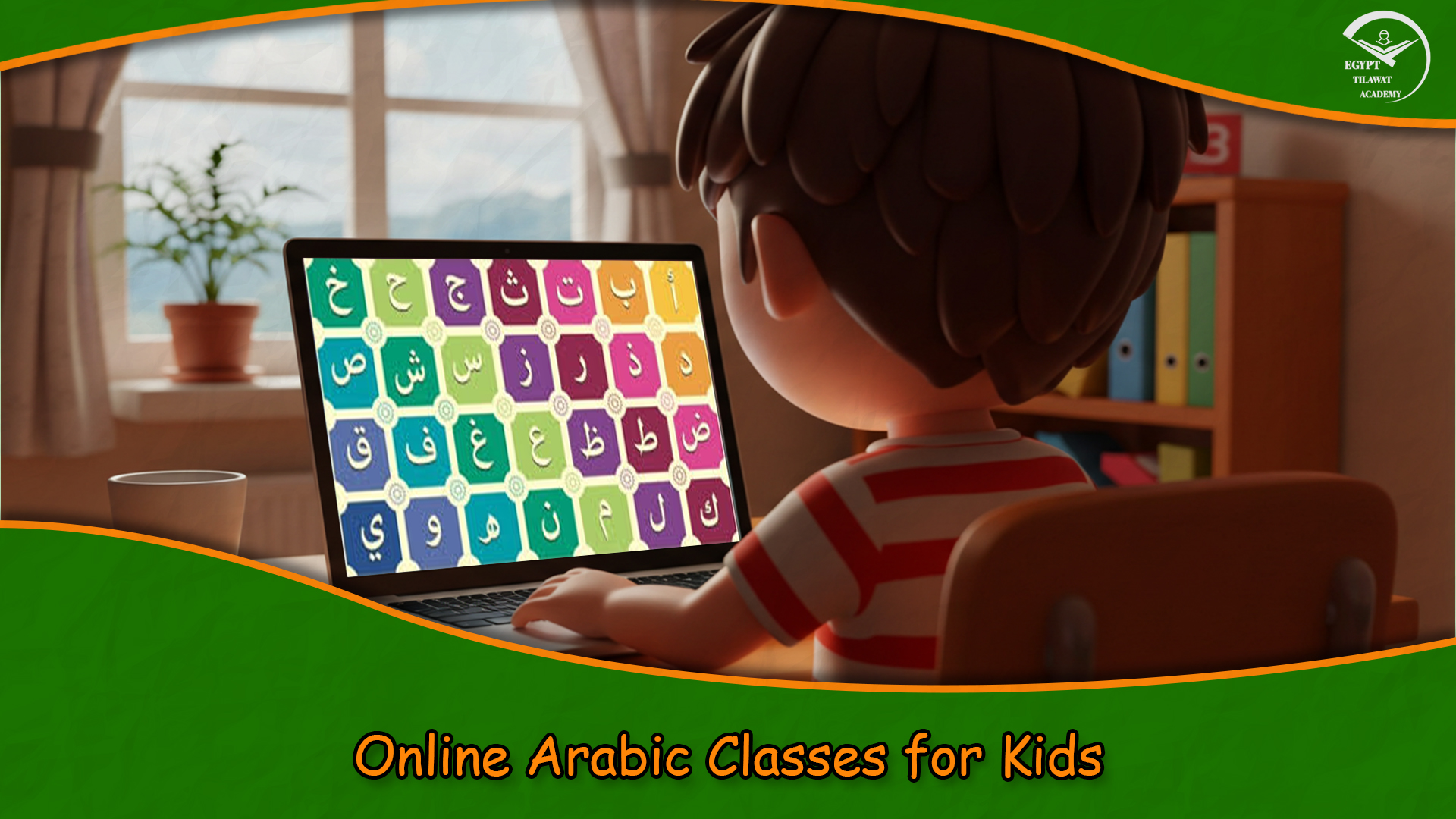
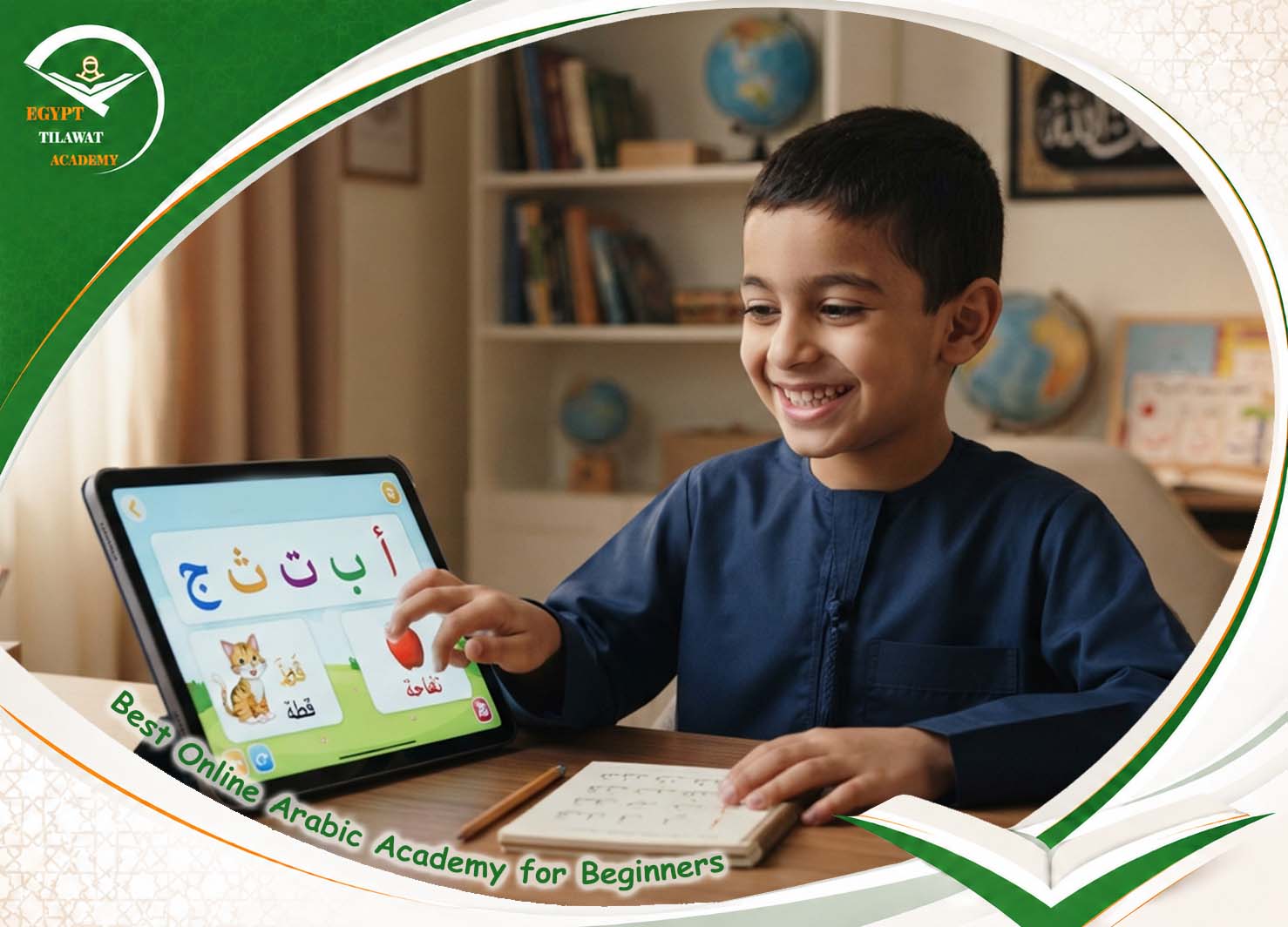
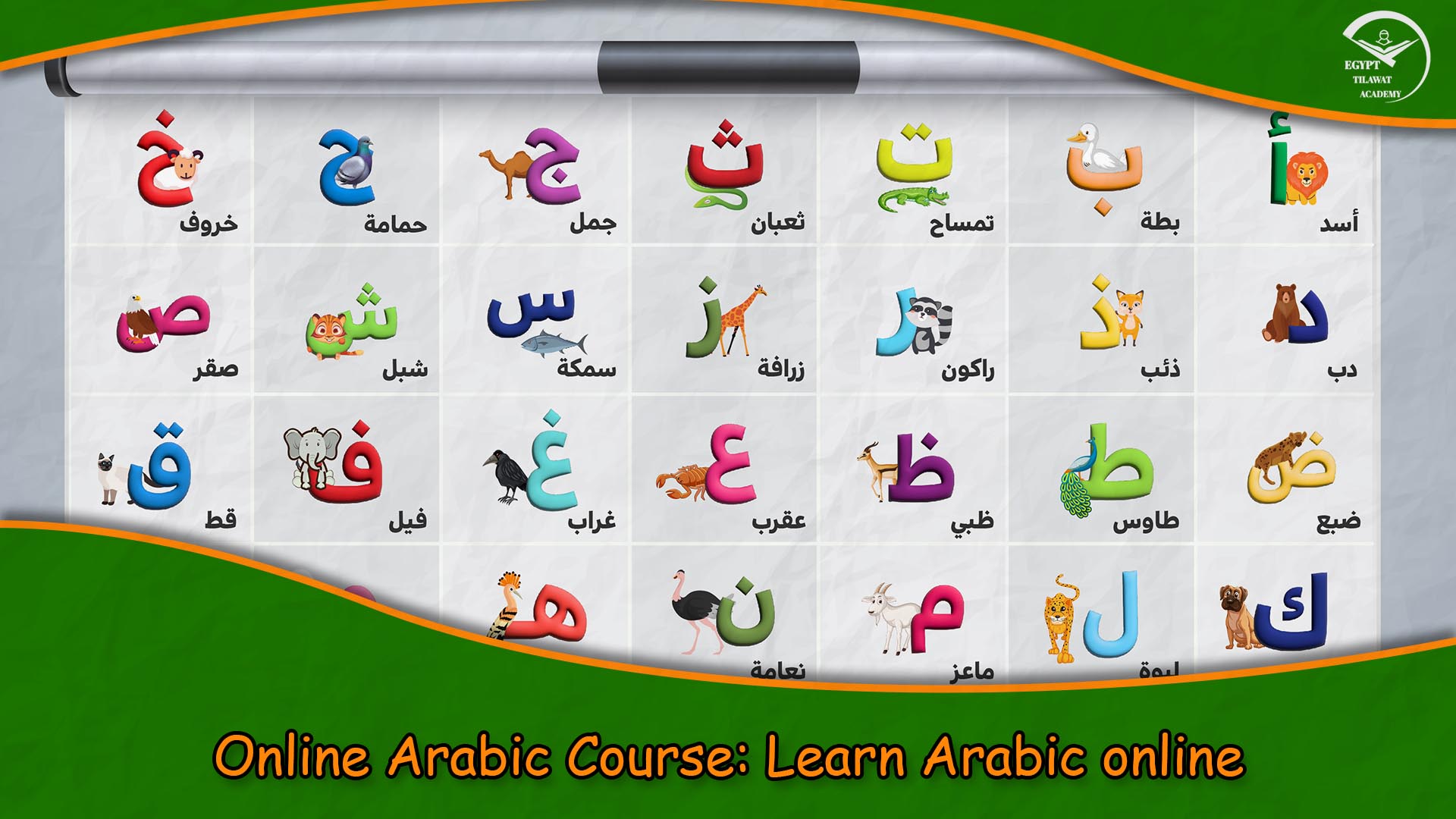
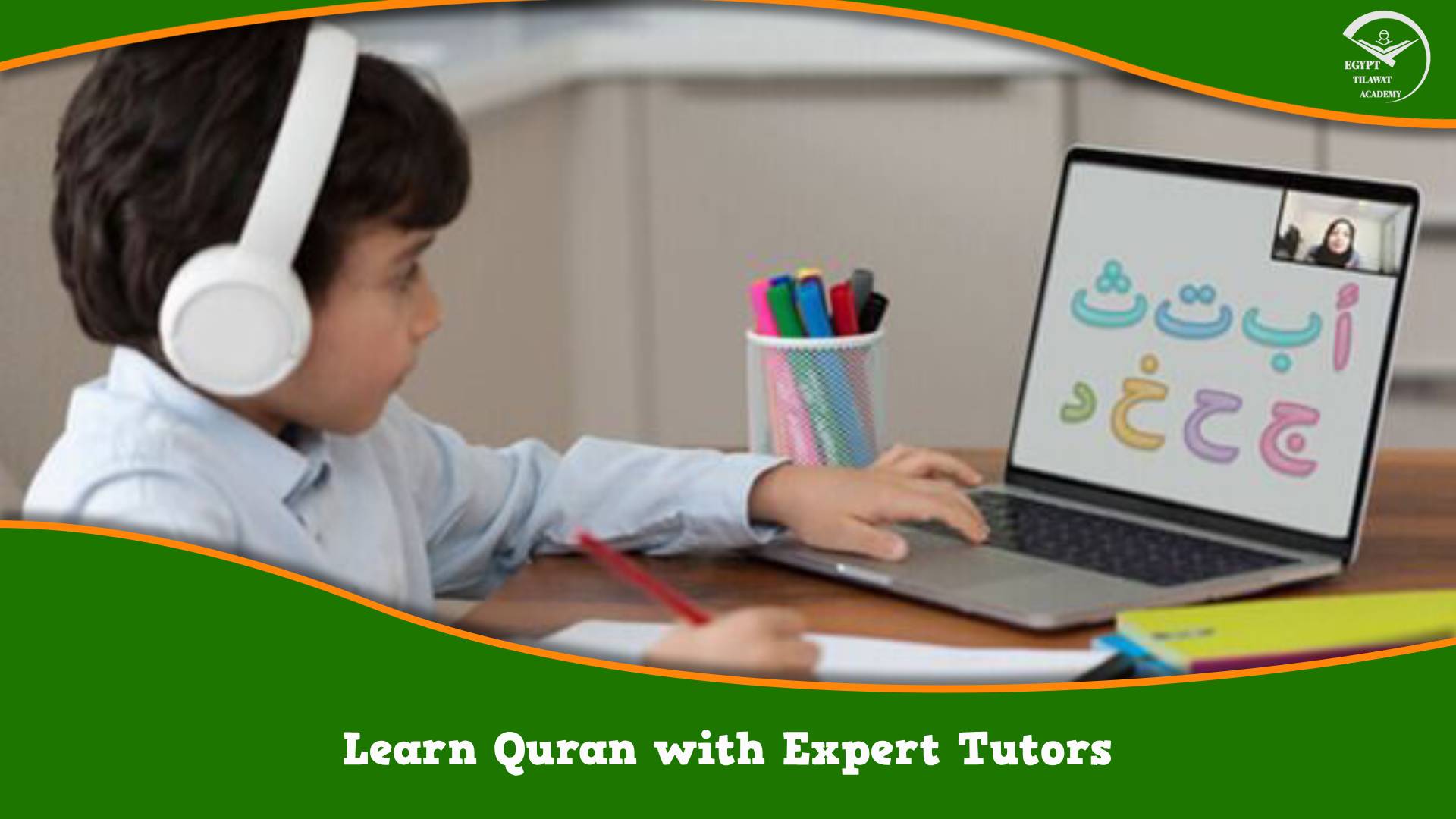
Before recitation can improve, the Arabic alphabet needs to be second nature. This means recognizing each letter instantly in all of its written forms, since letters change shape depending on their position in a word. Spending focused time here, even if it feels slow at first, saves far more time later than skipping ahead before this foundation is solid.
Step Two: Learn to Connect Letters Into Words
Once individual letters are familiar, the next stage is reading connected words smoothly rather than sounding out each letter separately. This is often where students get stuck, since connected Arabic script looks quite different from the isolated letter forms learned first. Practicing short, simple words repeatedly before moving to full verses makes this transition much smoother.
Step Three: Apply Tajweed Rules
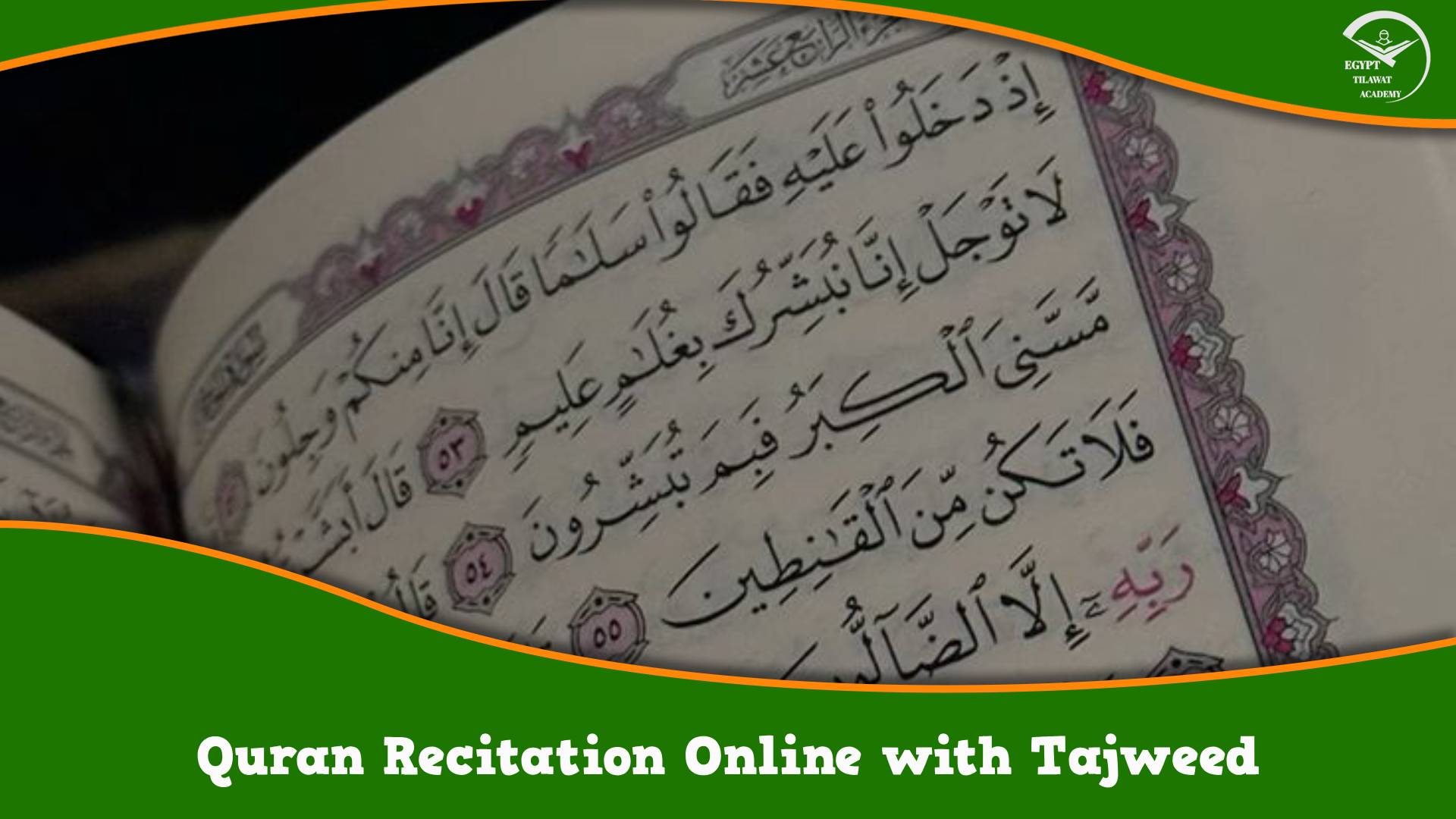
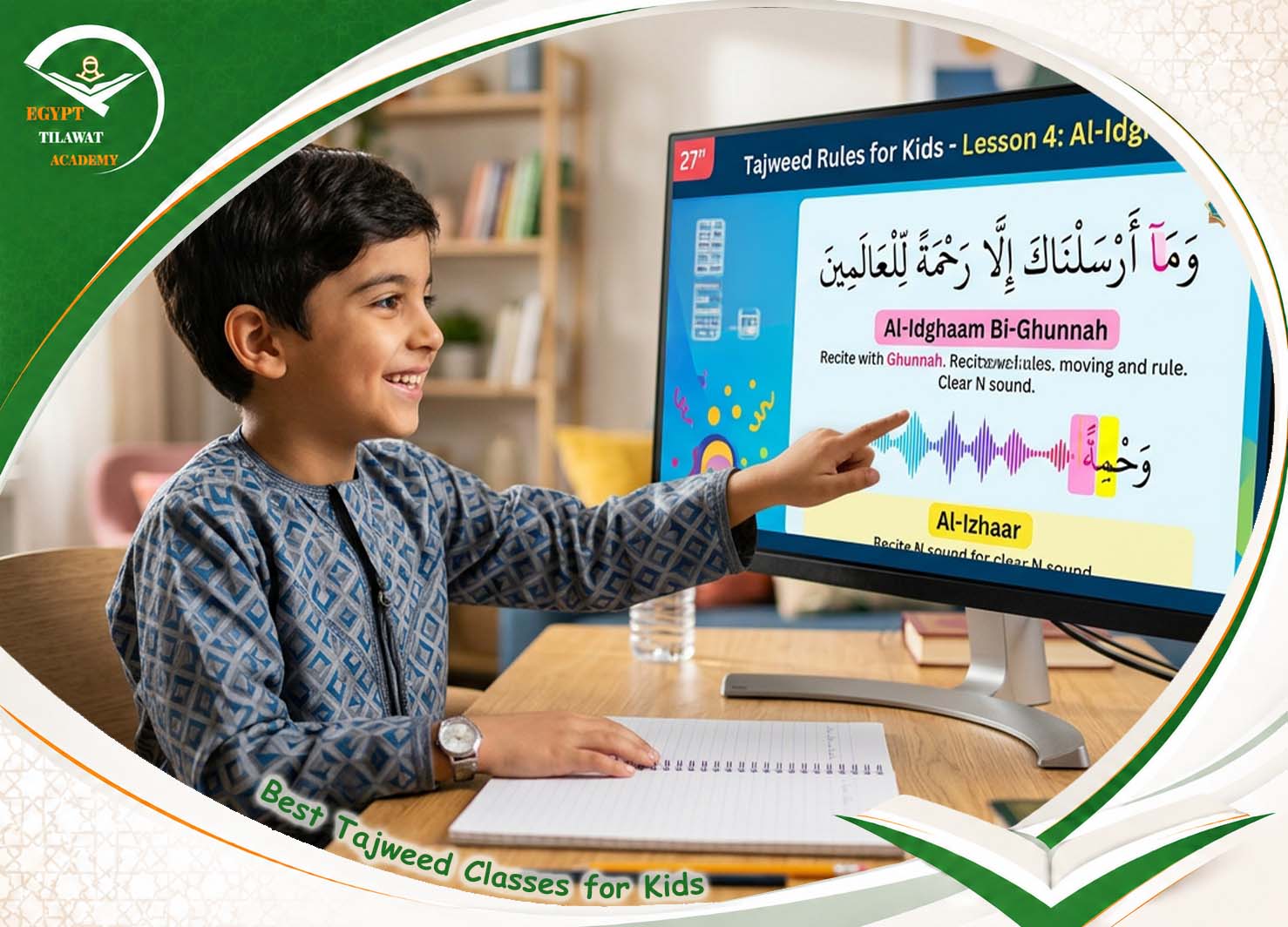
With reading fluency established, Tajweed rules start to matter. These govern precise pronunciation and include things like elongation, nasalization, and the correct heaviness or lightness of certain letters. Trying to learn Tajweed before basic reading fluency usually overwhelms students with too much at once. Our detailed article on learning Quran with correct Tajweed breaks this stage down rule by rule if you want a deeper look at exactly what is involved.
Step Four: Build Rhythm and Fluency
The final stage is less about new rules and more about practice and exposure. Listening to skilled reciters, reading longer passages regularly, and reciting out loud consistently all help develop the natural flow that distinguishes confident recitation from technically correct but choppy reading. This stage can take the longest, and that is completely normal.
Why a Teacher Makes Such a Big Difference
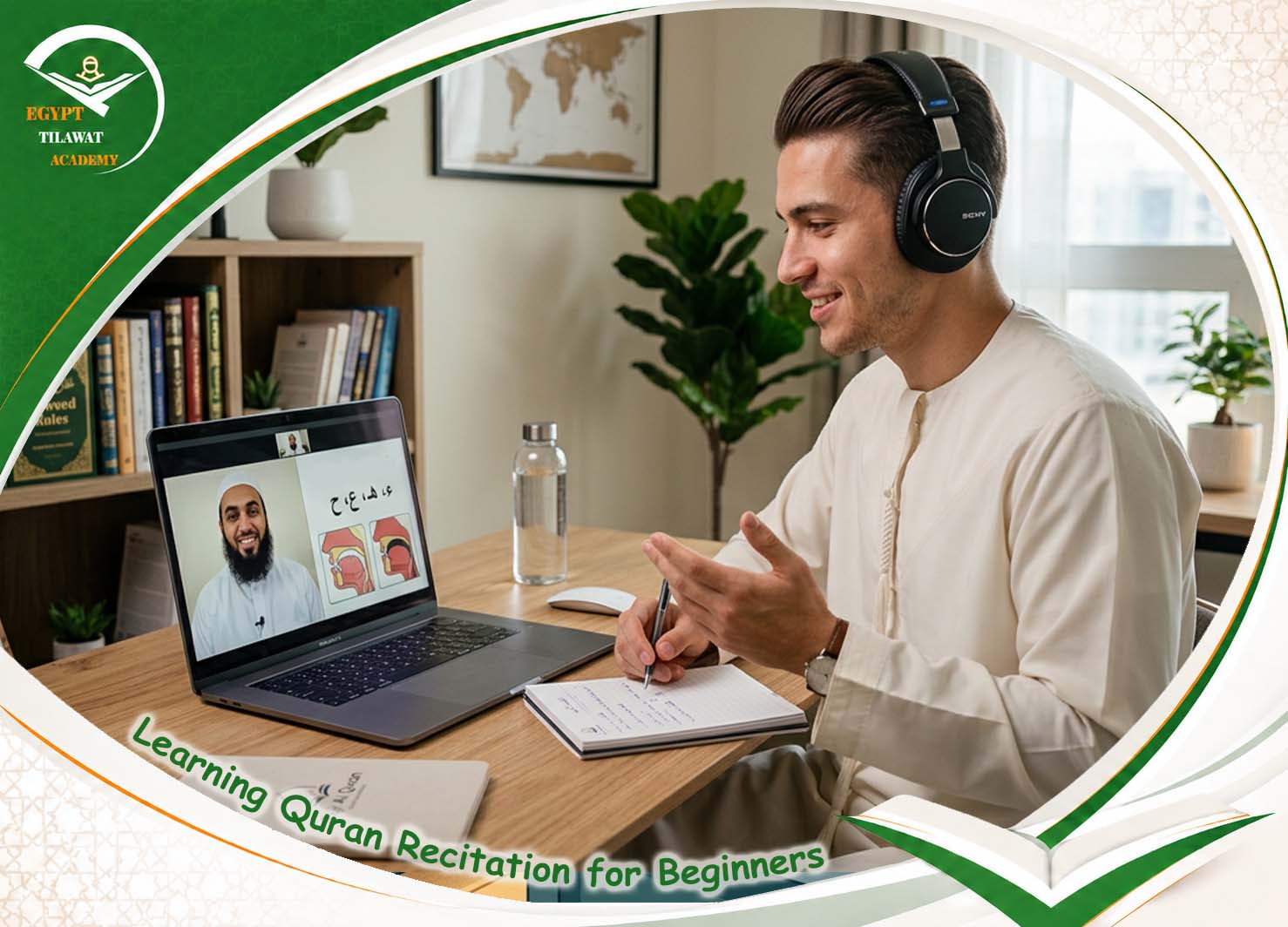
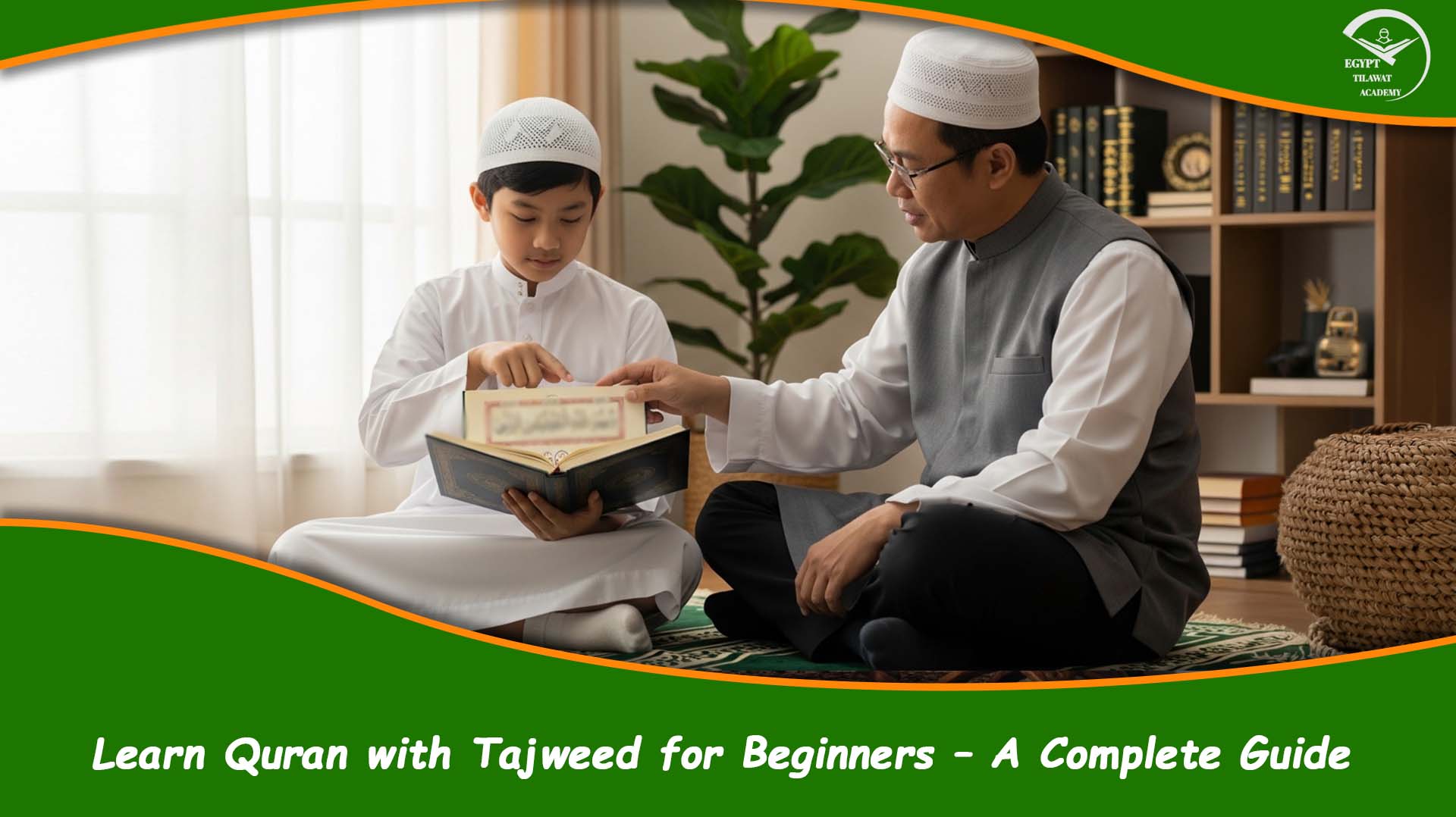
Recitation depends on sound, and sound is very hard to self-correct. A teacher listening in real time catches small pronunciation errors immediately, before they turn into ingrained habits. This is especially true for letters and sounds that do not exist in the learner's first language, where the ear often cannot detect its own mistakes without outside correction. A structured Quran reading course built around live, one-on-one sessions is designed specifically around this kind of ongoing correction.
Practicing Between Lessons
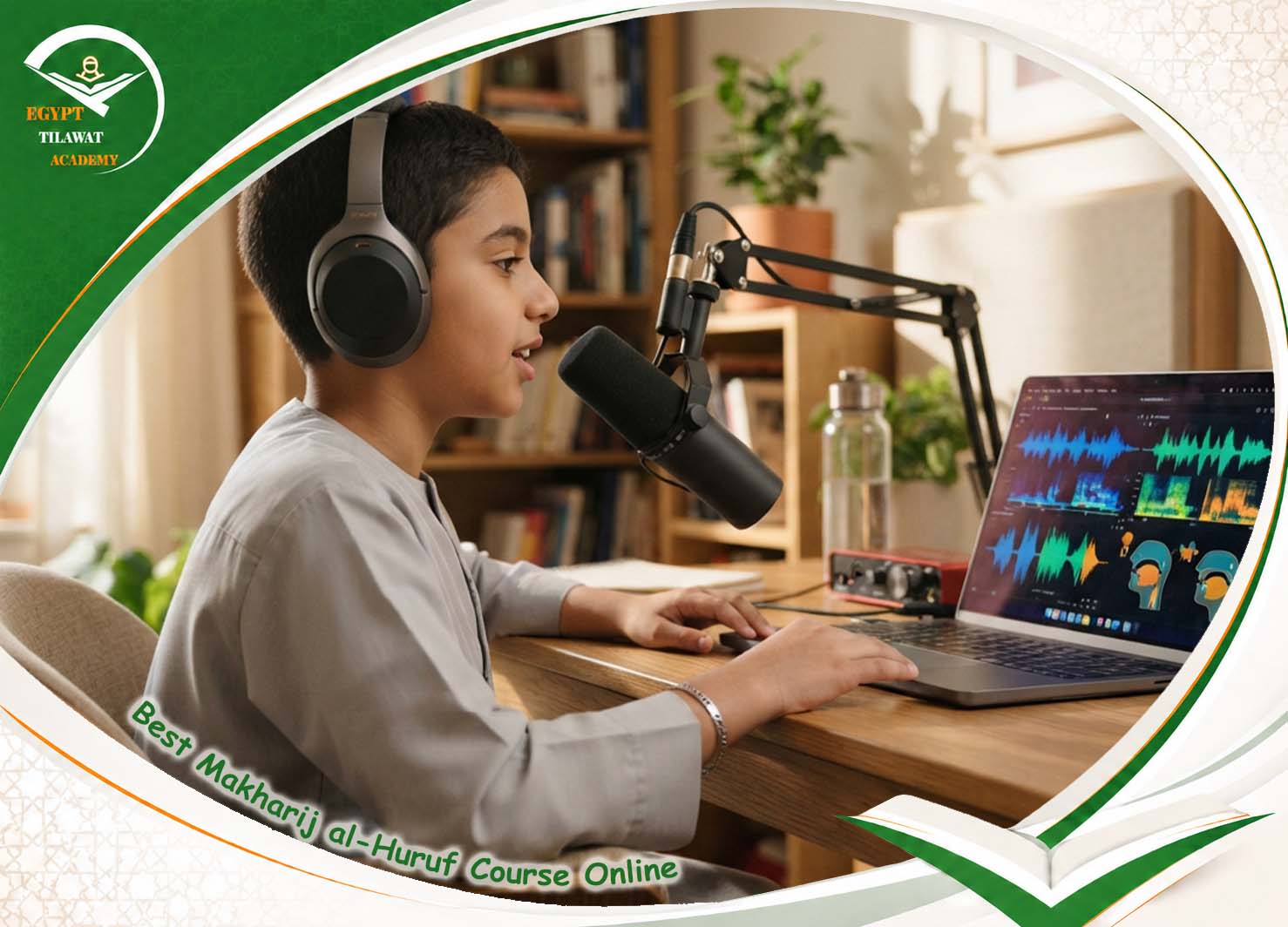
What you do between lessons matters almost as much as the lessons themselves. Reading the same short passage slowly and correctly several times, recording your own voice to review later, and listening to a clear, well paced reciter for reference all reinforce what a teacher covers in session. Avoid the temptation to jump ahead to new pages before the current ones feel solid, since rushing tends to create pronunciation habits that need correcting later.
How Online Recitation Classes Work
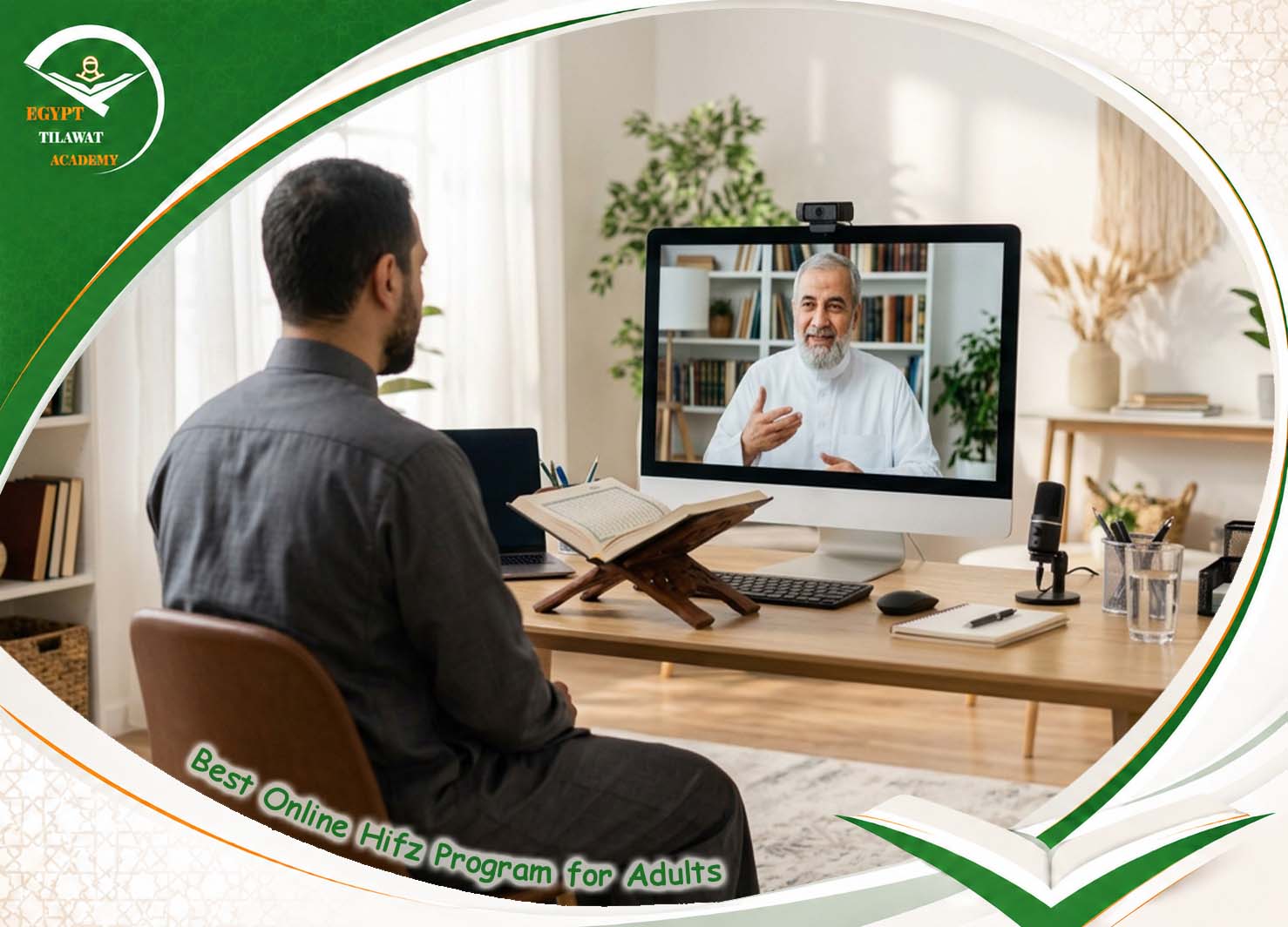
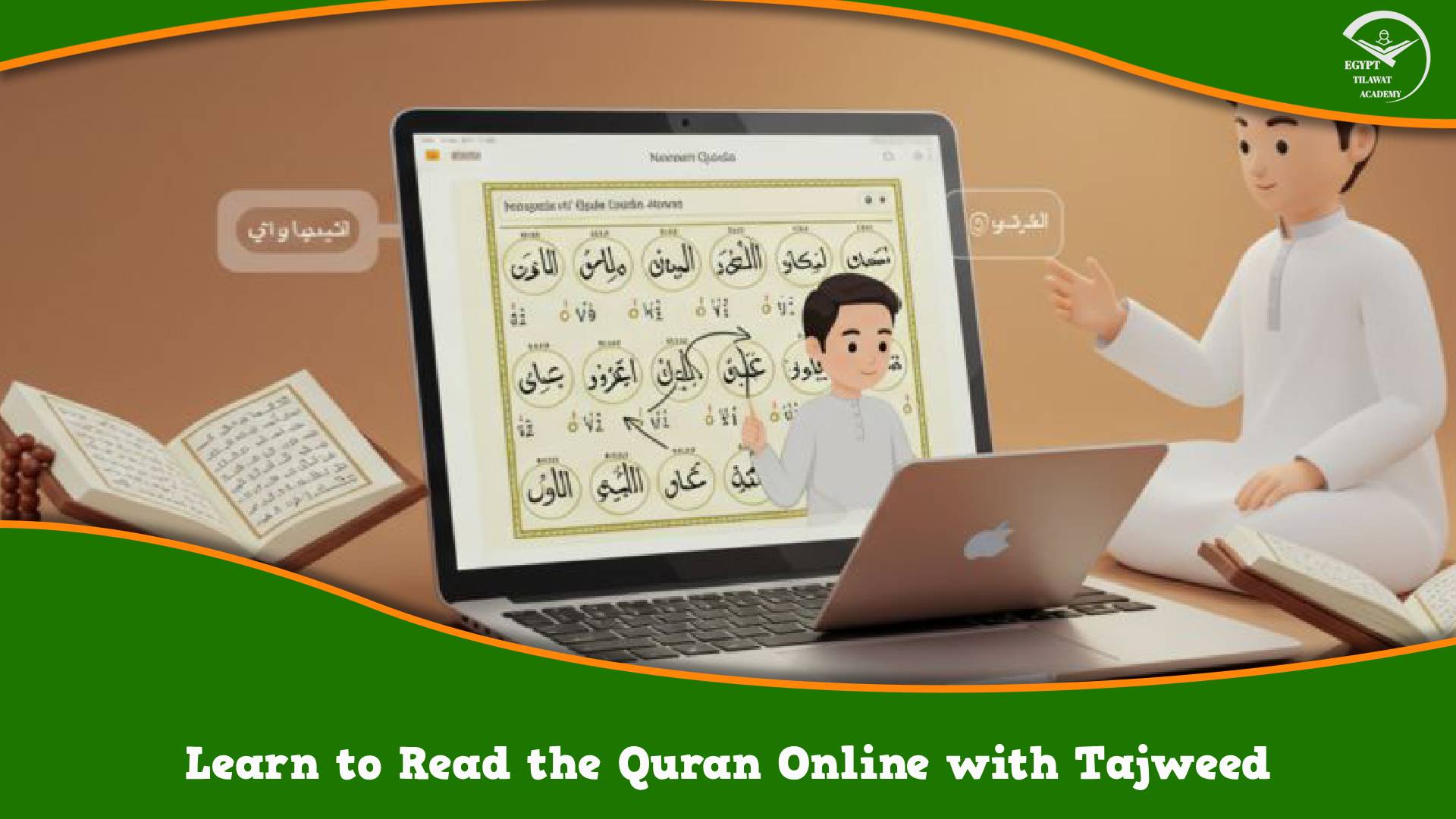
In a typical online setup, student and teacher connect by video call at a scheduled time. The student recites while the teacher listens closely and corrects mistakes as they happen, the same way an in-person lesson would work. Our broader guide on learning Quran online covers what to expect from a first class through to long term progress tracking, and it is a useful read if recitation is just one part of a wider learning goal that includes memorization or Tafseer as well.
Setting Realistic Expectations
Progress in recitation is gradual, and comparing your pace to someone who grew up hearing Arabic daily is not a fair comparison. What matters is steady, correct practice rather than speed. Most consistent students notice clear improvement within a couple of months and reach confident, accurate recitation within a year or so of regular lessons, though this varies based on prior exposure to Arabic and how many sessions per week the student attends.
Recitation and Memorization Together
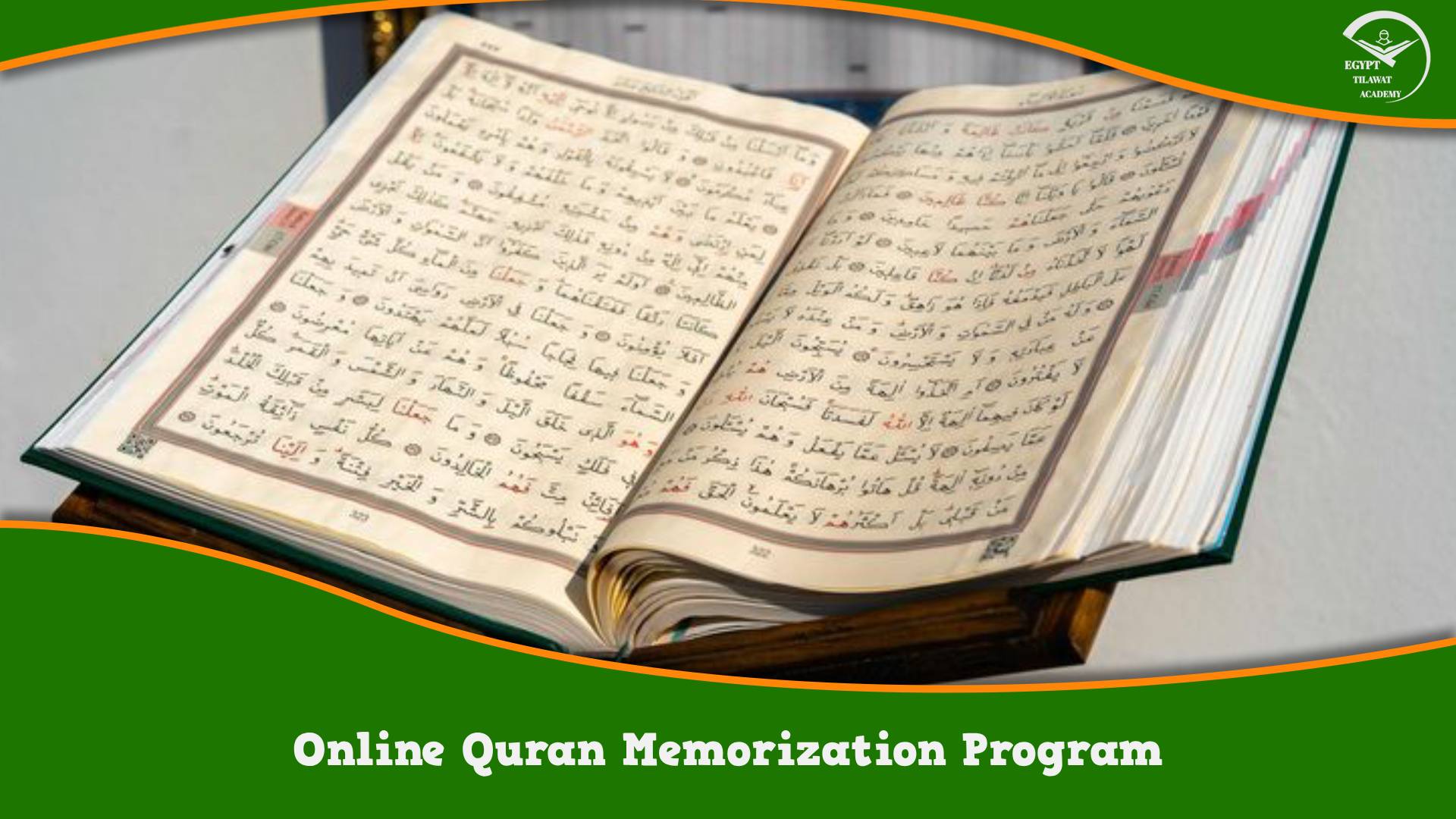
Many students eventually want to move from confident recitation into memorization. Doing so becomes much easier once recitation is already accurate, since you are memorizing correct pronunciation from the start rather than having to unlearn mistakes later. A structured Quran memorization program builds naturally on top of strong recitation skills, using the same accurate pronunciation habits as its foundation.
Common Obstacles and How to Handle Them
Inconsistent practice is the biggest obstacle most students face, usually caused by an unrealistic schedule set at the very beginning. Starting with a smaller, sustainable commitment, even just fifteen minutes most days, tends to produce better long term results than an ambitious plan that gets abandoned within weeks. Feeling discouraged by slow progress is another common obstacle, and it helps to remember that recitation is a long term skill built in small increments rather than sudden leaps.
Getting Started
If you are ready to begin, the most important first step is finding a qualified teacher who can assess your current level honestly and build a realistic plan around it. From there, consistency and patience matter far more than natural talent or speed. With the right structure and steady practice, confident, correct recitation is a genuinely achievable goal.
Frequently Asked Questions
How long does it take to recite fluently? Most consistent students see noticeable improvement within two to three months and reach confident fluency within a year, though this depends on prior exposure to Arabic and how often lessons are attended.
Do I need to learn Tajweed before I can recite at all? Basic reading fluency comes first, followed by Tajweed rules layered on gradually. You can recite in a simple way before Tajweed is mastered, but accurate Tajweed is necessary for correct, complete recitation.
Can adults with no prior Arabic background learn recitation? Yes, many adult students start with zero Arabic reading experience and reach strong recitation skills within a year or two of consistent, structured lessons.
Is one-on-one instruction necessary, or can group classes work? Group classes can work for revision, but one-on-one instruction is significantly more effective for building correct pronunciation habits in the first place, since the teacher can give full attention to each individual mistake.
Recitation for Children vs Adults
Children usually pick up rhythm and sound patterns quickly through repetition and games, while adults tend to benefit more from clear explanations of why a rule works the way it does. Neither group has an inherent advantage in reaching strong recitation, they simply respond better to slightly different teaching approaches, and an experienced teacher will naturally adjust for the student in front of them rather than using one fixed method for everyone.
The Role of Listening in Recitation Practice
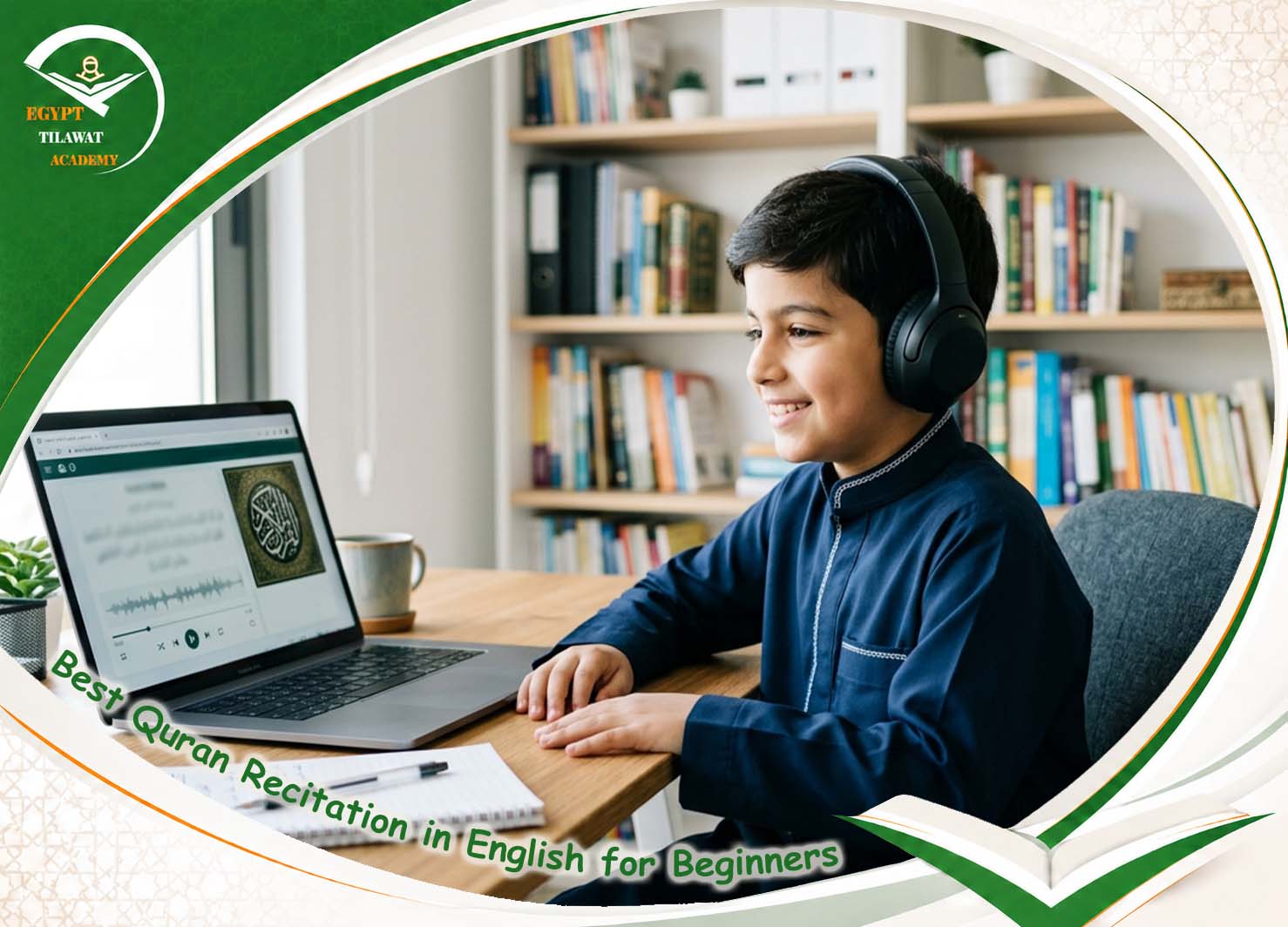
Reading practice alone only covers half of what makes recitation strong. Regularly listening to a clear, well paced reciter trains your ear to recognize correct sounds, pacing, and rhythm, which then carries over into your own recitation naturally over time. Choosing one or two reciters to listen to consistently, rather than switching between many different styles, tends to help beginners build a steadier internal sense of correct pronunciation.
Signs You Are Ready to Move Faster
Some students progress through the early stages faster than others, particularly those with prior exposure to Arabic sounds through family or community settings. A good indicator that you are ready to move to new material is being able to recite the current passage smoothly, without hesitation, and with correct Tajweed applied consistently rather than only some of the time. A teacher tracking your sessions closely will usually flag this transition point rather than leaving it to guesswork.
How Often Should You Recite Out Loud?
Daily practice, even in short ten to fifteen minute sessions, produces steadier progress than longer sessions spaced further apart. Recitation relies on muscle memory in the mouth and tongue as much as mental recall, and that kind of memory fades faster without regular use. Pairing short daily practice with two or three longer weekly sessions with a teacher tends to give the best balance between independent repetition and expert correction.
Ultimately, the students who improve fastest are rarely the ones with the most natural talent. They are the ones who show up consistently, accept correction without frustration, and trust that steady, patient practice adds up over months into recitation they can genuinely be proud of.
What equipment do I need for online recitation classes? A stable internet connection, a quiet room, and a copy of the Quran are usually enough to get started, with a notebook helpful for tracking corrections between sessions.
Small, steady steps like this are what turn an initial goal into lasting, confident recitation over time.