Best Islamic Studies Classes Online
Islamic studies classes Online cover core subjects such as Qur'anic exegesis
(Tafsir), Hadith studies, Islamic theology ('Ilm al-Kalām), and the history of
Islamic legislation.
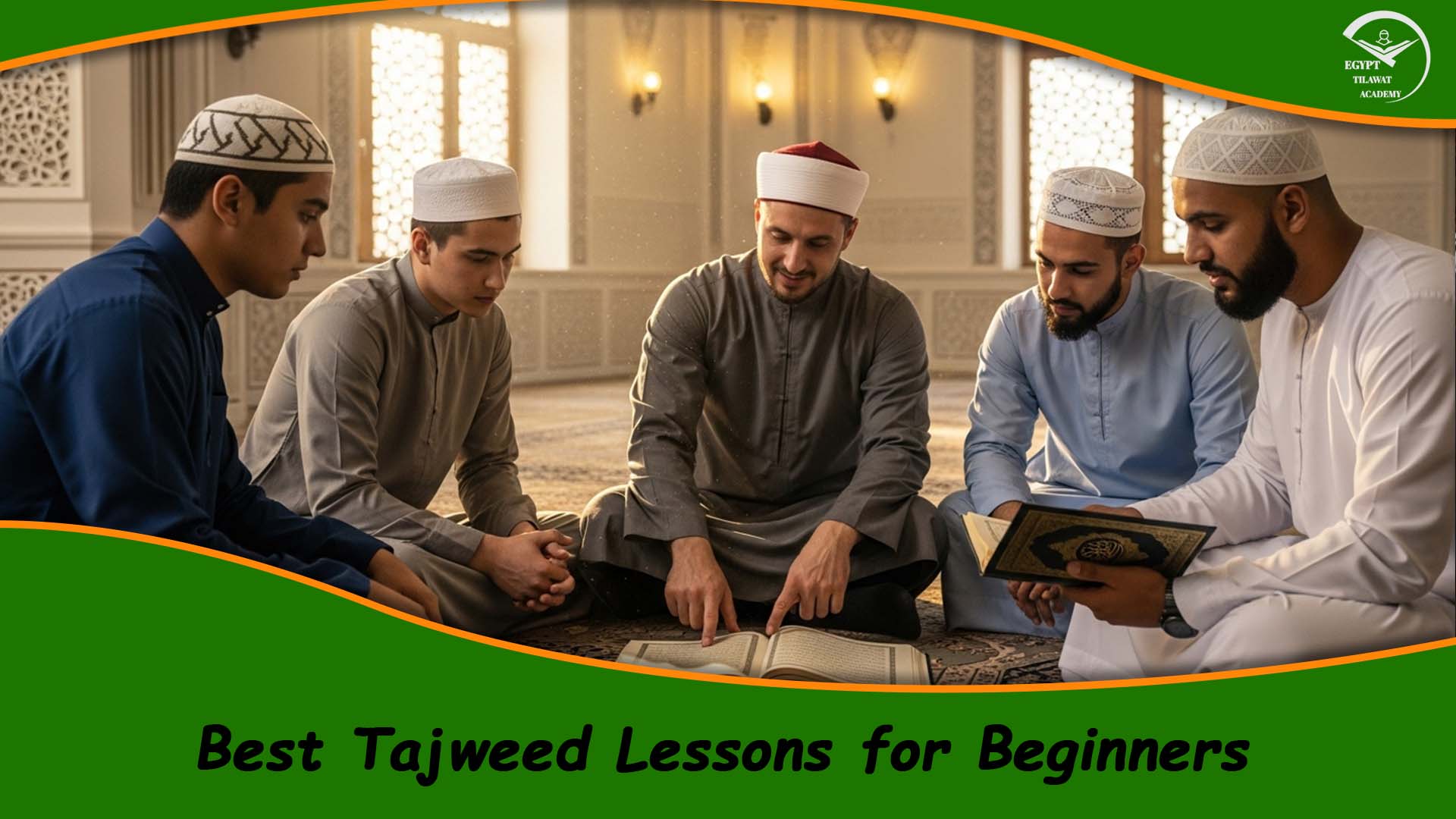
Prominent Egypt Tilawat Academy provides accessible classes covering Quran studies, Arabic, Tajweed, Ijazah, Aqeedah (creed), and Fiqh (jurisprudence).
These courses are accessible globally, allowing learners to deepen their
understanding of Islamic principles, beliefs, and teachings at their own pace.
Many programs are low-cost, making Islamic education more inclusive.
Islamic knowledge is more than learning facts about religion. It helps
Muslims understand their faith, improve their character, and live according to
the teachings of Islam.
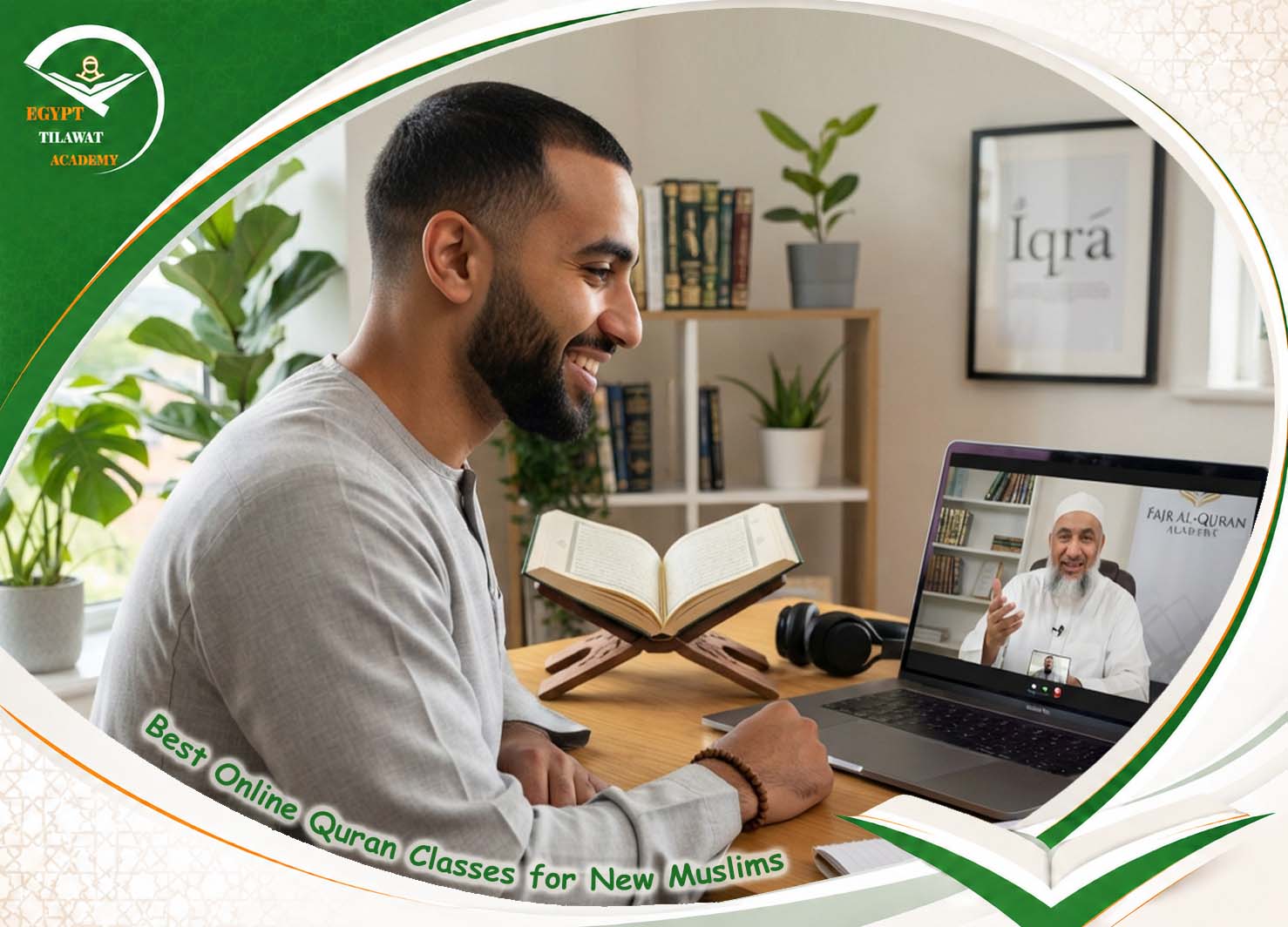
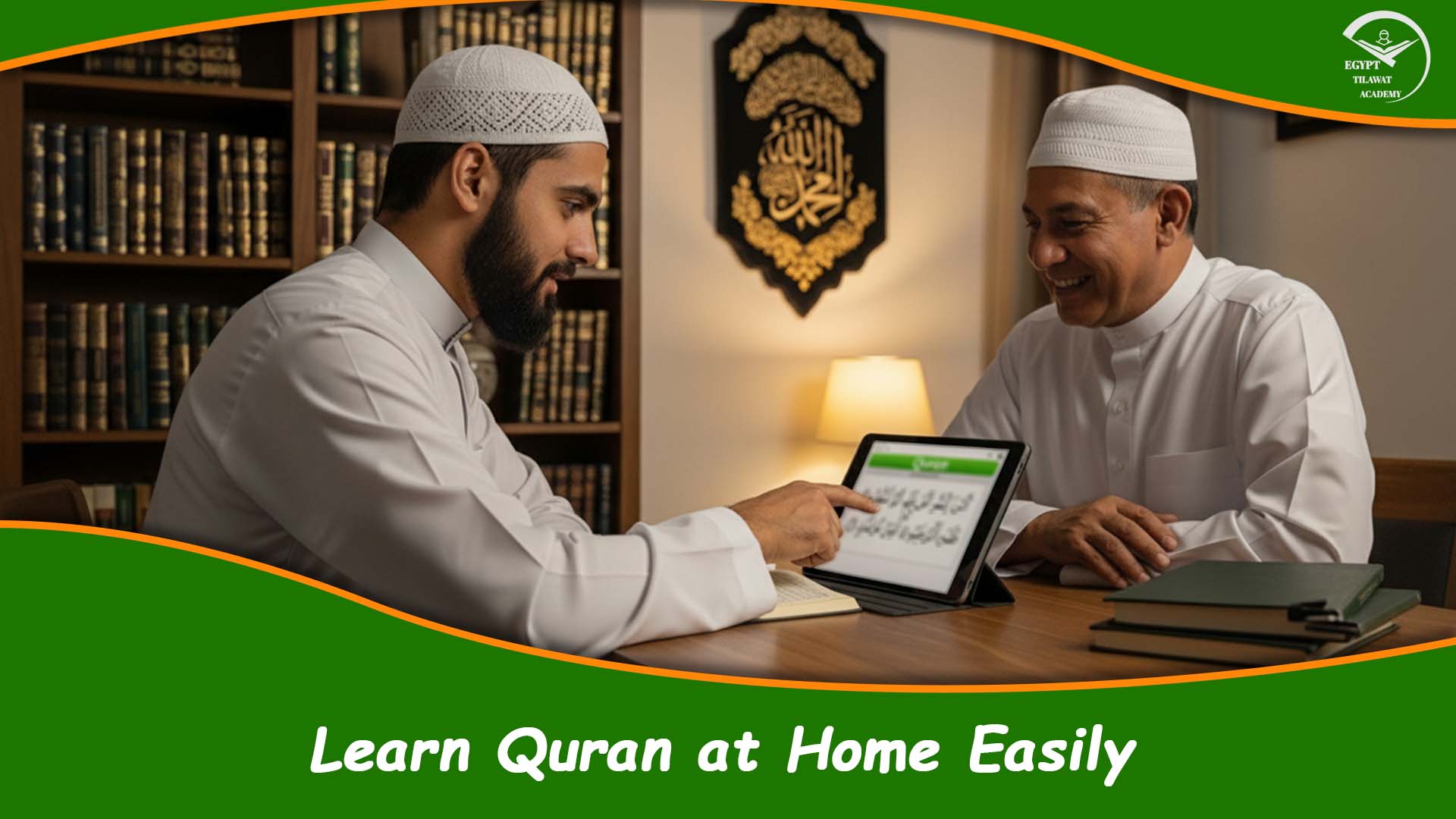
Students can access quality Islamic studies classes from home through
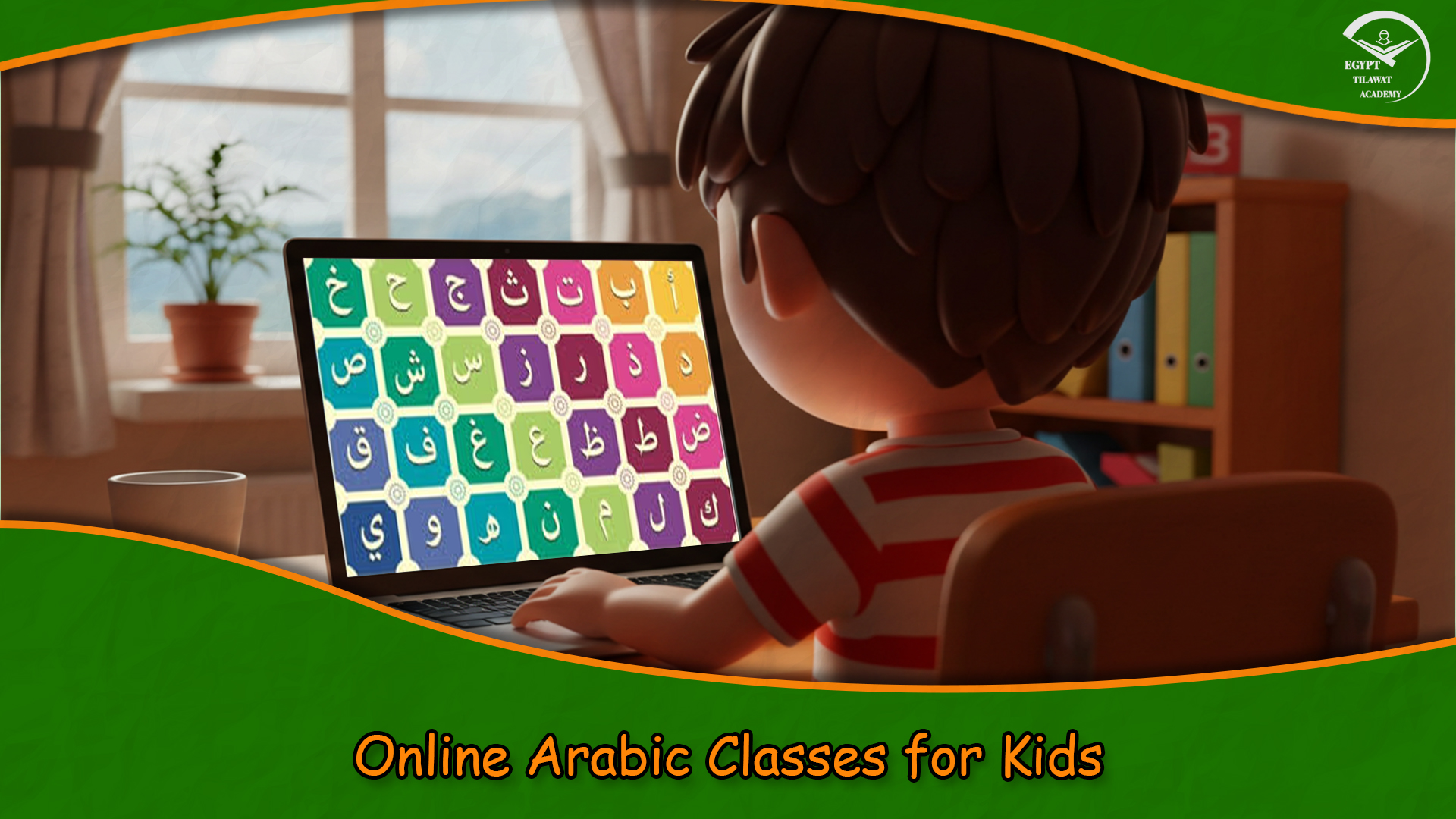
flexible online programs. This makes learning easier for children, beginners,
teenagers, and adults.
The best Islamic studies classes online combine Quran, Hadith, Fiqh, Seerah,
Islamic history, Arabic language, and essential religious knowledge.
Lessons are designed according to the learner’s age, level, goals, and
learning pace.
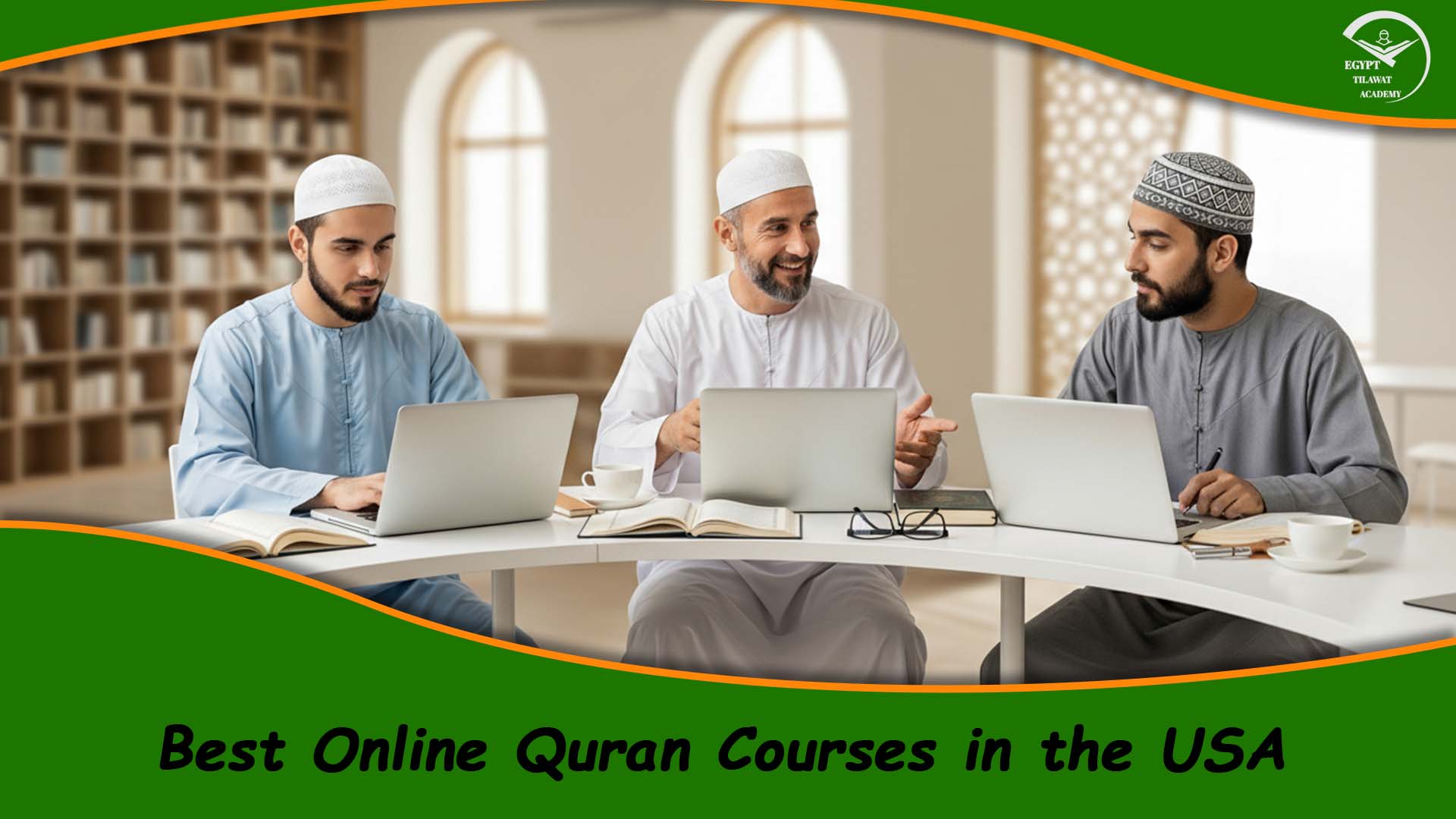
Students can study in English or Arabic and learn from qualified teachers
without traveling to a traditional institution.
This guide explains what to expect from Islamic studies classes, what
subjects you can learn, and how to choose a suitable online program for your
needs.
What Are Online Islamic Studies Classes?
Islamic studies classes are structured lessons that teach
students about the Quran, Sunnah, Hadith, Fiqh, Seerah, Islamic history,
Islamic manners, and other areas of Muslim education.
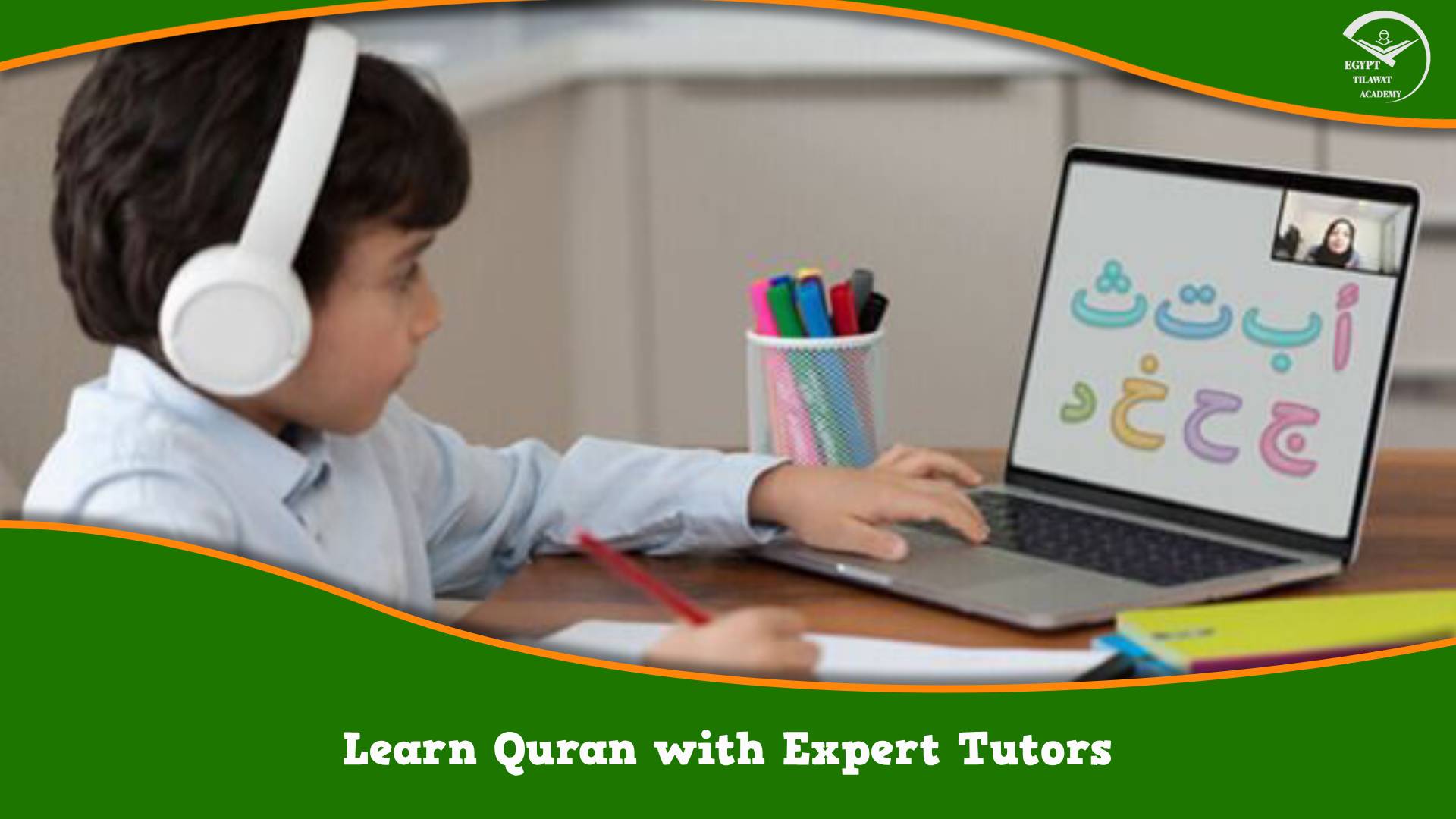
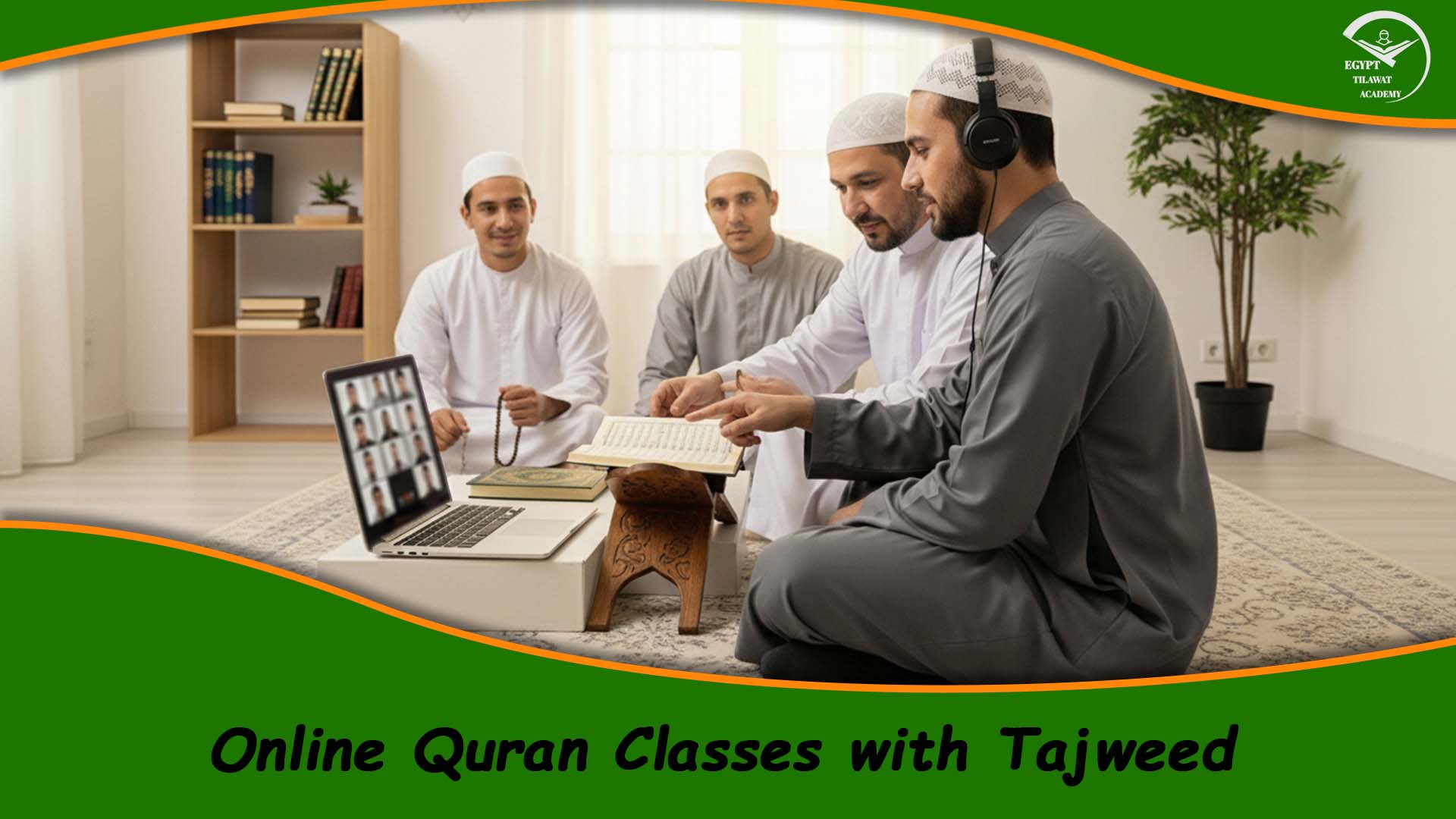
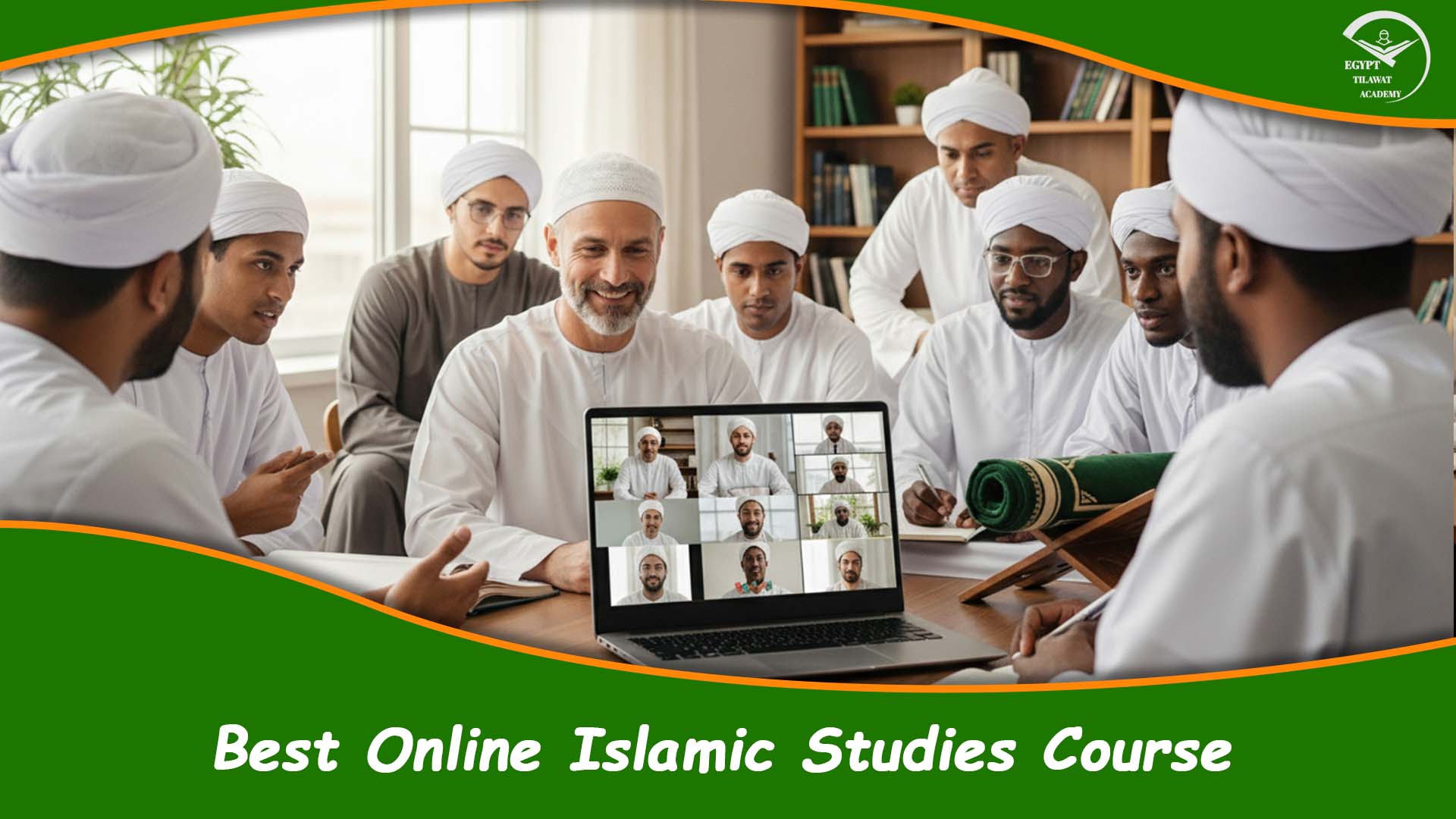
Online lessons deliver this knowledge through live virtual classrooms or organized
digital courses.
Unlike general religious studies, a well-designed Islamic program follows a
clear curriculum.
Students move from basic concepts to more advanced topics as their knowledge
develops.
Beginners may start with the pillars of Islam, basic beliefs, worship, and
Islamic manners.
More advanced students may explore classical Islamic scholarship, legal
traditions, Hadith sciences, Arabic language, and Islamic philosophy.
The major advantage of online Islamic studies classes is
accessibility.
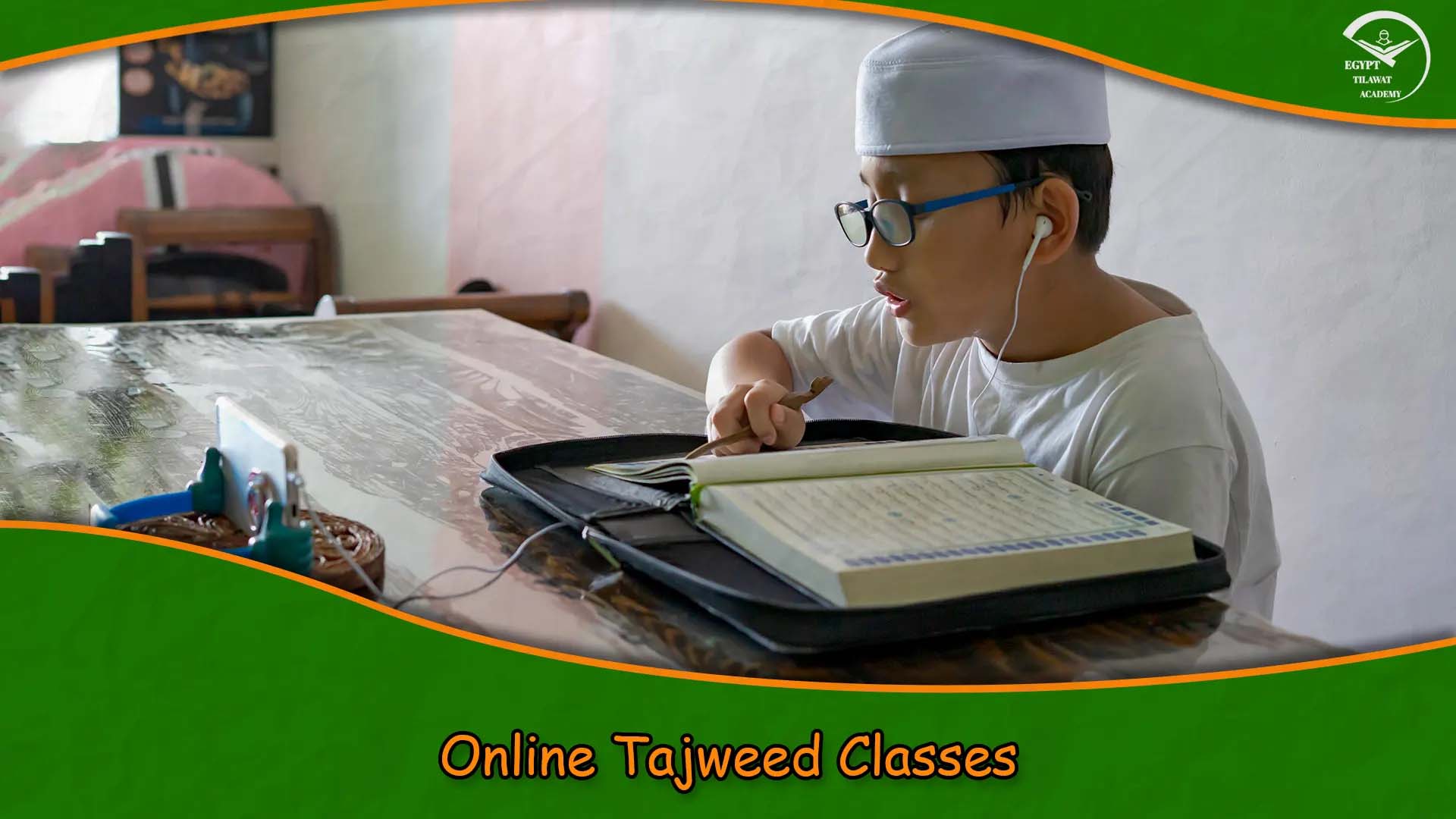
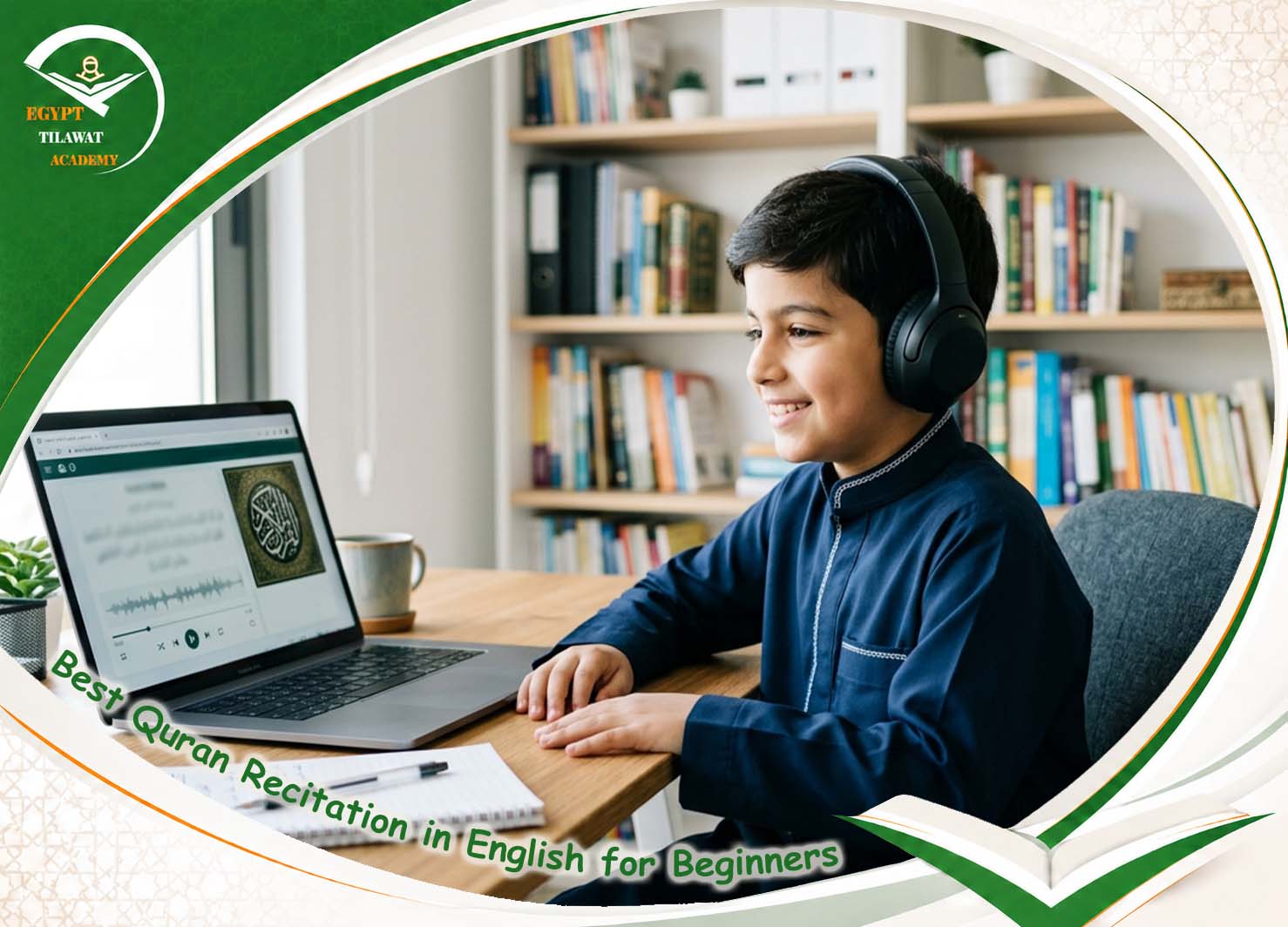
Students can learn from home using a computer, tablet, or smartphone.
They can also choose lessons in English or Arabic, depending on their needs.
A strong program should focus on authentic sources and present Islamic
knowledge responsibly.
Qualified teachers should explain difficult subjects in language that
students can understand.
They should also encourage questions and discussion.
Many Islamic studies classes are suitable for different age
groups.
Some are designed for children, while others focus on adults, beginners,
university students, or learners seeking more advanced academic education.
This flexibility makes online Islamic education useful for families and
individuals with different goals.
Benefits of Taking Islamic Studies Classes Online
One of the biggest advantages of Islamic studies classes
online is convenience.
Students do not need to travel to a physical classroom.
They can learn from home and organize their study time around school, work,
or family commitments.
Online education also gives learners access to teachers from different
backgrounds.
A student living far from an Islamic institution can connect with qualified
instructors through virtual lessons.
This can be especially valuable for Muslims living in areas where
traditional Islamic education is limited.
Another important benefit is personalized learning.
Good Islamic studies classes allow teachers to adjust
explanations according to the student’s level.
A child needs a different teaching approach from an adult beginner.
Online programs can accommodate these differences.
Key benefits include:
- Flexible lesson schedules.
- Learning from home.
- Courses for different ages and levels.
- Individual or small-group instruction.
- English and Arabic learning options.
- Access to Quran, Hadith, Fiqh, and Seerah subjects.
- Regular teacher feedback.
- A structured learning program.
Online learning can also support long-term development.
Students can build knowledge gradually instead of trying to study everything
at once.
Regular Islamic studies classes can help learners create a
consistent habit of religious education.
For parents, online programs may also make Islamic education easier to
manage.
Children can attend lessons after school without spending extra time
traveling.
Adults can study during evenings or weekends.
Most importantly, online Islamic education can bring religious learning into
everyday life.
With the right teacher and curriculum, students can develop both knowledge
and practical understanding.
What Do You Learn in an Online Islamic Studies Course?
A comprehensive online Islamic studies course can cover many subjects.
The exact curriculum depends on the learner’s age and level.
Beginners usually start with fundamental Islamic beliefs and practices.
Advanced students may explore classical Islamic scholarship in greater
depth.
Quran education is often a central part of Islamic studies classes.
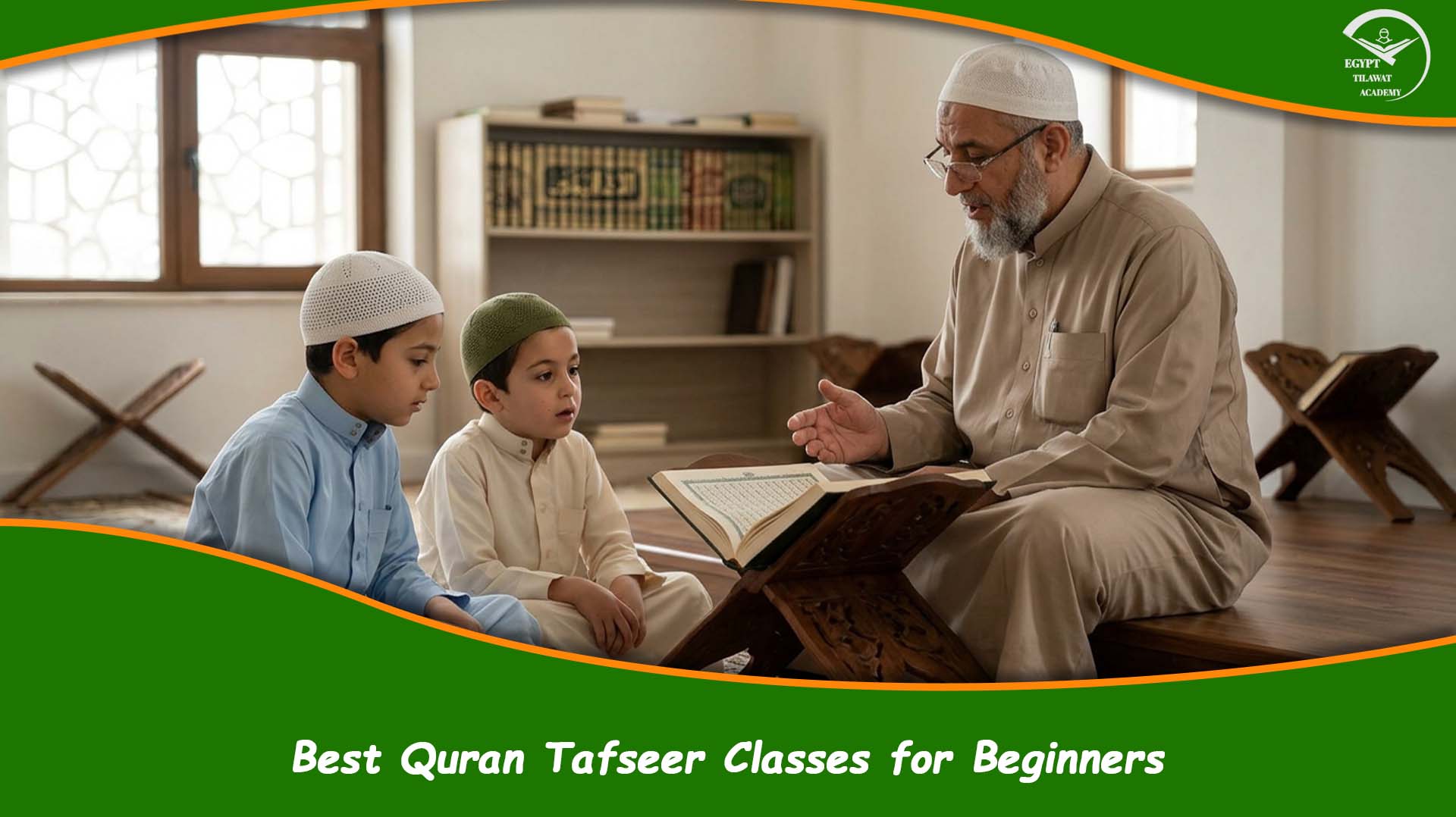
Students may learn Quran reading, basic Tafsir, meanings of selected verses,
and lessons from the Quran.
Hadith is another important subject.
Students can learn about authentic narrations and understand how Hadith
guides Muslim beliefs and actions.
Fiqh introduces students to Islamic legal principles and practical worship.
Lessons may discuss prayer, fasting, charity, purification, family matters,
and everyday Islamic responsibilities.
A strong course may also include:
- Aqeedah and Islamic beliefs.
- Seerah of Prophet Muhammad ﷺ.
- Islamic history.
- Hadith studies.
- Fiqh and Islamic legal traditions.
- Quran and Tafsir.
- Arabic language.
- Islamic manners and character.
- Classical Islamic scholarship.
- Islamic civilization and philosophy.
Some Islamic studies classes also introduce students to the
history of Muslim scholarship.
This may include the development of academic traditions, classical texts,
and major Islamic institutions.
For learners interested in formal education, certain programs may provide
preparation for further study at an Islamic university or academic institution.
However, students seeking a bachelor’s degree or another formal degree
should check the institution’s accreditation and academic requirements
separately.
The goal should not be memorization alone.
Effective Islamic studies classes help students connect
knowledge with real life.
They encourage understanding, reflection, good character, and responsible
practice.
Key Features of the Best Islamic Studies Classes Online
The best Islamic studies classes are built around quality
teaching rather than simply offering many courses.
A strong program should have qualified instructors, an organized curriculum,
appropriate learning materials, and clear educational goals.
Teacher quality is especially important.
Islamic education requires knowledge, patience, communication skills, and responsibility.
Teachers should explain religious subjects accurately and avoid confusing
students with unnecessary complexity.
A structured curriculum is another essential feature.
Students should know what they are learning and why.
Lessons should follow a logical sequence.
Beginners should not be pushed into advanced classical texts before
understanding the basics.
The best Islamic studies classes online should also provide
age-appropriate teaching.
Children need engaging explanations and activities.
Adults may prefer deeper discussion and practical examples.
Students who already have an academic background may want more advanced
material.
Look for programs that offer:
- Qualified Islamic teachers.
- Clear course objectives.
- Structured learning levels.
- Live online lessons.
- Flexible schedules.
- Progress monitoring.
- Suitable materials.
- English or Arabic instruction.
- Courses for children and adults.
- Opportunities to ask questions.
Interactive communication can also improve the experience.
Students learn better when they can communicate with their teacher rather
than simply watch recorded content.
A reliable program should explain its teaching approach clearly.
It should also respect the seriousness of religious education.
The strongest Islamic studies classes create an environment
where students feel comfortable learning, asking questions, and developing
their knowledge step by step.
Learn Quran and Hadith with Expert Islamic Teachers
The Quran and Hadith form the foundation of Islamic learning.
Understanding them correctly requires more than reading translations.
Students benefit from teachers who can explain context, meanings,
terminology, and practical lessons.
Quality Islamic studies classes introduce learners to
Quranic teachings in a clear and accessible way.
Beginners can learn selected Surahs and basic meanings.
Children can explore Quranic stories and moral lessons.
Adults may study Tafsir and related subjects at a deeper level.
Hadith education is equally important.
Students can learn what Hadith means, why it matters, and how scholars
preserved and evaluated narrations.
Teachers can introduce suitable collections according to the student’s
level.
Expert teachers can make difficult subjects easier.
They can explain unfamiliar Arabic terms and show how Islamic teachings
apply to everyday situations.
This creates a stronger connection between religious knowledge and daily
life.
Egypt Tilawat Academy can be presented as a leading
platform for learners who want organized online Islamic education alongside
Quran-focused learning.
A platform that brings qualified teachers and structured courses together
can make the learning journey more consistent.
The quality of the teacher remains essential.
Students should look for instructors with sound Islamic education and strong
communication skills.
A teacher should also understand the needs of the learner.
The best Islamic studies classes encourage students to ask
questions.
They create a respectful learning environment.
They also help students distinguish between authentic Islamic teachings and
unreliable information found online.
With consistent study, learners can build a stronger relationship with the
Quran and Sunnah while developing a deeper understanding of Islam.
Online Islamic Studies
Classes for Beginners, Kids, and Adults
One reason Islamic studies classes online are popular is
their flexibility for different age groups.
Children, beginners, teenagers, and adults can all find programs designed
around their specific needs.
Children often need short, engaging lessons.
Their classes may include Islamic stories, basic Aqeedah, prayer, manners,
Seerah, and Quranic lessons.
Teachers should use simple language and encourage participation.
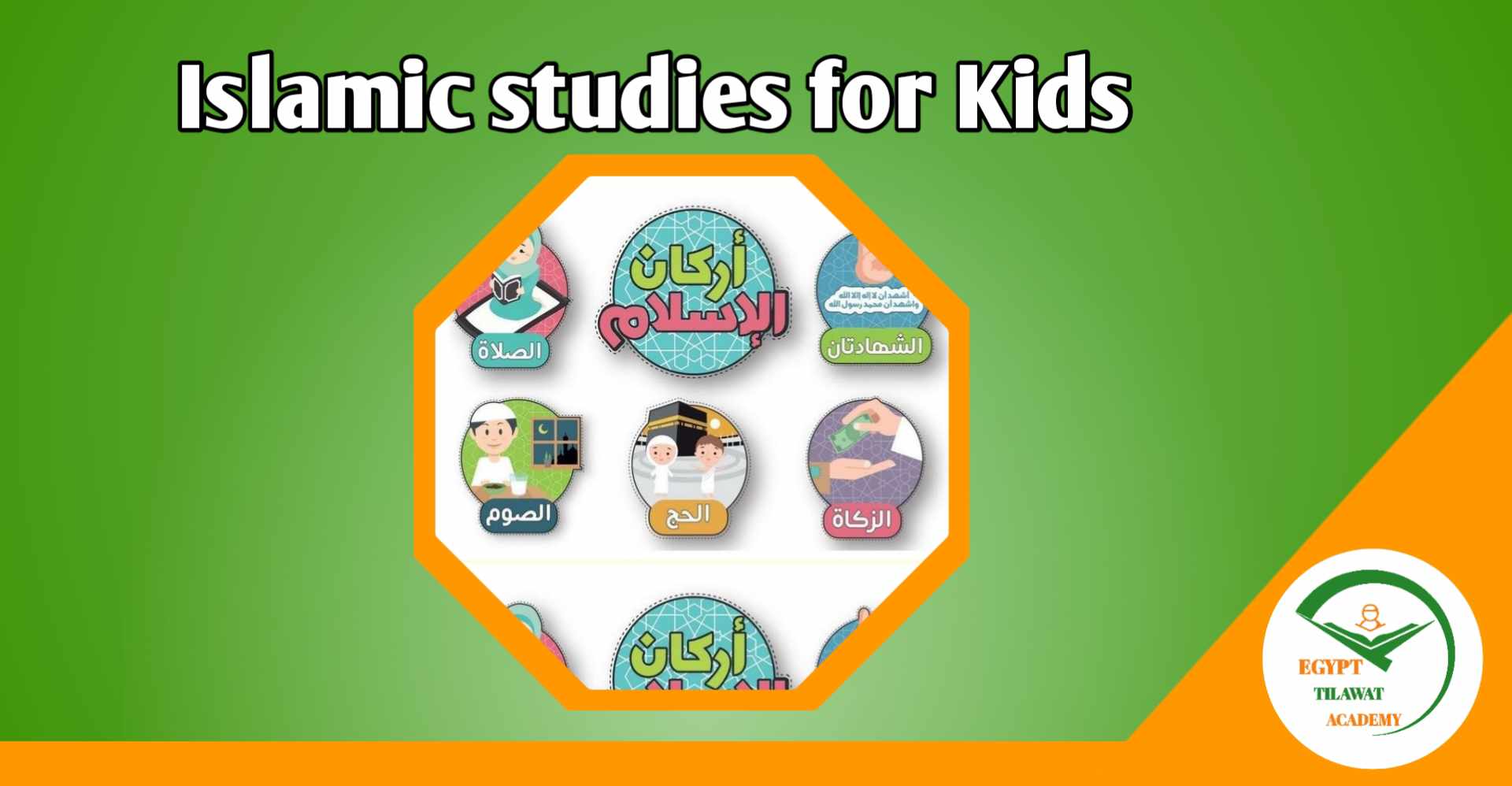
Beginners need a strong foundation. They may want to learn about the Five
Pillars, basic beliefs, worship, Islamic manners, and the life of Prophet
Muhammad ﷺ.
Good Islamic studies classes avoid overwhelming new
learners with advanced terminology.
Adults often have different goals.
Some want to improve their basic religious knowledge.
Others want a deeper understanding of Fiqh, Hadith, Quran, or Islamic
history.
Some may have studied Islam previously and want to return to learning after
a long break.
Flexible scheduling is particularly useful for adults.
They can select classes that fit around work and family responsibilities.
Students can also progress at a comfortable pace.
Parents should consider their child’s age, attention span, current
knowledge, and learning goals before selecting Islamic studies classes.
Adults should consider their own level and preferred subjects.
An effective online program can provide separate courses and learning paths
for different groups.
This creates a more comfortable classroom environment and allows teachers to
use suitable teaching methods.
Whether the learner is five, fifteen, or fifty, the goal remains the same:
build useful Islamic knowledge and turn that knowledge into positive
development and practice.
Learn Fiqh, Seerah, and Islamic History Online
Islamic Fiqh, Seerah, and Islamic history provide important foundations for
understanding Muslim life and heritage.
Good Islamic studies classes bring these subjects together
in a logical learning journey.
Fiqh helps students understand practical Islamic rulings.
Beginners can study purification, prayer, fasting, charity, and basic daily
responsibilities.
As students progress, they can explore broader topics within Islamic legal
traditions.
Seerah focuses on the life of Prophet Muhammad ﷺ.
It teaches students about his character, patience, leadership, mercy, and
commitment to spreading the message of Islam.
Seerah lessons can make Islamic principles easier to understand because
students see them within real historical events.
Islamic history gives learners a wider perspective.
Students can explore the development of Muslim communities, major scholars,
Islamic civilization, and the contribution of Muslims to education, arts,
science, and philosophy.
Some Islamic studies classes introduce students to
classical Islamic texts and scholarly traditions.
These topics can provide greater depth for learners who want more advanced
education.
Arabic can also support Islamic studies.
Since many important classical works were written in Arabic, learning the
language can help students access Islamic knowledge more directly.
A well-structured online Islamic studies course should present history accurately and avoid unnecessary controversy.
Teachers should explain differences in scholarly opinions with respect and clarity.
Studying Fiqh, Seerah, and Islamic history together helps students see Islam
as a complete system of belief, worship, ethics, knowledge, and community life.
Interactive and Flexible
Online Islamic Studies Lessons
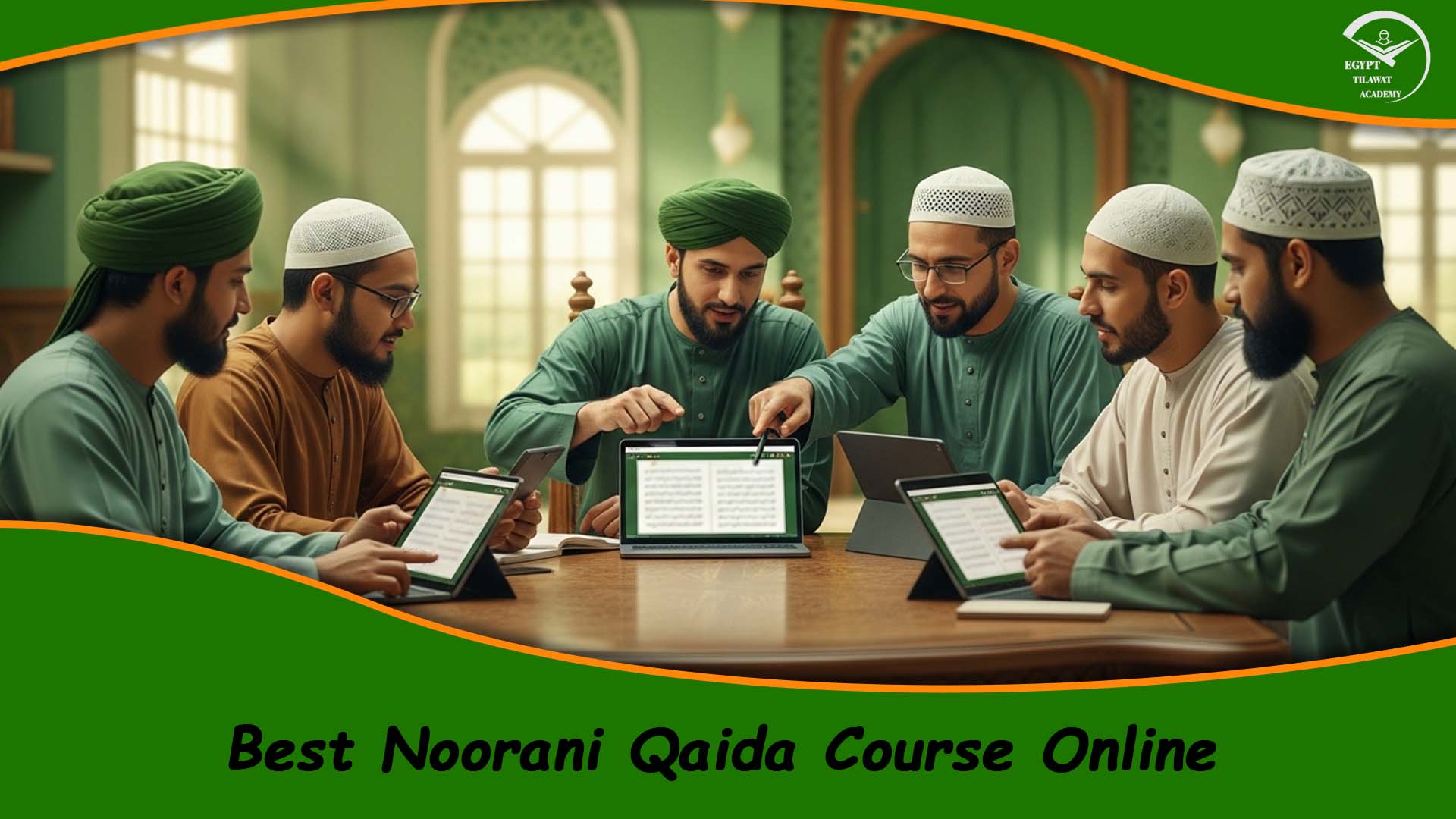
Effective Islamic studies classes should be interactive.
Students learn more effectively when they can communicate with their
teacher, ask questions, discuss ideas, and receive feedback.
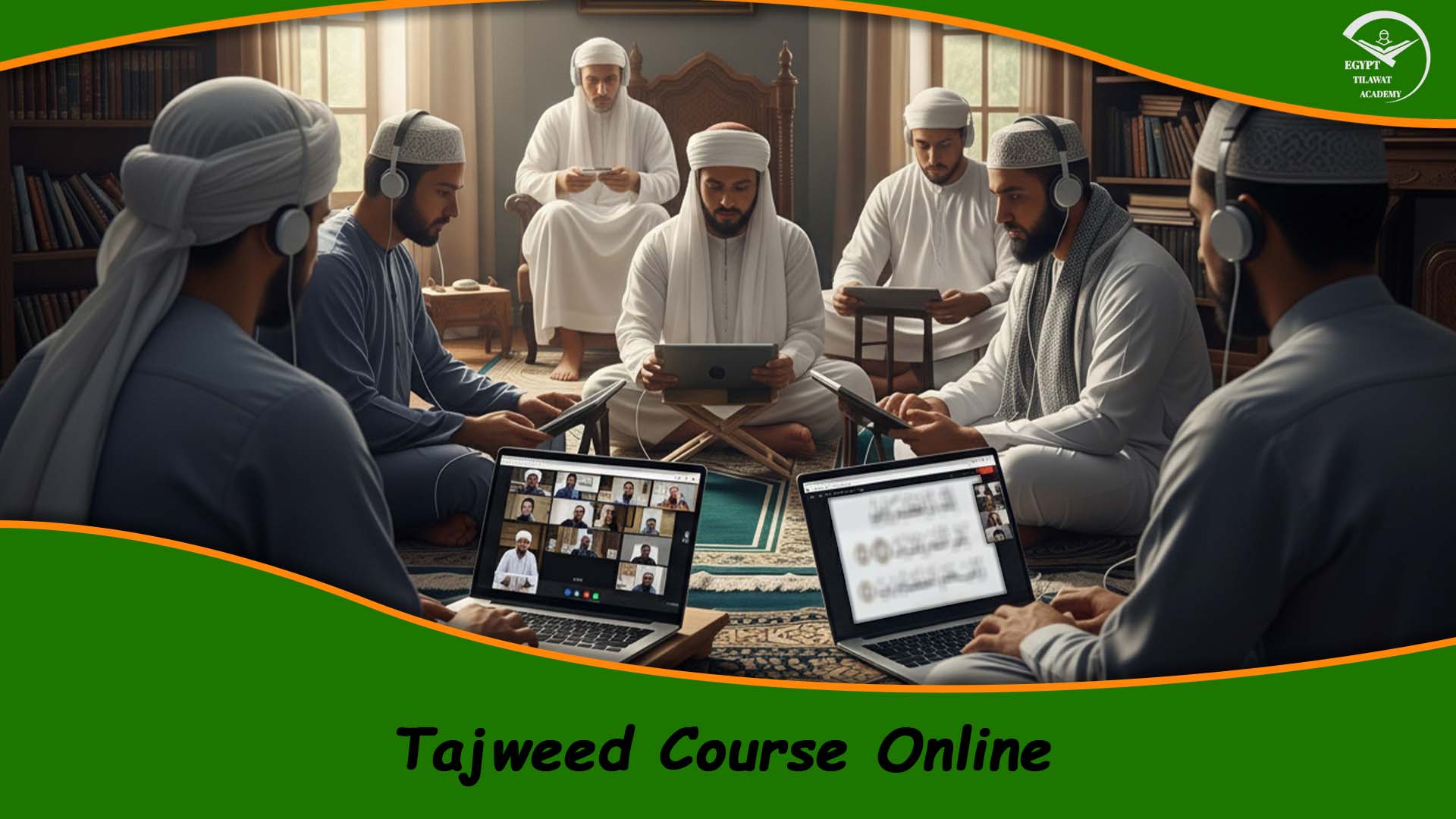
Live online lessons can create a classroom experience without requiring
physical attendance.
Teachers can use screen sharing, digital books, presentations, quizzes, and
discussion activities.
These tools can make difficult subjects easier to understand.
Flexibility is another major advantage.
Students can often choose lesson times that match their schedules.
This is especially helpful for working adults, university students, and
children who attend regular school.
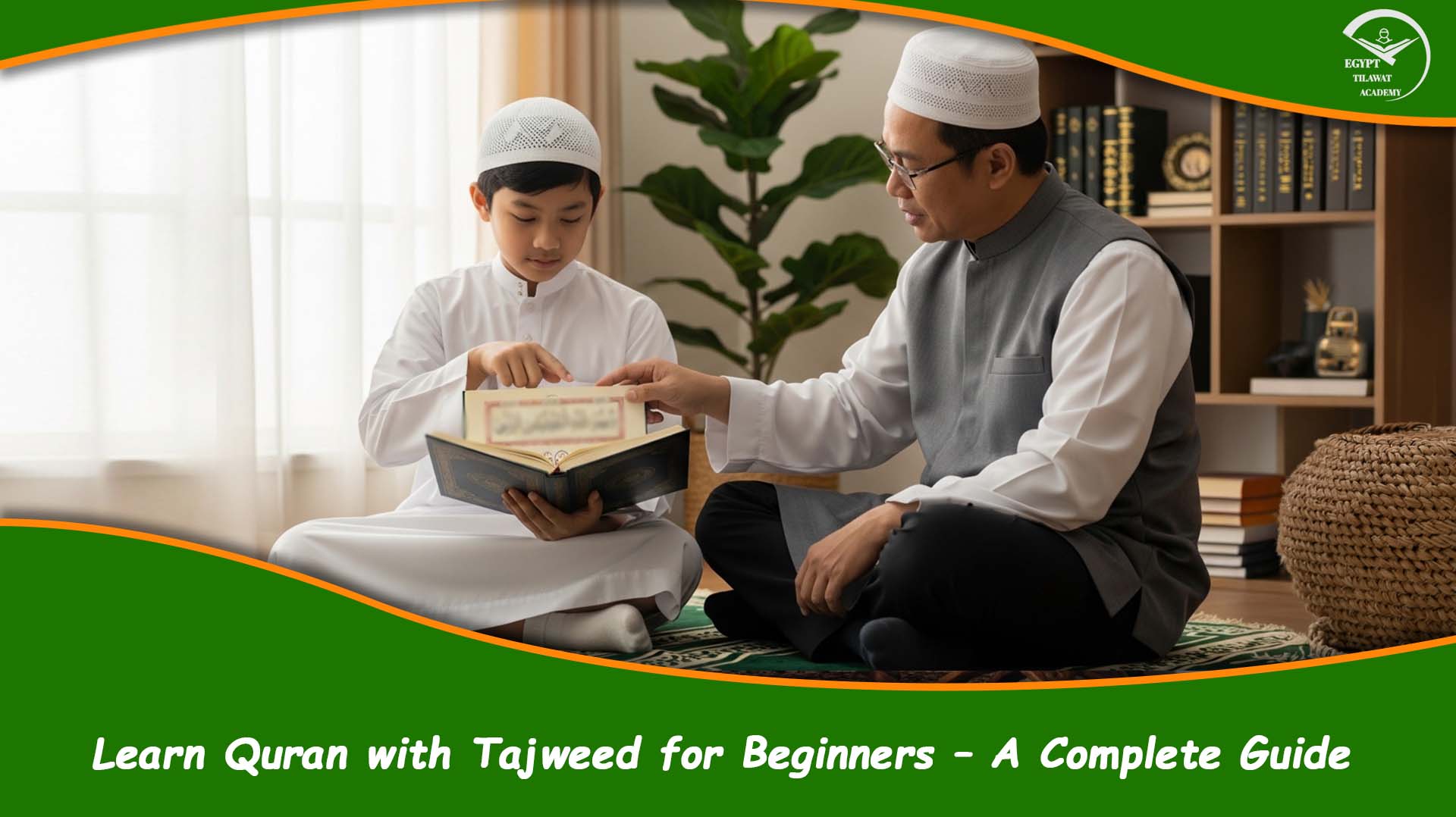
Some Islamic studies classes offer one-to-one lessons.
Individual teaching allows the instructor to focus completely on the
learner’s needs.
Small-group classes can also be effective because students can interact with
peers while receiving teacher guidance.
A good online learning environment should remain focused.
Students need clear lesson objectives and regular progress checks.
Teachers should know what has already been covered and what should be taught
next.
Parents can also benefit from progress updates.
They can understand what their children are learning and encourage regular
practice at home.
Technology should support education rather than replace good teaching.
A sophisticated platform cannot compensate for an unqualified instructor or
an unclear curriculum.
The best Islamic studies classes online combine technology
with human interaction.
They make learning accessible while preserving the personal connection
between teacher and student.
With consistent lessons and active participation, online Islamic education
can become a meaningful part of a student’s weekly routine.
How to Choose the Best Islamic Studies Classes Online
Choosing the right Islamic studies classes requires careful
consideration.
Many websites offer online religious courses, but not every program provides
the same quality, structure, or teaching experience.
Start by checking the teachers.
Look for qualified instructors with relevant Islamic education and strong
communication skills.
The teacher should be able to explain complex subjects in simple language.
Next, examine the curriculum.
The best Islamic studies classes online should clearly
explain what students will learn.
Check whether the program includes the subjects you need, such as Quran,
Hadith, Fiqh, Seerah, Aqeedah, Arabic, or Islamic history.
Consider the student’s age and level.
A child’s program should not look like an academic university course.
Likewise, an adult seeking advanced knowledge may need more depth than a
beginner course provides.
Also consider:
- Class schedule and flexibility.
- Live or recorded lesson options.
- Teacher qualifications.
- Course structure.
- Language of instruction.
- Student support.
- Progress assessment.
- Learning materials.
- Trial lesson availability.
- Course fees and policies.
If you are considering Egypt Tilawat Academy, review its
available programs and determine which course matches your learning goals.
Compare the curriculum, teaching approach, schedule, and student support
before enrolling.
Students seeking academic religious studies should also distinguish between
an online course and an accredited university degree.
A certificate from a course does not automatically equal a bachelor’s degree
or formal academic qualification.
The right program should make learning clear, practical, and consistent.
It should encourage understanding instead of simple memorization.
Ultimately, the best Islamic studies classes are those that
match your goals, learning level, schedule, and preferred teaching style.
With the right program and dedicated teacher, online Islamic education can
help learners build lasting knowledge and a stronger connection with their
faith.
Conclusion
Finding the best Islamic studies classes online can make
Islamic education more accessible for the whole family.
From Quran and Hadith to Fiqh, Seerah, Arabic, and Islamic history, a
structured program can help students develop meaningful religious knowledge.
Beginners can build strong foundations, children can learn through engaging
lessons, and adults can study at a flexible pace.
Egypt Tilawat Academy offers a strong platform to consider
when exploring online Islamic education.
Choose qualified teachers, a clear curriculum, flexible lessons, and a
program that supports long-term learning.
Start your journey today and make Islamic education a lasting part of your
life.