Best Way to Learn Quranic Arabic for Beginners
The best way to learn Quranic Arabic for beginners is to begin by mastering the Arabic script and proper pronunciation, as accurate reading is foundational.
Focus on high-frequency Quranic vocabulary using the '80% method' to build practical understanding quickly.
Study core grammar concepts relevant to Quranic Arabic—such as noun patterns, verb forms, and sentence structure—without overwhelming yourself.
Use free, reputable resources that offer structured, beginner-friendly lessons tailored to learning Quranic Arabic.
Consistent daily practice, combined with listening to recitations (Tajweed), reinforces both fluency and spiritual connection.
The best way for beginners to learn Quranic Arabic is to follow a step-by-step roadmap that starts with mastering the Arabic script, moves into high-frequency vocabulary, and applies basic grammar directly to short surahs.
The best way to learn Quranic Arabic is to study consistently and follow a structured learning path.
Good teachers can also help you avoid common mistakes and build confidence.
Whether you are a new Muslim, an adult learner, or a parent looking for Quranic Arabic for beginners, online learning can offer a flexible solution.
This guide explains how to learn Quranic Arabic step by step.
It also shows how vocabulary, grammar, Quran reading, and practical lessons can work together.
With patience and regular practice, you can develop the skills needed to understand the Quran in Arabic.
What Is the Best Way to Learn Quranic Arabic for Beginners?
The best way to learn Quranic Arabic for beginners is to start with the foundations and gradually move toward understanding complete Quranic verses.
Beginners should not try to learn everything at once.
A simple and organized plan makes Quran Arabic learning more enjoyable and effective.
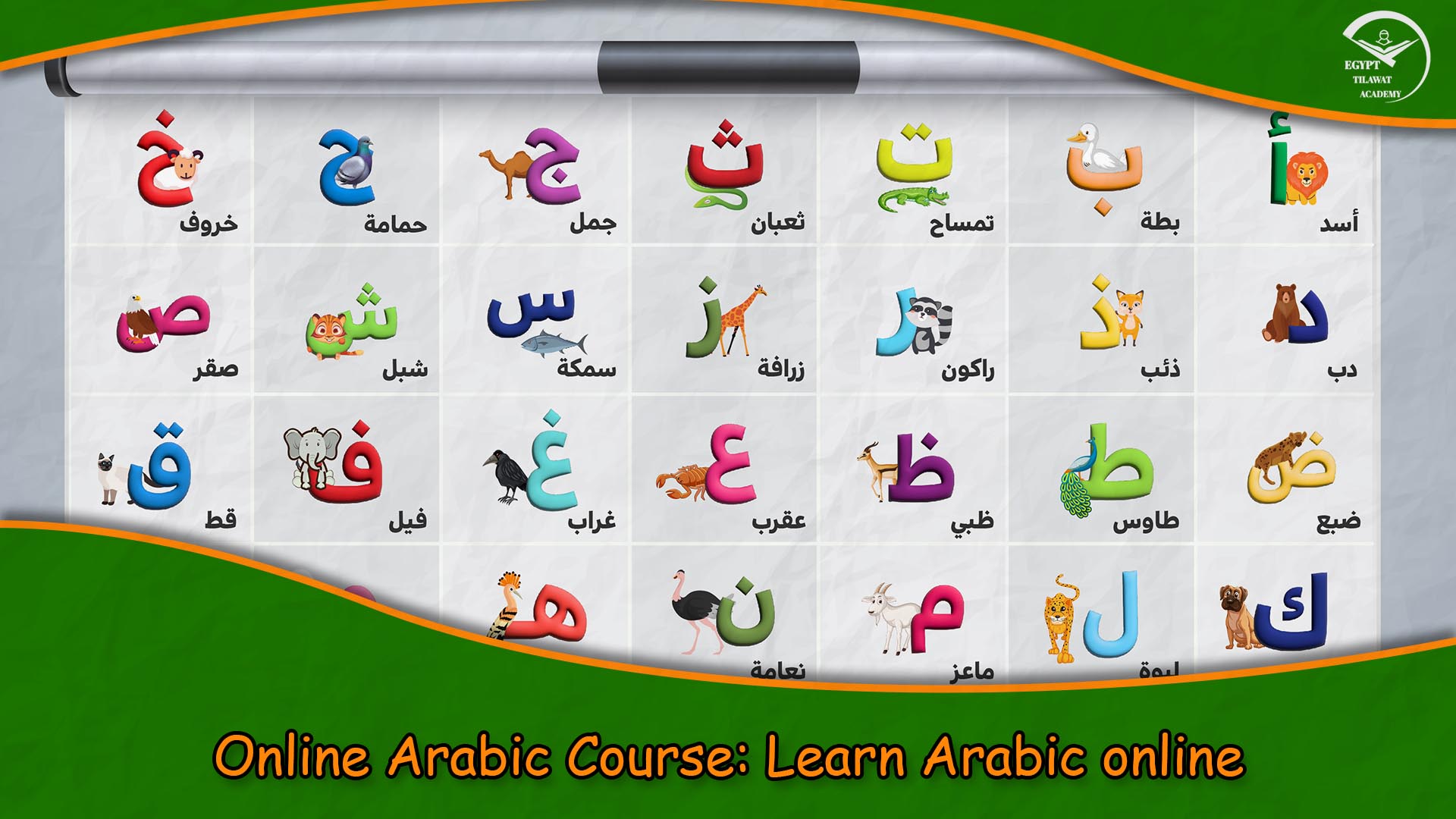
Start by strengthening your Arabic alphabet knowledge. Learn the correct Arabic pronunciation of each letter.
This foundation supports both Quran reading and language learning.
If you already know how to read the Quran, you can move faster into vocabulary and grammar.
The next stage is learning common Quranic Arabic vocabulary.
Many words appear repeatedly throughout the Quran. Learning these words gives beginners an immediate advantage.
You will start recognizing familiar words when you read Quranic verses.
Grammar should come after basic vocabulary.
Focus first on simple concepts. Learn nouns, verbs, pronouns, prepositions, and common sentence patterns. You do not need to master advanced Arabic grammar at the beginning.
A good Quranic Arabic course for beginners should combine vocabulary, grammar, reading, and practical examples.
It should also allow students to ask questions and receive corrections.
For many learners, the best way to learn Quranic Arabic online is through structured Quranic Arabic lessons with an experienced teacher.
This approach guides you while allowing you to study from home.
Why Should Beginners Learn Quranic Arabic?
Learning Quranic Arabic gives Muslims a deeper connection with the Quran.
Translation is useful, but every translation reflects the translator’s understanding of the original Arabic.
When you learn the original language, you can explore the words and expressions used in the Quran more directly.
For beginners, learning Arabic to understand the Quran can also make Quran reading more meaningful. Instead of recognizing only the sounds, you can begin to recognize the meanings of familiar words.
Over time, this can make daily Quran learning more engaging.
Another important benefit is a better understanding of Quranic vocabulary.
Words such as mercy, knowledge, guidance, worship, faith, and patience appear in different forms throughout the Quran.
Learning their Arabic roots can help you recognize connections between related words.
Quranic Arabic also supports the study of Tafsir.
When you have a basic understanding of Arabic, explanations of Quranic verses become easier to follow.
You can appreciate why scholars discuss particular words, structures, and meanings.
For new Muslims, Quranic Arabic for beginners offers a gradual way to become familiar with the Arabic language for the Quran.
Kids can learn through simple words and engaging Quran Arabic lessons for beginners.
Adults can follow a structured study plan that fits their schedule.
The goal is not simply to memorize Arabic words.
The goal is Quran understanding.
As your skills improve, you can gradually move from recognizing individual words to understanding complete Quranic phrases and verses.
How to Learn Quranic Arabic for Beginners
If you want to learn Quranic Arabic for beginners, begin with a clear study routine.
A good learning plan should move from simple concepts to more complex ones.
This makes the process less overwhelming.
First, review the Arabic alphabet if necessary.
Learn each letter and its sound. Pay attention to Arabic pronunciation.
Correct pronunciation is especially important when your language study is connected to Quran reading and Tajweed.
Next, build basic Quranic Arabic vocabulary. Learn a small number of useful words each day. Review older words before adding new ones.
Repetition helps move vocabulary from short-term memory into long-term memory.
Then begin basic Quranic Arabic grammar.
Start with simple sentence structures.
Learn how Arabic nouns, pronouns, verbs, and prepositions work.
Do not worry about advanced grammatical terminology at the beginning.
After that, connect your lessons with actual Quranic verses.
Choose short verses that contain words and structures you have already studied.
This gives you a practical context for your learning.
A helpful approach is to study for a short time every day. Even 20 to 30 minutes can make a difference when you remain consistent.
Regular practice is usually more effective than studying for several hours once a week.
The easy way to learn Quranic Arabic is to make the language part of your daily Quran routine.
Read a short passage. Identify familiar words.
Check the grammar.
Then compare your understanding with a reliable Quran translation and explanation.
This learn Quranic Arabic step-by-step approach works well for kids and adults because it creates steady progress without unnecessary pressure.
Learn Common Quranic Arabic Words and Vocabulary
Vocabulary is one of the most important parts of learning Quranic Arabic.
A strong vocabulary helps beginners recognize the meaning of verses even before they study complex grammar.
Start with high-frequency Quranic Arabic vocabulary.
Focus on words that appear often in the Quran.
You can organize vocabulary around simple themes such as worship, faith, family, nature, guidance, actions, and emotions.
Learning word roots can also be useful.
Arabic words are often connected through root letters.
Once you understand a common root, you may recognize several related words.
This makes vocabulary learning more efficient.
For example, learning different forms of a word can help you see how Arabic expresses different meanings.
You can then recognize the relationship between words when reading Quranic verses.
Beginners should also learn common Quranic phrases.
Short expressions appear repeatedly throughout the Quran.
Recognizing these phrases can make Quran reading feel more familiar.
A Quranic Arabic vocabulary for beginners program should include repetition.
Review vocabulary regularly instead of trying to memorize a large list in one sitting.
Flashcards, written exercises, reading practice, and teacher-led revision can all help.
Parents can make Quran vocabulary for beginners easier for children by connecting new words with simple meanings and examples.
Adults can keep a personal vocabulary notebook.
The purpose of vocabulary study is not to memorize thousands of isolated words.
It is to build useful language recognition.
As your Quran vocabulary grows, you will gradually understand more of the Quran without depending entirely on translation.
Understand Basic Quranic Arabic Grammar Step by Step
Grammar helps you understand how words work together.
Even a strong vocabulary may not be enough if you cannot recognize the relationship between words in a sentence.
The best approach is to learn Quranic Arabic grammar gradually.
Beginners should first understand simple concepts.
These may include nouns, verbs, pronouns, prepositions, singular and plural forms, and basic sentence structures.
You can then progress to more detailed topics.
These may include verb forms, grammatical endings, attached pronouns, and common structures found in Quranic verses.
Arabic grammar for the Quran should always be taught through practical examples.
A rule becomes easier to remember when you see it in an actual verse.
For example, instead of studying a grammar rule in isolation, a teacher can show how the rule appears in a short Quranic phrase.
You can identify the word, understand its function, and then see how the same structure appears elsewhere.
This approach makes Quranic Arabic grammar less intimidating for beginners.
You do not need to become a grammar expert immediately.
Your goal is to understand enough grammar to recognize meaning and sentence relationships.
A structured Quranic Arabic course can organize these lessons in a logical order.
It can introduce one concept, provide examples, and then give students opportunities to practice.
Over time, grammar becomes a tool for Quran understanding rather than a difficult subject on its own.
When vocabulary and grammar develop together, you can begin to understand more of the Quran directly.
Learn Quranic Arabic Through Quran Verses and Examples
The Quran itself should remain at the center of your learning.
Studying individual Arabic words is useful, but seeing those words in real Quranic verses makes learning more meaningful.
A good teacher can select short verses that match your level.
You can first read the verse.
Then identify familiar words.
Next, examine the grammar and sentence structure.
Finally, review the overall meaning.
This method connects Quranic Arabic lessons with real Quran learning.
It also helps students remember vocabulary because they encounter words in meaningful contexts.
Using Quranic verses can help you understand how one Arabic word may have different meanings depending on context.
It can also show you how Arabic grammar affects meaning.
Students can compare their understanding with a trusted Quran translation.
This does not mean replacing Arabic with translation. Instead, translation becomes a useful tool for checking your progress.
You can also explore selected explanations from Tafsir after studying a verse.
This adds depth and helps you appreciate the broader meaning and context.
For kids, teachers can use short verses and simple explanations.
For adults and new Muslims, lessons can gradually become more detailed.
The best Quranic Arabic course for beginners should not treat Arabic as a separate subject from the Quran.
It should connect language learning with Quranic verses, vocabulary, grammar, and understanding.
This practical approach can make Quran learning more rewarding. Each new word becomes something you can recognize when you open the Quran.
Practice Reading and Understanding the Quran in Arabic
Practice is essential if you want your knowledge to become a lasting skill.
You can study vocabulary and grammar, but regular reading is what brings everything together.
Set aside time each day for Quran reading.
Start with a short passage.
Read it slowly and focus on words you recognize.
Then identify one or two new words to study.
Do not worry if you cannot understand every word.
Beginners often make progress by understanding small parts of a verse first.
With continued practice, those small parts begin to connect.
You should also listen to Quran recitation while following the Arabic text.
This can support both Arabic pronunciation and Quran reading.
If you are also studying Tajweed, combine your language practice with correct recitation.
Another useful method is to keep a Quranic vocabulary journal.
Write down new words, their meanings, and examples from verses.
Review the journal regularly.
You can also practice asking yourself simple questions.
What words do I recognize?
What is the main action in this verse?
Which words describe people, places, or actions?
What grammar structures can I identify?
These questions turn passive reading into active learning.
For learners asking how to understand the Quran in Arabic, the answer is consistent practice combined with structured study.
You do not need to understand an entire page immediately.
Focus on gradual improvement.
With time, understanding the Quran becomes easier.
Familiar words stand out.
Common phrases become recognizable.
Grammar patterns begin to feel natural.
Learn Quranic Arabic Online from Scratch with Expert Teachers
Online learning has made Quranic Arabic more accessible to students around the world.
You can study from home and choose lessons that fit your schedule.
This can be especially helpful for busy adults, children, and new Muslims.
An online Quranic Arabic course can provide a structured path from the Arabic alphabet to vocabulary, grammar, and Quranic understanding.
However, the quality of the teacher matters greatly.
Egypt Tilawat Academy can be a strong choice for students who want guided Quranic Arabic learning.
A structured learning environment can help beginners understand difficult concepts, practice reading, and receive feedback.
When choosing Quranic Arabic classes, look for qualified teachers who understand both Arabic and Quranic studies.
Good instruction should be clear and patient.
It should also adapt to the student’s level.
A teacher can correct pronunciation, explain grammar, introduce useful vocabulary, and answer questions.
This can make the learning process much easier than trying to study everything alone.
Learn Quranic Arabic online lessons can also support different learning needs.
Children may need shorter and more engaging sessions.
Adults may prefer flexible scheduling.
New Muslims may need lessons that introduce both basic Arabic and essential Islamic studies.
The best way to learn Quranic Arabic online is to combine live instruction with regular independent practice.
Review each lesson.
Read Quranic verses.
Revise vocabulary.
Complete exercises and ask questions.
If you are starting from zero, look for a Quranic Arabic course for beginners that truly begins with the basics.
A strong foundation makes future learning much easier.
How Long Does It Take to Learn Quranic Arabic for Beginners?
There is no single timeline for learning Quranic Arabic. Every student has a different background, learning speed, and study schedule.
Someone who already reads Arabic may progress faster than someone starting with the Arabic alphabet.
For many beginners, the first stage focuses on basic vocabulary and simple grammar.
With consistent study, students can gradually recognize common words and phrases in the Quran.
The time needed also depends on your goal.
If you want to recognize common Quranic vocabulary, you may make noticeable progress within a few months of regular study.
If your goal is to understand most verses independently, you will need longer and more advanced study.
Consistency is more important than speed.
Studying a little every day is often more effective than studying only occasionally.
A practical routine might include a short vocabulary session, a grammar lesson, and Quran reading each day.
You can also review previous lessons at the end of the week.
Students should remember that learning Quranic Arabic for beginners is a journey rather than a quick task.
You may understand a few words at first. Later, you may understand phrases. Eventually, you can begin following the meaning of complete verses.
The most important thing is to keep learning.
If you choose a suitable Quranic Arabic course, work with qualified teachers, and practice regularly, your understanding can steadily improve.