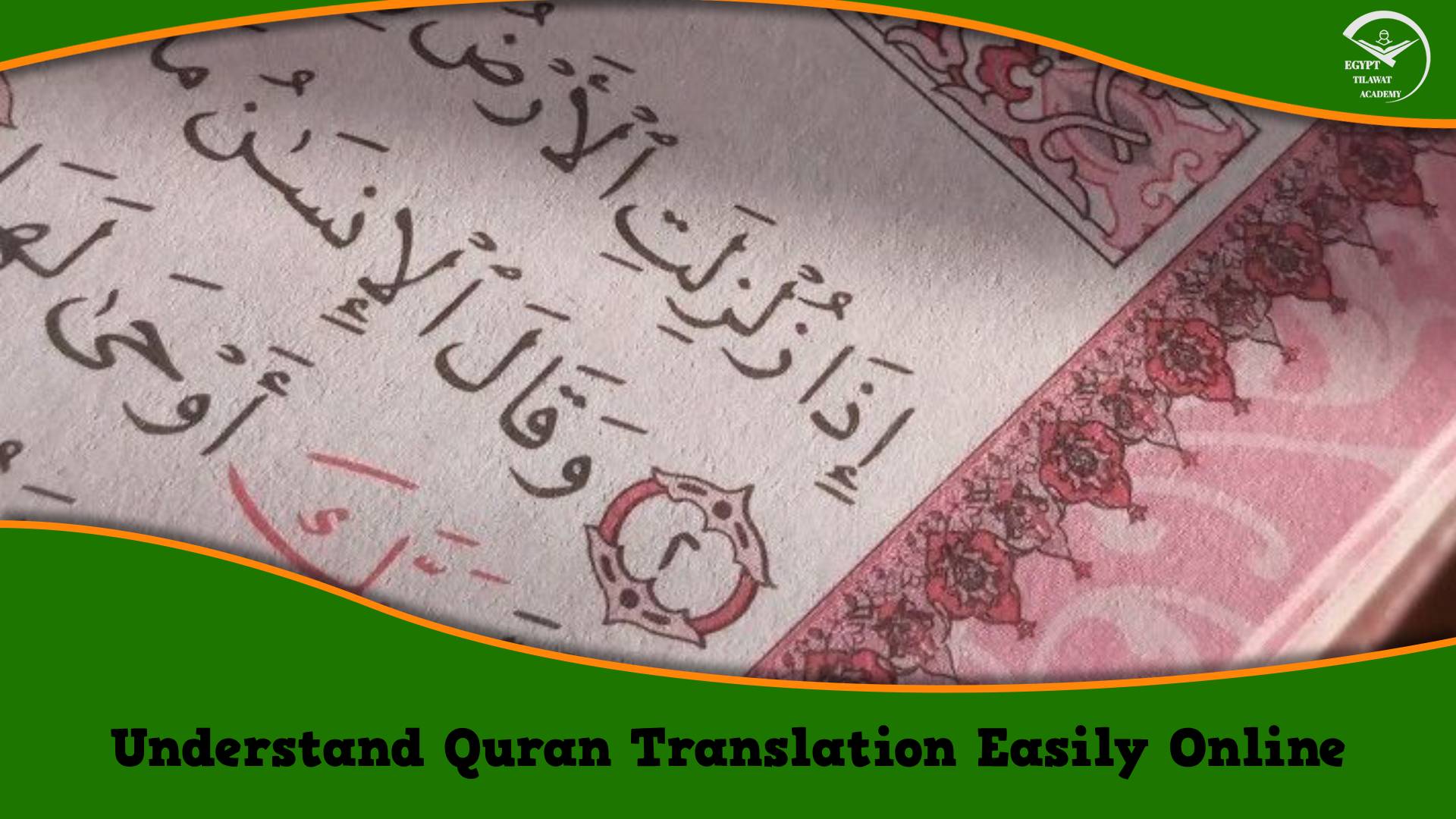
Online Tafseer Classes in English
Online Tafseer classes in English are virtual courses that teach the interpretation of the Quran using scholarly exegesis. These classes cover linguistic analysis, historical context, theological themes, and practical applications of Quranic verses, making them accessible to non-Arabic speakers.
Qualified Islamic scholars typically lead them, with live sessions, recorded lectures, discussion forums, and downloadable resources. Egypt Tilawat Academy provides flexibility for global learners seeking a deeper understanding of the Quran. It teaches the interpretation, context, and deeper meanings of the Holy Quran in English.
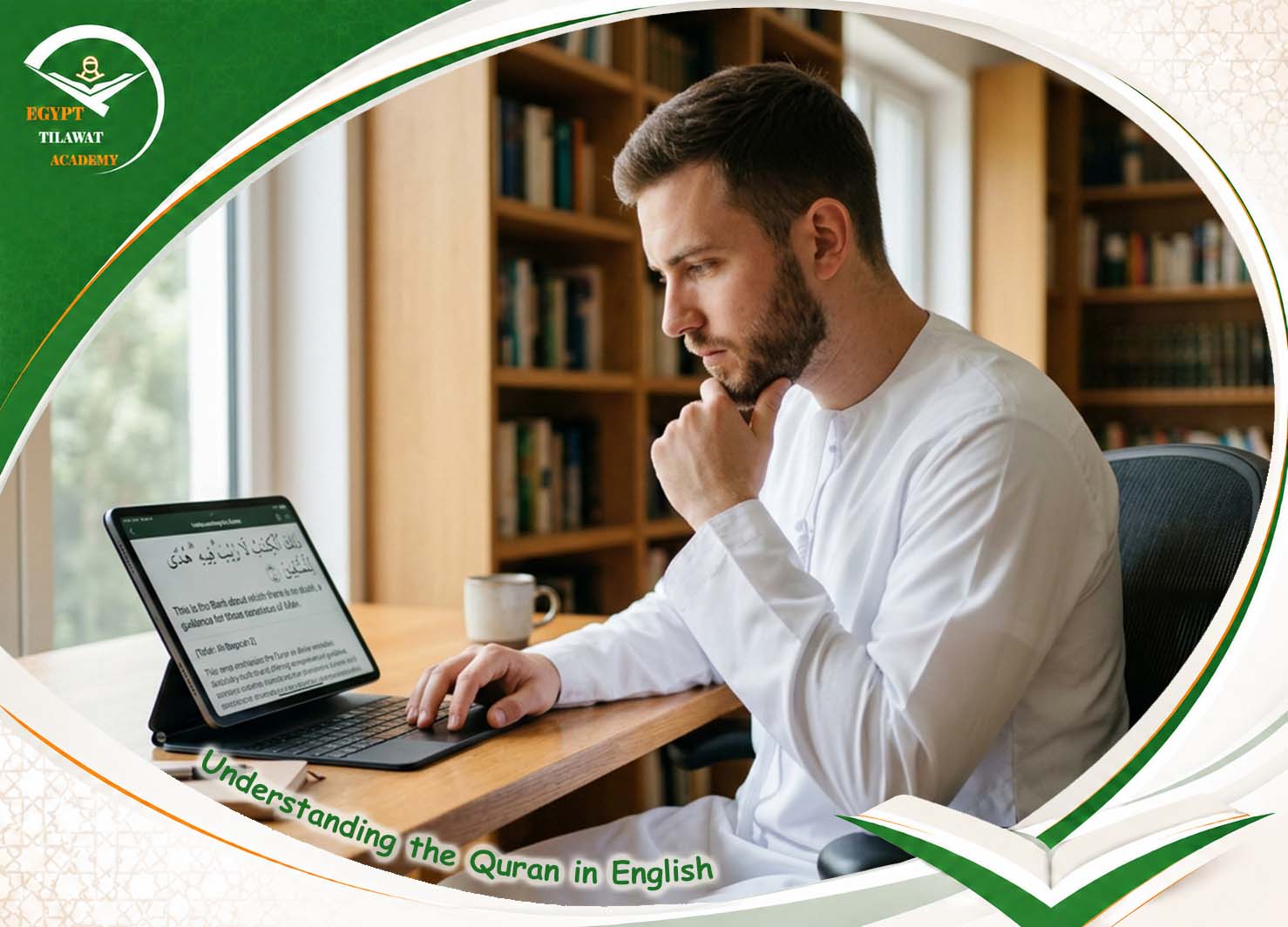
Online tafseer classes in English offer a practical way to understand the Quran without travelling to a local Islamic centre or needing advanced Arabic skills. Through live online lessons, students can explore the meanings of Quranic verses, learn why particular verses were revealed, and discover how the Quran guides everyday life.
Tafseer is more than translating Arabic words into English. It involves studying the context, meaning, and explanations of Quranic verses through reliable Islamic sources. With the right teacher, learners can develop a deeper understanding of Allah's message while building a stronger connection with the Quran.
These classes can benefit beginners, adults, children, new Muslims, and non-Arabic-speaking Muslims living in the United States, United Kingdom, Canada, and Australia. Lessons can be adapted to a student's age, current knowledge, and learning goals.
Egypt Tilawat Academy offers structured Quran learning from home for students. With suitable teacher guidance, a clear learning plan, and flexible scheduling, students can study at a pace that fits their circumstances.
Whether you want to understand familiar surahs, support your children's Islamic education, or explore the Quran's message more deeply, online learning can help you take a meaningful next step.
What Are Online Tafseer Classes in English?
Online tafseer classes in English are lessons that explain the meanings, context, and guidance of the Quran in a language students can understand. They help learners move beyond reading a translation and begin exploring what Quranic verses mean within their wider context.
The Arabic word tafsir, commonly written as tafseer in English, refers to the explanation or interpretation of the Quran. A well-structured class draws on recognised Islamic scholarship and relevant evidence from the Quran and authentic Hadith. Depending on the topic, a teacher may also explain the historical circumstances surrounding a revelation, known as Asbab al-Nuzul.
For example, a lesson about Surah Al-Fatihah might explain the meaning of its verses, the themes of praise and worship, and the importance of seeking guidance from Allah. Students can ask questions and discuss how to apply the lessons to everyday life without confusing personal opinions with established Islamic teachings.
Unlike independent reading, live online lessons provide opportunities to clarify difficult concepts and review unfamiliar terms. Students can learn through video calls, shared learning materials, guided reading, and discussions.
These classes are particularly helpful for non-Arabic speakers who want to understand the Quran in English while gradually developing their Islamic knowledge. Beginners do not necessarily need advanced Arabic skills to start, although learning Quranic Arabic can enrich their understanding over time.
The goal is not simply to memorise explanations. It is to develop a careful, informed understanding of the Quran and its guidance, supported by reliable sources and qualified instruction.
Key Features of Online Tafseer Classes in English
The quality of online tafseer classes in English depends on their teaching approach, course structure, and the reliability of the material. A useful course should make complex concepts accessible without oversimplifying important Islamic teachings.
Look for classes that include the following features:
Clear English explanations: Lessons should explain Quranic vocabulary, central themes, and verse meanings in language suitable for the student's level.
Reliable Islamic sources: Teachers should refer to recognised tafseer works, relevant Quranic passages, and authentic Hadith when appropriate.
Qualified instructors: Students should be able to learn from teachers with suitable Islamic education and knowledge of Quranic interpretation.
Interactive lessons: Live sessions allow students to ask questions, discuss key points, and revisit challenging topics.
Structured learning: A planned curriculum helps students progress from introductory concepts to more detailed explanations.
Flexible scheduling: Suitable lesson times make it easier for working adults, schoolchildren, and families in different time zones to attend consistently.
Progress reviews: Recaps, short assignments, and revision sessions help learners remember what they have studied.
Some courses focus on selected surahs, while others introduce broader Quranic themes, the lives of the Prophets, moral guidance, or connections between the Quran and Sunnah. A beginner Quran tafseer course should explain essential concepts before introducing more complex discussions.
Students should also be encouraged to distinguish between a direct translation, a scholarly explanation, and a teacher's personal reflection. These are related but different forms of learning.
When comparing online tafseer classes in English, ask whether the course provides a syllabus, identifies its teaching sources, and gives students opportunities to review lessons. These practical details can help you choose a course that supports lasting understanding rather than passive attendance.
Why Learn Quran Tafseer in English?
Many Muslims can read the Quran in Arabic but find it difficult to understand the meanings of its verses. Others may be new to Islam or may have grown up in communities where regular Quran explanation was not readily available. English-language tafseer can help bridge this gap.
The Quran provides guidance on faith, worship, character, family relationships, justice, patience, gratitude, and responsibility. Understanding its message helps students appreciate the meaning behind what they read and recite.
For example, studying verses about patience can help learners understand its importance during hardship. Exploring Quranic teachings about kindness can encourage thoughtful behaviour at home, at school, and in the wider community. Such lessons should be understood within their proper context rather than reduced to isolated quotations.
Online tafseer classes in English also make Islamic learning more accessible to people who are still developing their Arabic skills. Students can focus on meaning while gradually learning important Arabic terms and expressions.
There are several reasons to consider this approach:
Stronger Quranic understanding: Learn the meaning and context of verses instead of relying on translation alone.
Deeper spiritual connection: Reflect on the Quran's message and its relevance to worship and daily life.
Better-informed learning: Explore explanations based on recognised Islamic scholarship rather than relying entirely on short social media posts.
Support for new Muslims: Build foundational knowledge in a familiar language.
Family learning opportunities: Parents can reinforce age-appropriate lessons with their children.
English tafseer does not replace the original Arabic Quran. Instead, it helps students understand its message through explanations in a language they know well.
For many learners, this makes regular Quran study more meaningful and encourages them to continue learning with care, curiosity, and consistency.
Benefits of Live Online Tafseer Lessons
Live online tafseer lessons combine the convenience of studying at home with the benefits of direct teacher interaction. Rather than trying to interpret unfamiliar passages alone, students can follow a guided explanation and ask questions when something is unclear.
One major advantage is immediate feedback. If a student misunderstands a verse or encounters an unfamiliar Islamic term, the teacher can explain the issue and provide relevant context. This is especially useful for beginners who may not yet know how to evaluate different interpretations.
Live classes can also encourage active learning. A teacher may ask students to summarise a lesson, identify its main theme, or consider how a teaching relates to a real-life situation. These activities help students engage with the material instead of simply listening.
Other benefits include:
Personal interaction: Students can discuss questions that matter to their age, background, and level of knowledge.
Consistent learning: Regular sessions create a routine that can be easier to maintain than occasional independent study.
Access from different locations: Muslims living far from an Islamic centre can study with a suitable online teacher.
Family convenience: Parents can arrange lessons around school hours, work commitments, and family responsibilities.
Focused revision: Teachers can revisit difficult verses, clarify vocabulary, and review earlier topics.
Online tafseer classes in English may be offered individually or in groups. Private lessons can provide more time for questions, while group sessions may allow students to learn from one another's questions and observations.
The best format depends on the learner. Before enrolling, check the class size, session length, teaching method, and available study materials.
Technology makes these lessons more accessible, but the quality of learning still depends on reliable sources, appropriate instruction, student participation, and regular review.
Online Tafseer Classes for Beginners, Adults, and New Muslims
A good tafseer course recognises that students have different backgrounds and learning needs. A child beginning Islamic studies requires a different approach from an adult who wants to explore Quranic themes in greater depth. New Muslims may also need additional support with basic terminology and foundational beliefs.
For beginners: Introductory classes should explain what tafseer is, how translations differ from interpretation, and why context matters. Teachers can start with shorter surahs and familiar themes before moving to more detailed discussions.
For adults: Adult learners may prefer to study topics such as faith, worship, family life, patience, ethical conduct, and personal responsibility. Lessons can be organised around specific surahs or broader Quranic themes, depending on the student's goals.
For new Muslims: English explanations can make Islamic learning more approachable. Teachers can introduce essential concepts gradually and provide opportunities to ask questions without feeling pressured to know everything at once.
For children: Lessons should be age-appropriate, engaging, and easy to follow. Teachers can explain selected verses through simple examples, stories supported by reliable sources, and discussions about honesty, kindness, gratitude, and respect. Parents should check that the course suits their child's age and attention span.
For non-Arabic-speaking Muslims: Classes can explain Quranic meanings in English while introducing important Arabic words. Students who wish to progress further can combine tafseer with Quran reading and Arabic-language lessons.
Online tafseer classes in English should not assume that every student starts at the same level. A short assessment or introductory conversation can help establish realistic goals.
Before choosing a course, consider the learner's age, current Quran knowledge, preferred lesson format, and available study time. The right starting point is one that encourages steady progress without overwhelming the student.
How to Choose the Best Online Tafseer Classes in English
Choosing the best online tafseer course requires more than comparing prices or promotional offers. Students need a programme that provides trustworthy instruction, clear explanations, and a learning structure suited to their goals.
Start by checking the teacher's background. Ask about their Islamic education, experience teaching tafseer, and familiarity with recognised Quranic commentaries. A responsible teacher should be willing to explain the sources used in lessons and acknowledge when a question requires further scholarly guidance.
Next, review the course syllabus. It should show which surahs or topics students will study, how lessons build on one another, and whether the course is suitable for beginners. A clear syllabus also helps families understand what they can reasonably expect from the programme.
Use this checklist when comparing providers:
Teaching qualifications: Are the instructors appropriately trained in Islamic studies and Quranic interpretation?
Source reliability: Do lessons draw on recognised tafseer scholarship and relevant authentic Hadith?
Teaching language: Can the instructor explain difficult ideas in clear, accessible English?
Learning format: Are live classes, private lessons, or group sessions available?
Scheduling: Can lessons fit your local time zone and weekly commitments?
Student support: Can learners ask questions and receive clarification?
Trial options: Is there an introductory or trial lesson so you can assess teaching quality before committing?
Fees and policies: Are tuition costs, cancellation terms, and rescheduling rules clearly explained?
You should also consider the learning environment. A suitable online classroom should be organised, respectful, and appropriate for children or adults, depending on who is enrolling.
Avoid providers that promise guaranteed spiritual outcomes, claim exclusive access to unquestionable interpretations, or cannot explain their sources. Serious Quranic learning requires humility and careful study.
The best online tafseer classes in English are those that help students develop understanding through reliable guidance, meaningful interaction, and consistent learning. Take time to ask questions before making a decision.
Learn Quran Tafseer Online in English with Egypt Tilawat Academy
For Muslims who want to understand
the Quran beyond its translation, online Tafseer classes in English at Egypt Tilawat Academy provide a practical way to study its
meanings, context, and guidance. Egypt Tilawat Academy is one option for
learners seeking structured online Quran and Islamic studies instruction,
including Quran Tafseer lessons for different ages and learning levels.
The academy's existing Tafseer
course description highlights Quranic meanings, the context of revelation,
Surah-based explanations, and lessons that help students reflect on the Quran's
message. These topics can help learners develop a deeper understanding of the
verses and connect Quranic teachings with everyday life.
Learn Quran Tafseer Online with Qualified Islamic Teachers
The quality of a Tafseer course
depends on more than convenient technology. Students should look for teachers
with relevant Islamic education, a sound understanding of Quranic
interpretation, and the ability to explain complex concepts clearly.
Egypt Tilawat Academy describes its
teaching team as including qualified teachers with backgrounds in Al-Azhar University education. Learners can review the academy's teacher profiles and
ask about the instructor's specific Tafseer qualifications and teaching
experience before enrolling.
A supportive teacher should also
encourage questions, explain unfamiliar terminology, distinguish established
interpretations from personal reflections, and help students understand the
context of the verses they study.
A structured lesson can begin with a
brief review of the previous topic, followed by reading or reviewing selected
verses, explaining their meanings, and discussing relevant Tafseer. The teacher
can then highlight important lessons and answer the student's questions.
For example, a lesson on Surah
Al-Fatihah might explore its central message, the meaning of its key
expressions, its place in Muslim worship, and lessons about seeking Allah's
guidance. This approach combines understanding the text with thoughtful
reflection.
Egypt Tilawat Academy published
course description discusses structured Tafseer learning. Still, students
should confirm the current lesson format, the materials provided, and whether
the course follows a fixed syllabus or a personalized study plan.
How Are Online Tafseer Classes Structured?
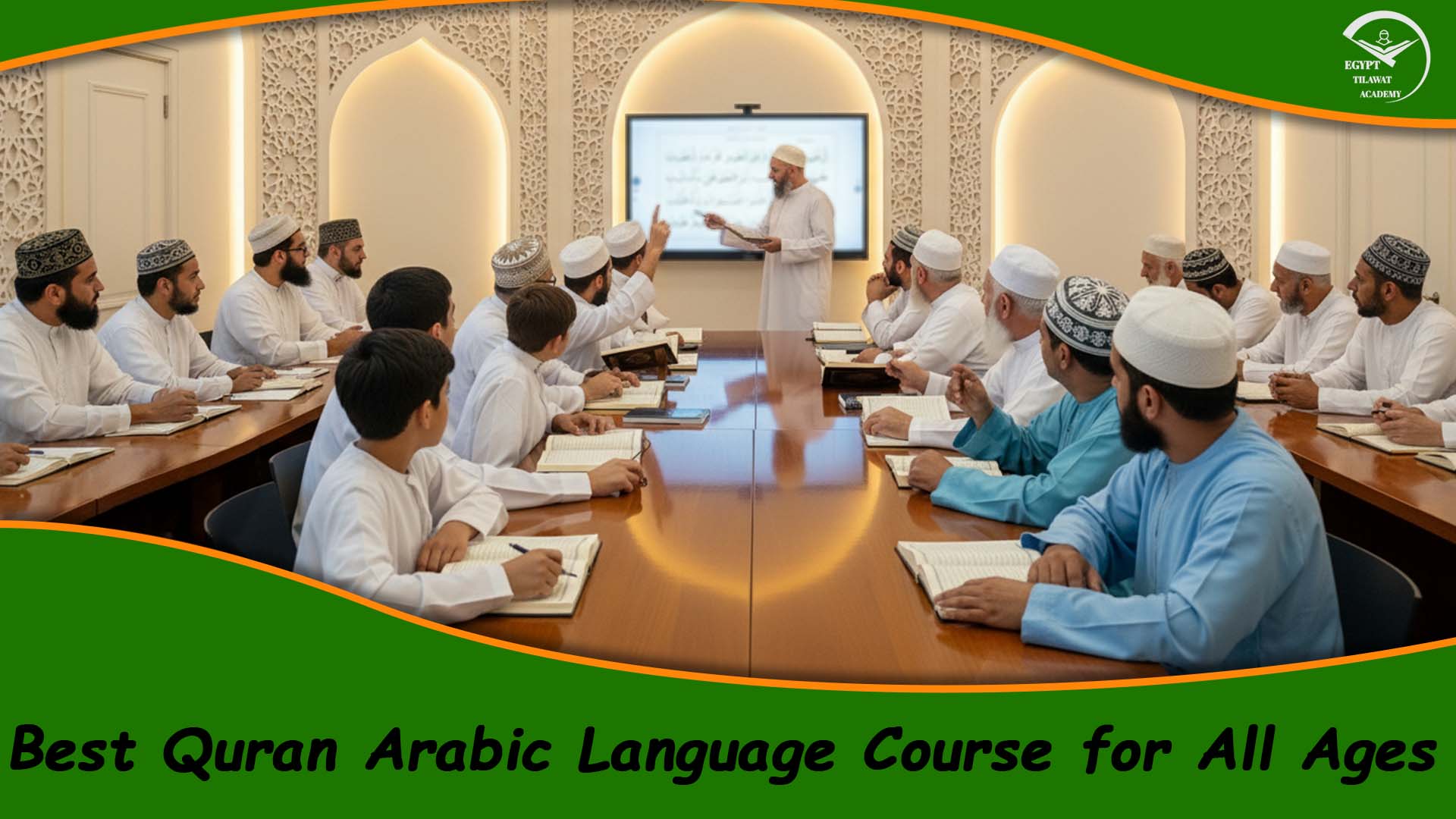
A structured lesson can begin with a brief review of the previous topic, followed by reading or reviewing selected verses, explaining their meanings, and discussing relevant Tafseer. The teacher can then highlight important lessons and answer the student's questions.
For example, a lesson on Surah Al-Fatihah might explore its central message, the meaning of its key expressions, its place in Muslim worship, and lessons about seeking Allah's guidance. This approach combines understanding the text with thoughtful reflection.
Egypt Tilawat Academy's published course description discusses structured Tafseer learning. Still, students should confirm the current lesson format, the materials provided, and whether the course follows a fixed syllabus or a personalized study plan.
Flexible One-on-One Quran Tafseer Lessons for Busy Muslims
Online Quran education can make it
easier for Muslims to study while balancing work, school, family
responsibilities, and other commitments. Egypt Tilawat Academy advertises flexible
scheduling and offers lesson packages with different session lengths and
frequencies across its programs.
This flexibility may be useful for
students in the USA, UK, Canada, Australia, and other regions with different
time zones. Before choosing a package, ask the academy which available
schedules apply specifically to Tafseer classes, how often lessons take place,
and whether the session duration suits your learning goals.
The academy also advertises progress reports after sessions across its listed plans. Ask how progress is assessed in Tafseer study, such as through lesson reviews, questions, or a record of the topics covered.
Enrollment Options and Getting Started
If you are considering online Tafseer classes in English, begin by identifying your current level, preferred lesson frequency, and learning goals. Then review the academy's available options and confirm the details of its Tafseer program before making a commitment.
Egypt Tilawat Academy provides
online registration and publishes pricing plans for its teaching programs. Its
website also promotes a trial lesson, allowing prospective students to explore
the learning experience before proceeding.
Before enrolling, confirm these
details with the academy:
- Whether the selected Tafseer course is taught entirely
in English.
- Which teachers are available and what relevant Tafseer
qualifications they hold.
- Whether lessons are private or group-based.
- Which Surahs, Tafseer references, and learning
materials the course covers.
- The available schedules, session lengths, fees, and
payment arrangements.
- Whether a trial lesson is available for the specific
Tafseer program.
Ready to explore Quran Tafseer
classes online? Visit Egypt Tilawat Academy to
review its courses, check the published pricing plans, or visit the registration page. Contact the academy to confirm the current
English-language Tafseer course details and choose an arrangement that fits
your learning needs.
Frequently Asked Questions About Online Tafseer Classes in English
Can I study Quran tafseer online without knowing Arabic?
Yes, many introductory tafseer classes explain Quranic meanings in English and are suitable for non-Arabic speakers. Learning Arabic can deepen your understanding over time, but advanced Arabic skills are not always required to begin.
What do online tafseer classes in English teach?
These classes explain Quranic verses, their meanings, relevant context, and lessons drawn from recognised Islamic scholarship. Depending on the course, students may also study reasons for revelation, relevant Hadith, and key Quranic themes.
Are online Quran tafseer classes suitable for beginners and children?
Yes, provided the course matches the learner's age, background, and level of knowledge. Beginners benefit from clear explanations, while children need age-appropriate lessons and suitable teacher guidance.
How can I choose the best online tafseer course?
Check the teacher's qualifications, course syllabus, sources, teaching language, schedule, fees, and opportunities to ask questions. If available, attend a trial lesson to evaluate whether the teaching style and learning format suit your needs.
Conclusion: Start Learning Quran Tafseer in English
Understanding the Quran is a lifelong process that begins with sincere effort, reliable guidance, and a willingness to learn. Online tafseer classes in English can help beginners, adults, children, and new Muslims explore Quranic meanings without making advanced Arabic a starting requirement.
Choose a course that values authentic sources, clear explanations, qualified instruction, and steady progress. Egypt Tilawat Academy is an option to explore if you are looking for online Quran learning; confirm its current tafseer offerings, teacher availability, and trial-class arrangements before enrolling.
Ready to understand the Quran beyond its translation? Contact Egypt Tilawat Academy to ask about online tafseer lessons in English and whether a trial class is available. Take your next step towards more informed and meaningful Quran study.