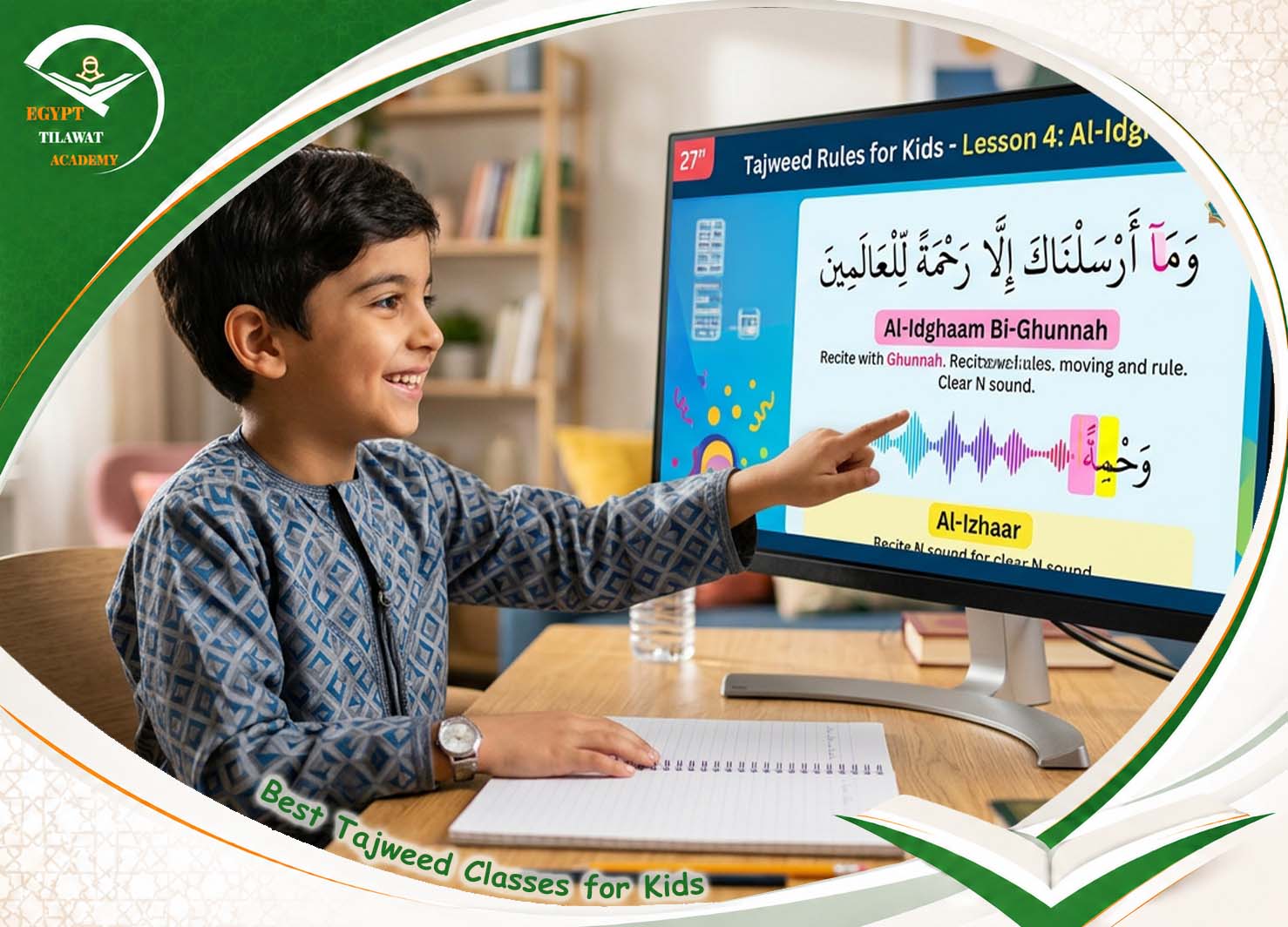
Best Tajweed Classes for Kids
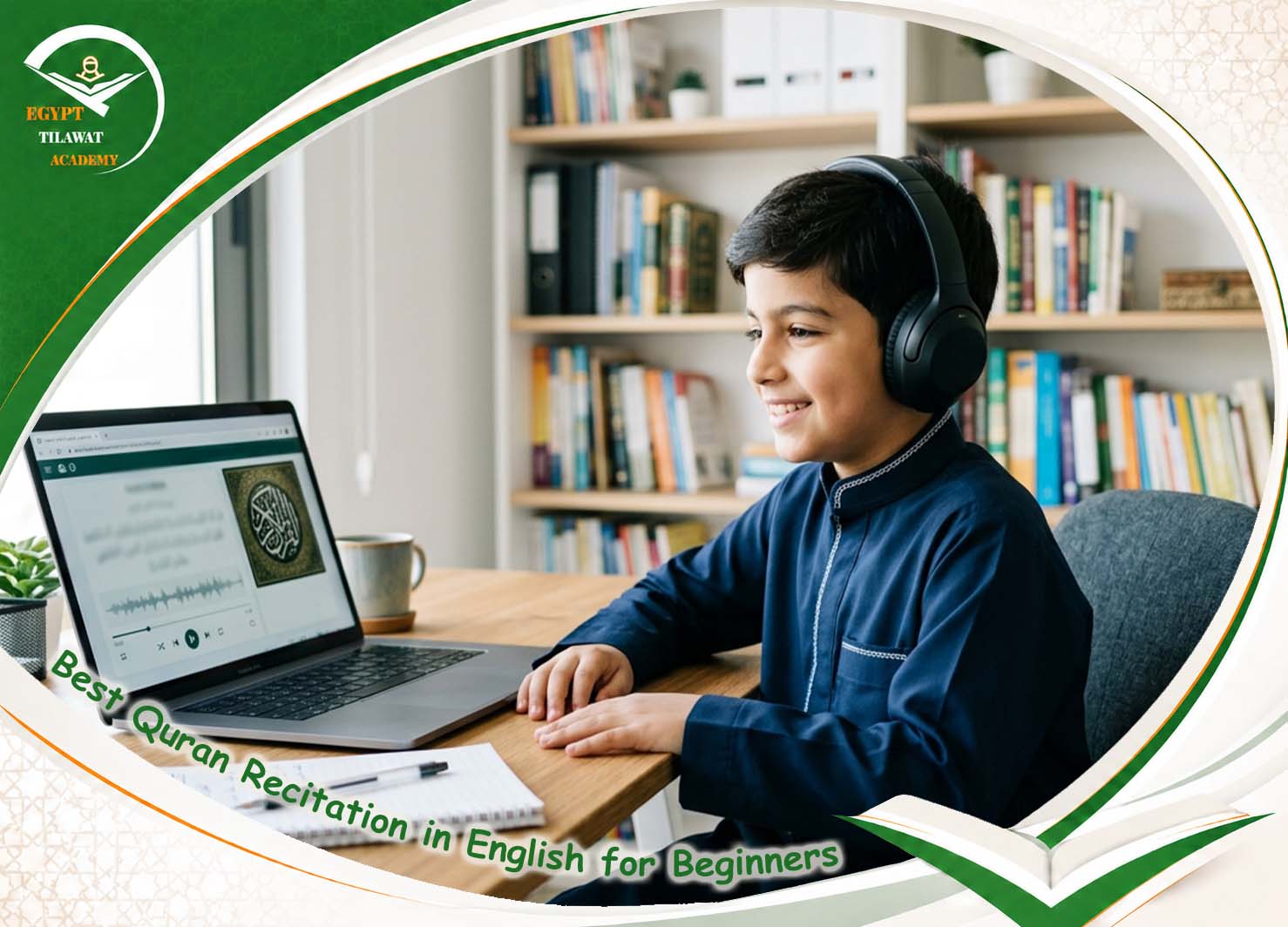
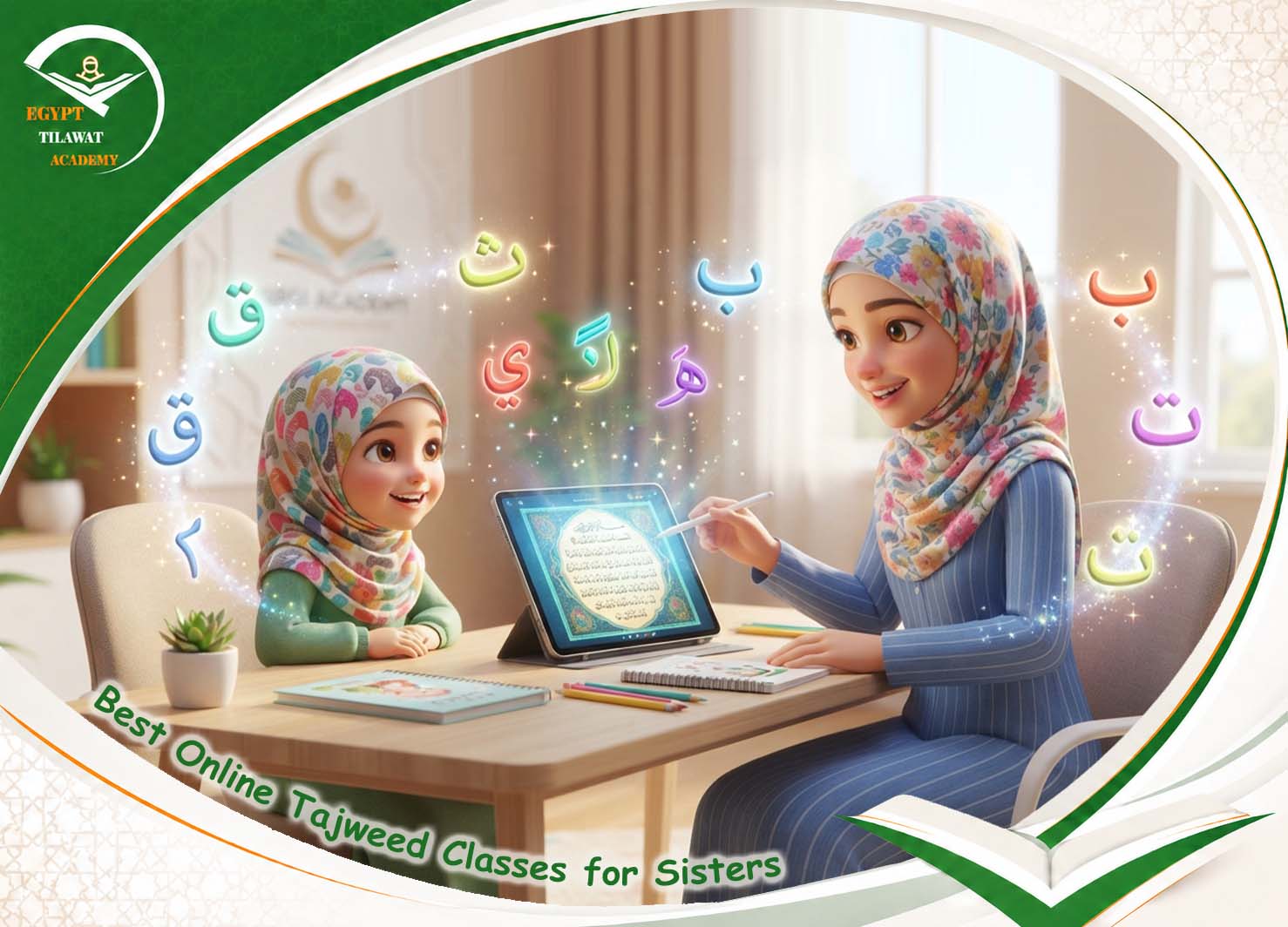
Online Tajweed classes for kids use sound-first methods, games, and short
20- to 30-minute sessions to teach correct Quranic pronunciation.
Tajweed classes for kids rely on a gamified approach to teach proper Arabic
letter articulation (Makharij) and recitation rules through interactive
lessons.
Online Tajweed classes for kids offer structured, engaging instruction to
help children master proper Quran pronunciation.
Led by expert tutors from Egypt or experienced Alimahs, these online classes
use interactive and sound-first methods tailored to young learners.
With flexible scheduling (3–5 times weekly), they focus on building correct
vocalization before introducing formal Tajweed rules.
Early exposure strengthens both recitation skills and spiritual connection
to the Quran.
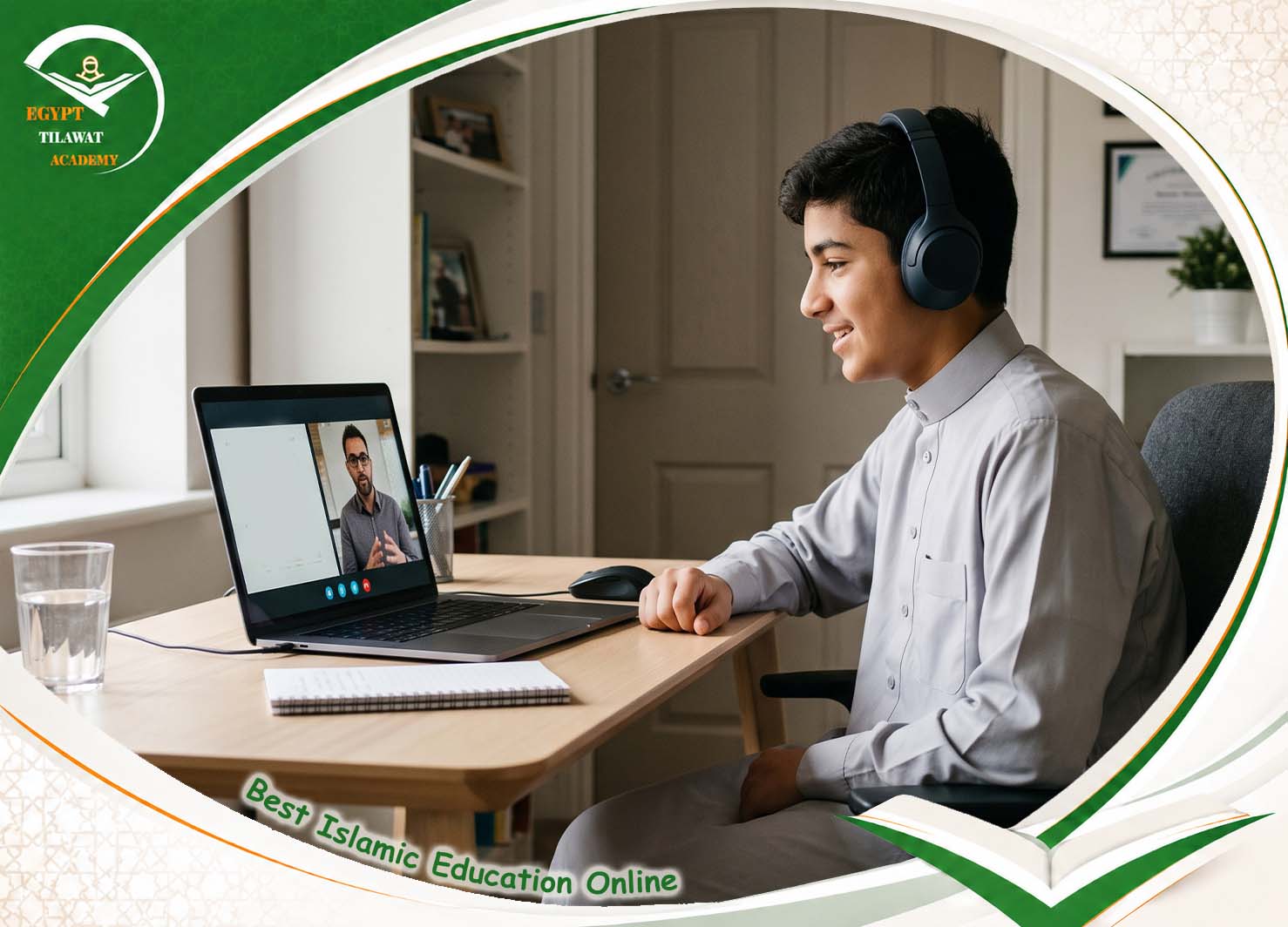
For families looking for convenient Quran education, tajweed classes for
kids are now available online with qualified teachers.
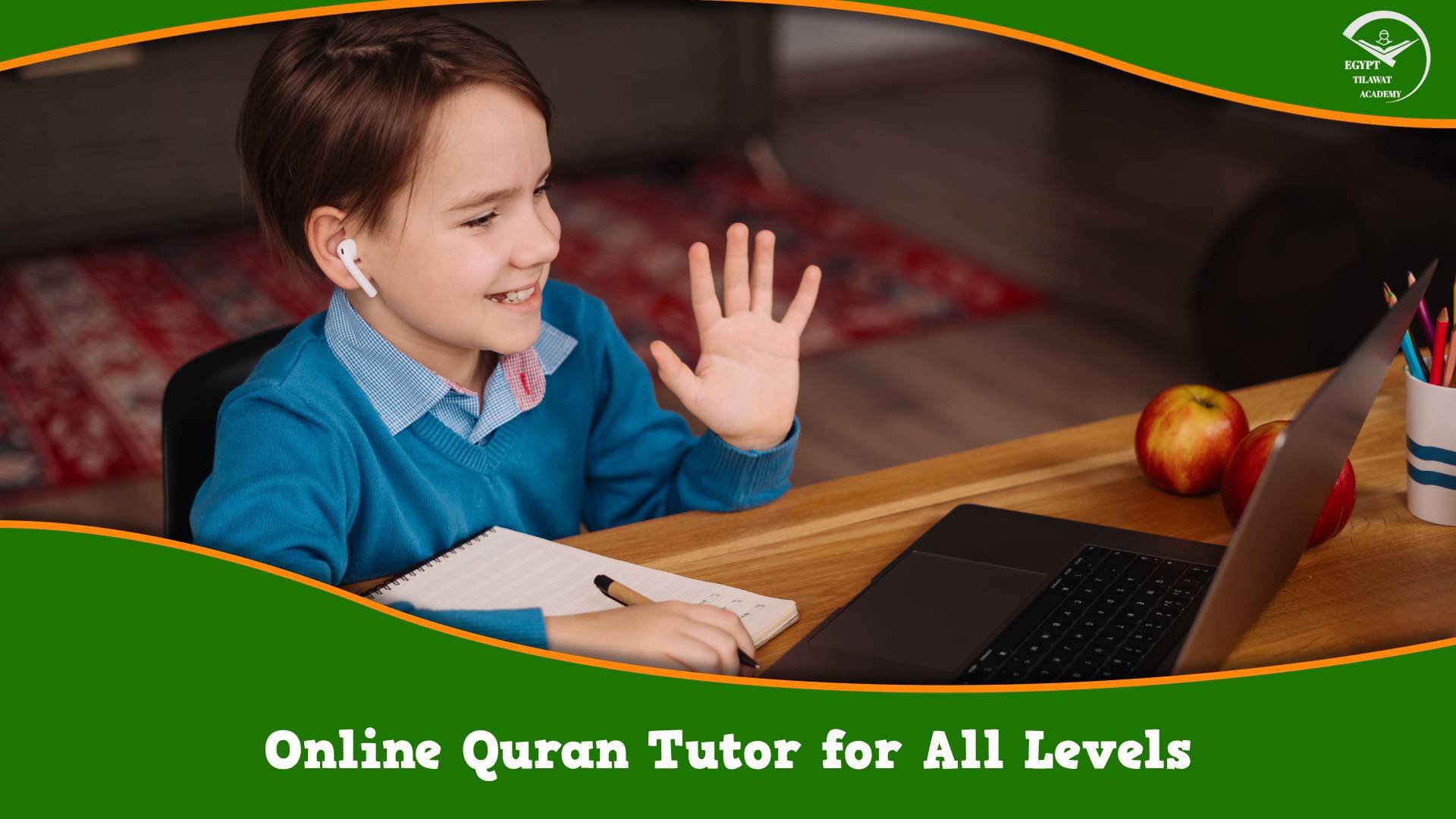
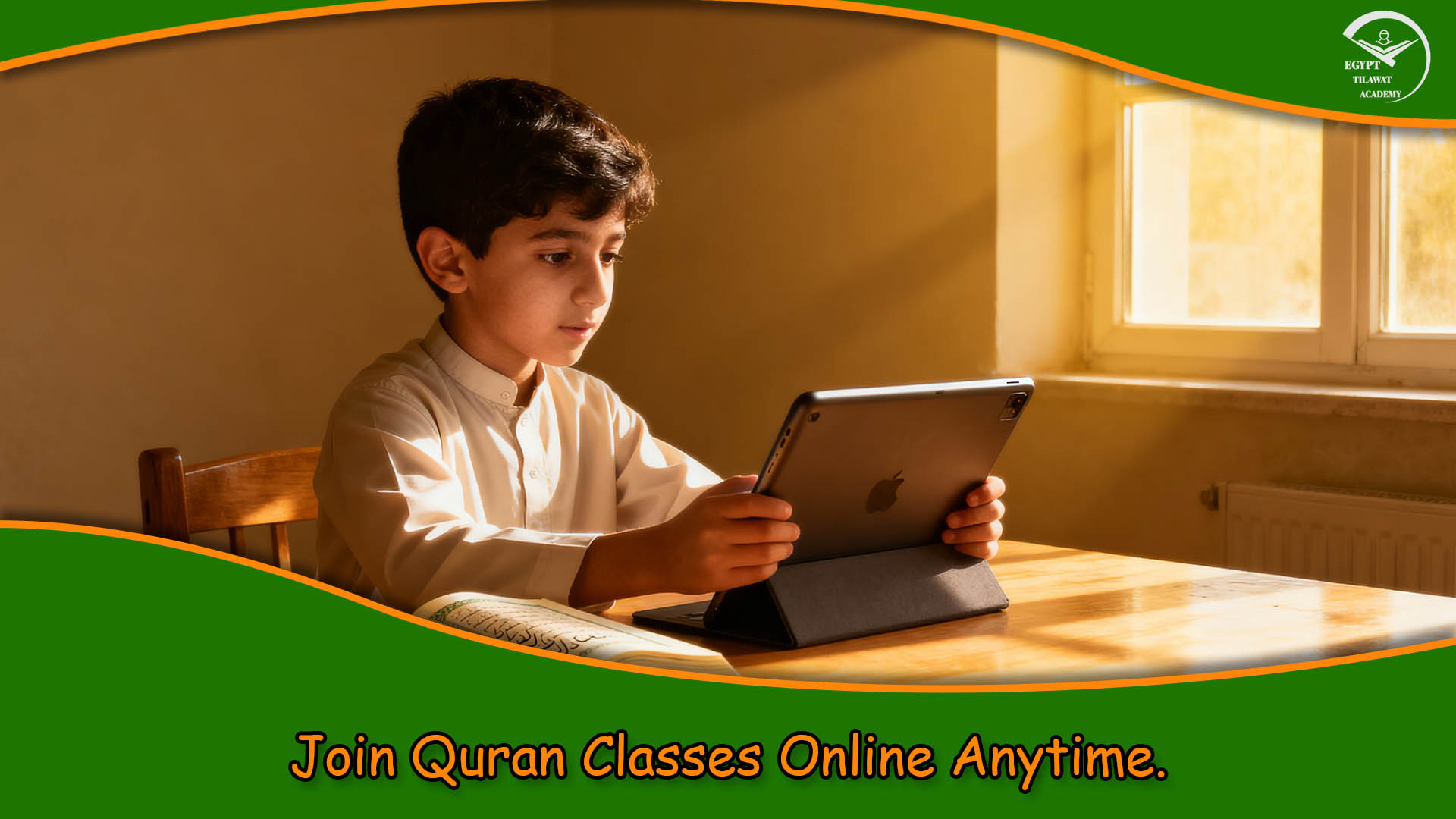
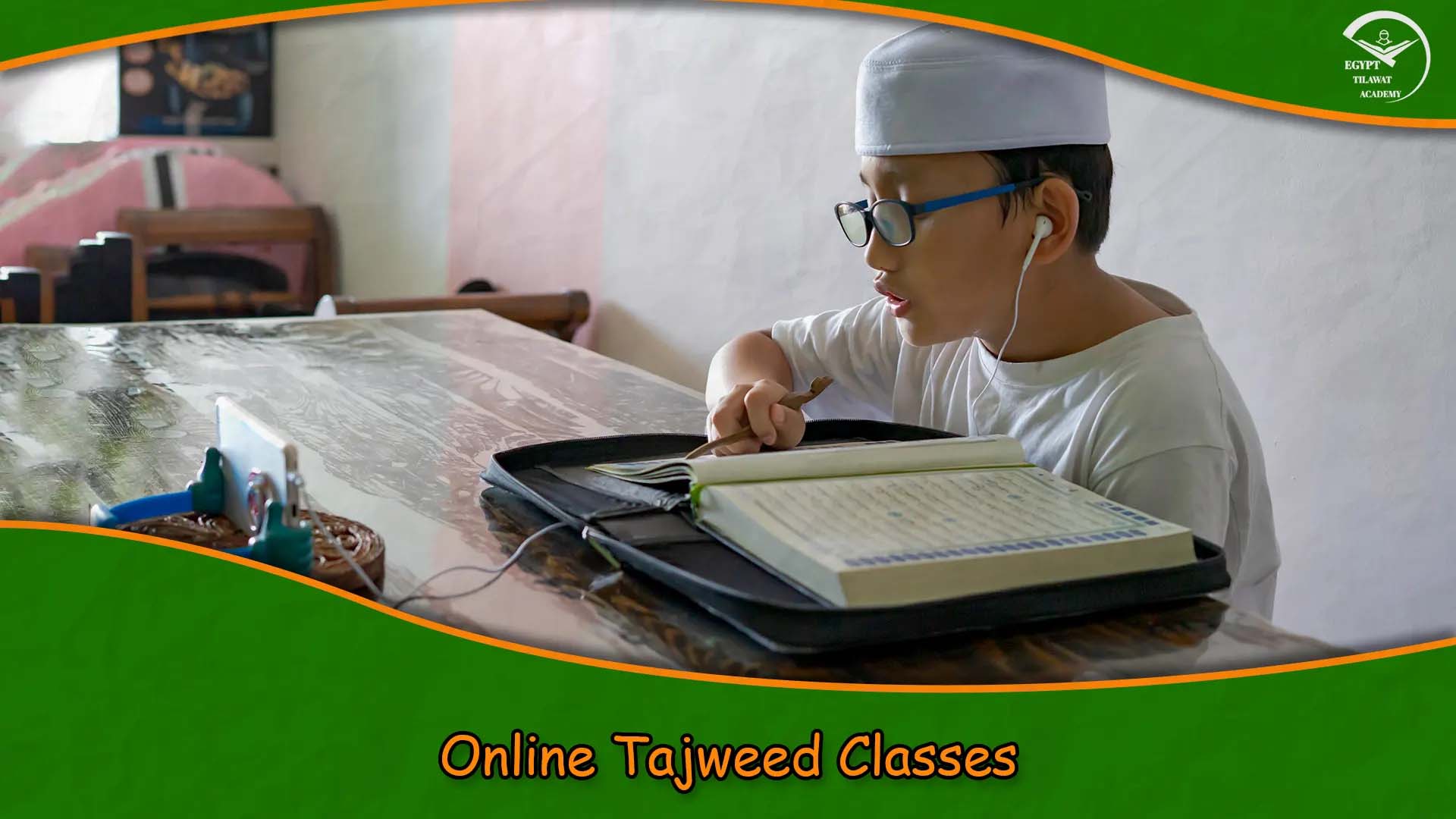
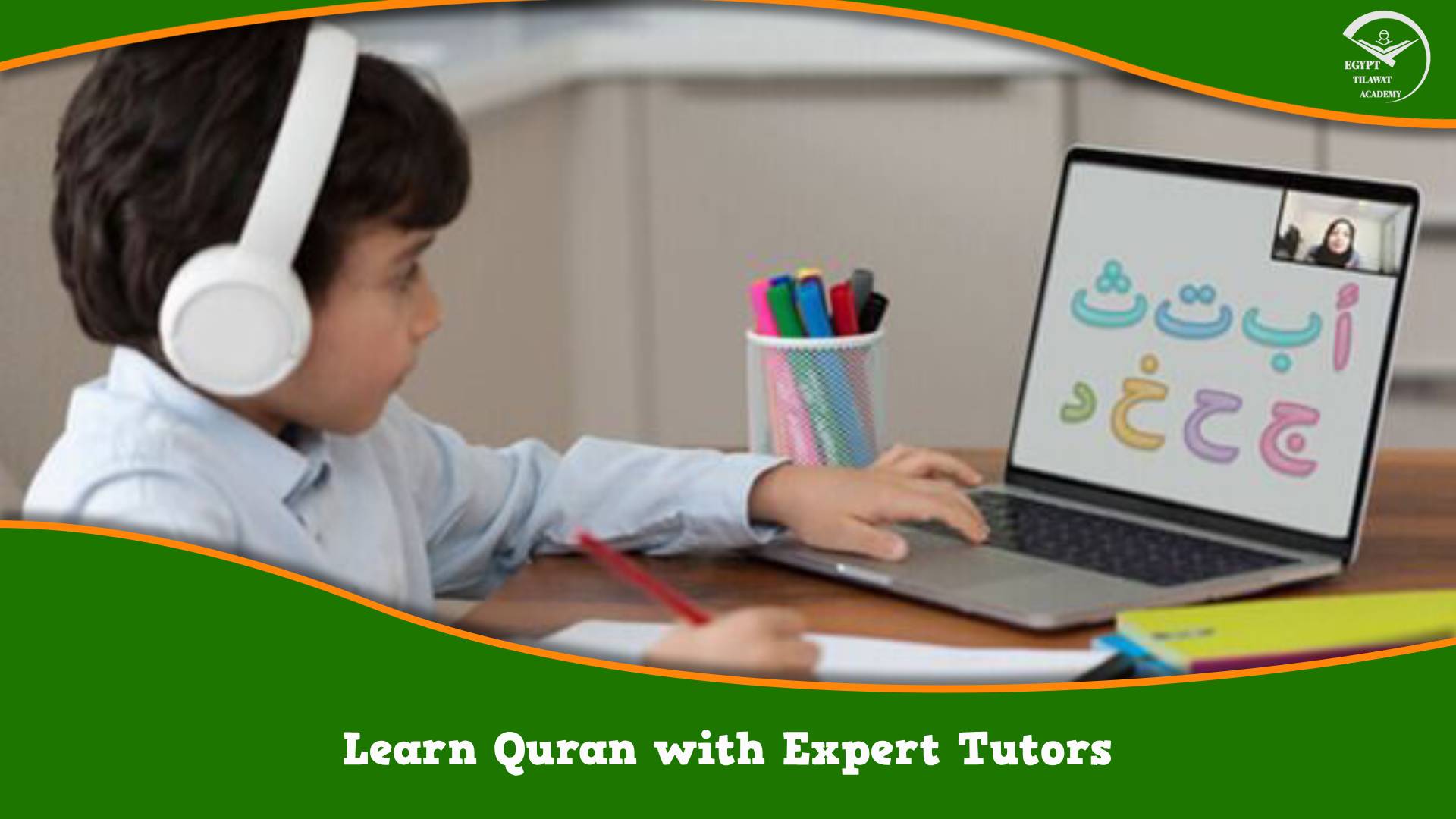
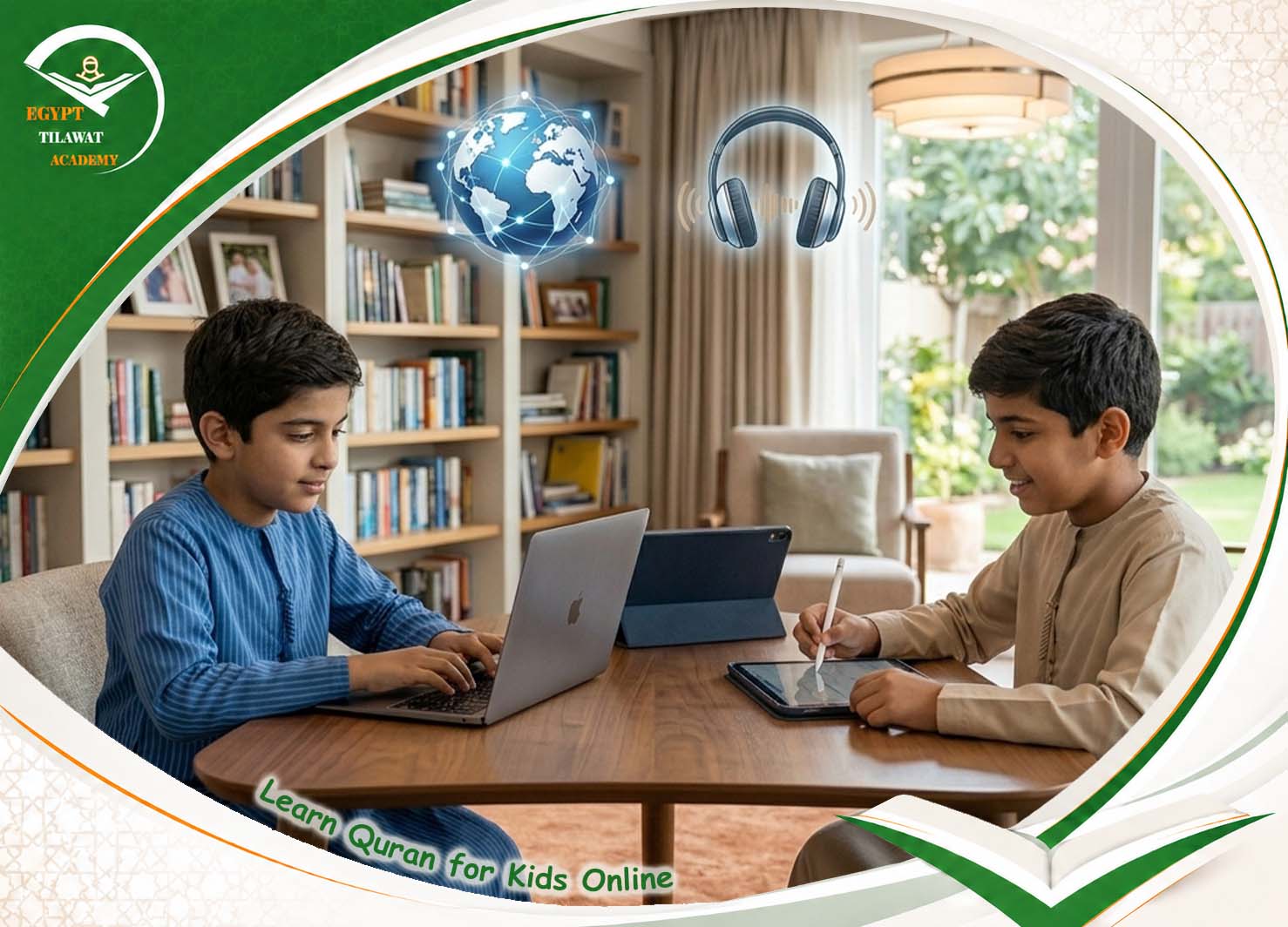
Children can attend lessons from home without traveling to a physical
academy.
With the right teacher and a child-friendly learning method, online lessons
can become both effective and enjoyable.
Egypt Tilawat Academy offers structured Quran learning designed to help
young learners build strong recitation skills.
Its approach can support children who are complete beginners as well as
those who already know how to read the Quran and want to improve their tajweed.
Whether your child is starting with Arabic letters or already reading
Quranic verses, the right tajweed classes for kids can provide step-by-step
guidance.
Parents can choose lessons that match their child’s age, level, schedule,
and learning needs.
With regular practice, children can gradually improve their pronunciation,
understand essential tajweed rules, and develop confidence in Quran recitation.
What Are Tajweed
Classes for Kids?
Tajweed classes for kids are Quran
lessons that teach children how to recite the Quran correctly according to
established tajweed principles.
The Arabic word “tajweed” relates to improving and
making something better.
In Quran learning, it refers to giving each Arabic
letter its correct pronunciation and characteristics while observing the rules
of recitation.
A good tajweed course for kids does not
expect children to master everything at once. Instead, lessons are introduced
gradually.
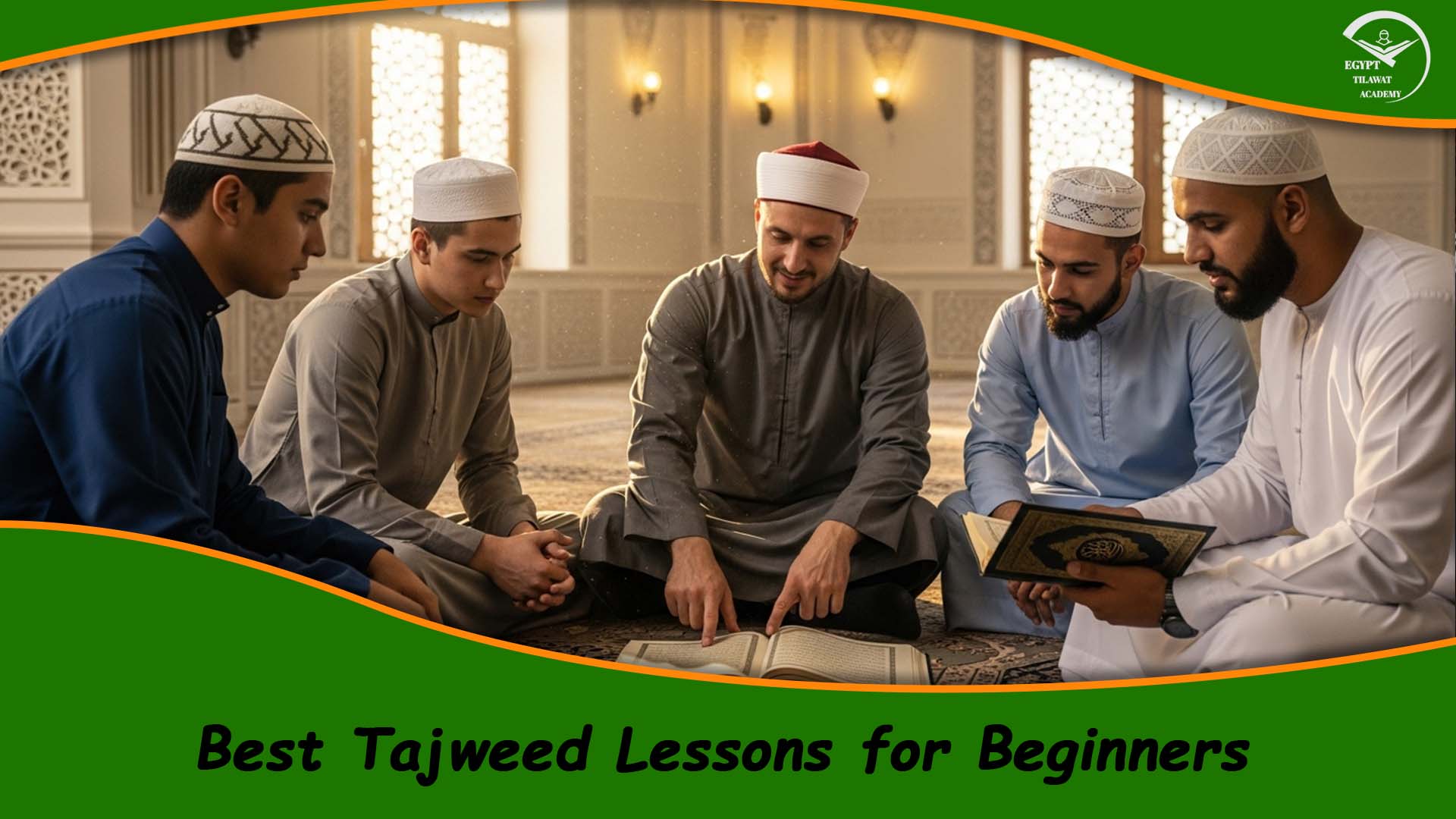
A teacher may begin by reviewing Arabic letters and
their sounds.
The child then learns articulation points, vowel sounds,
sukoon, shaddah, madd, and other basic concepts before moving toward more
advanced rules.
Online lessons can make this process easier for
families.
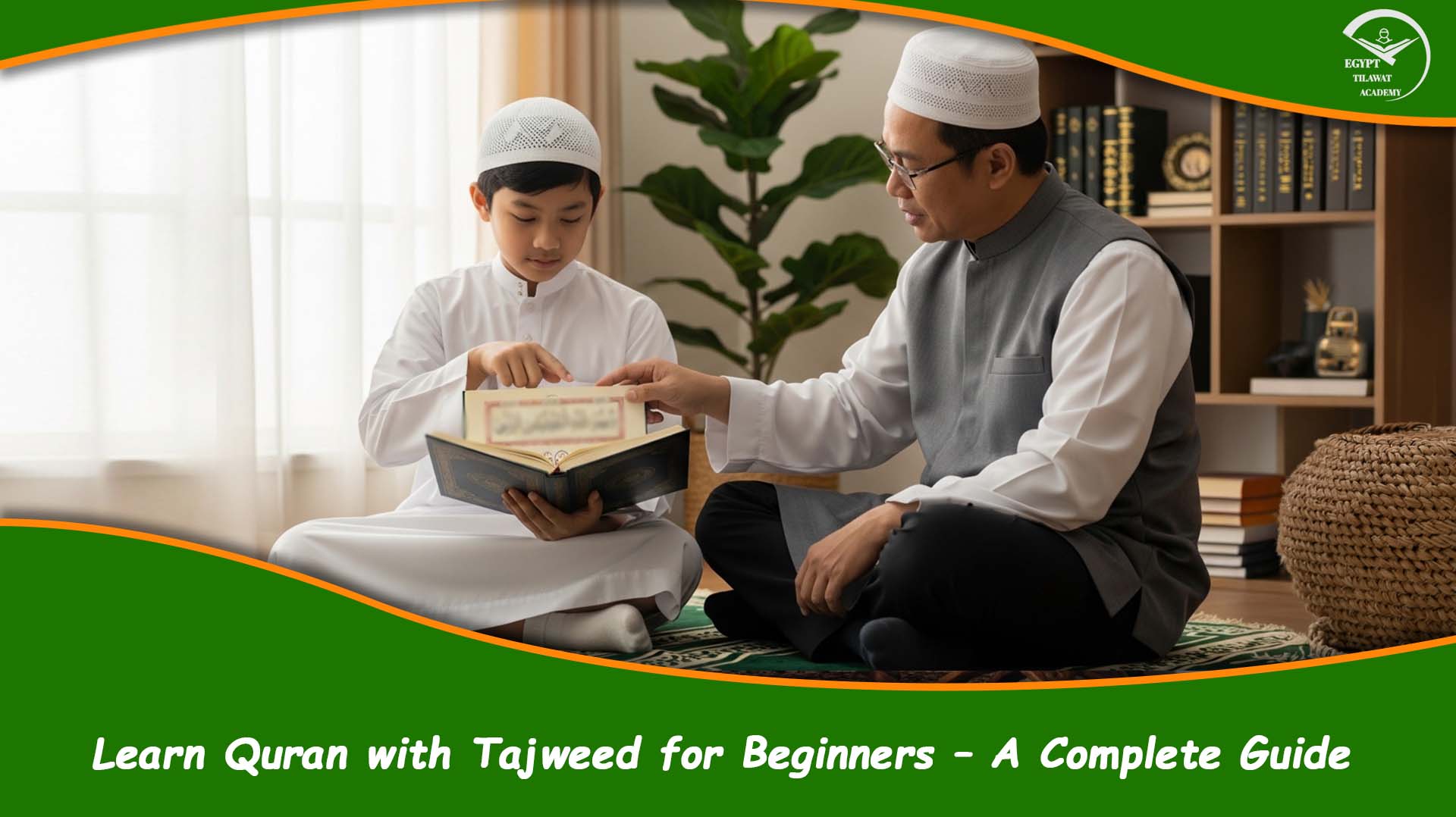
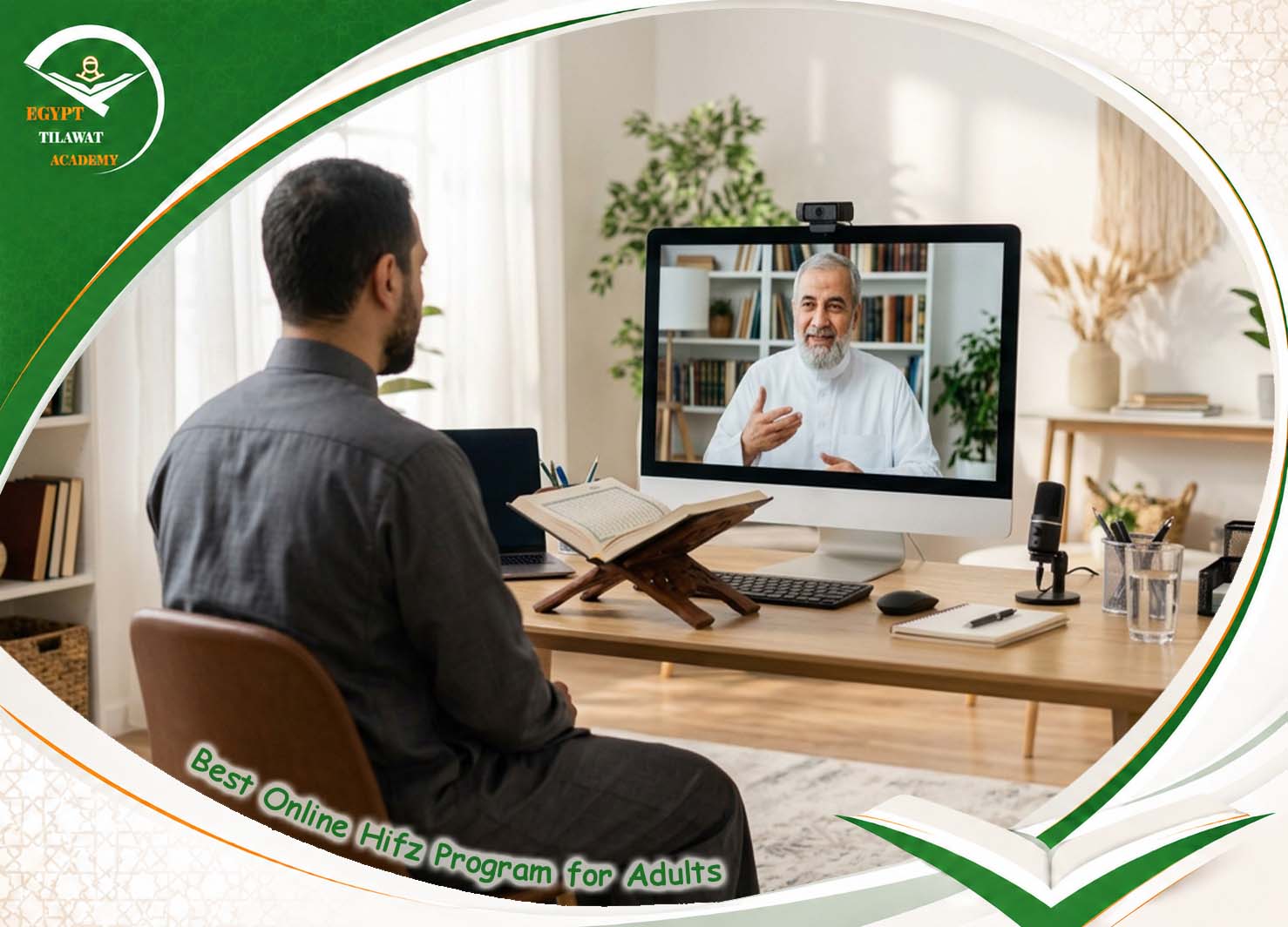
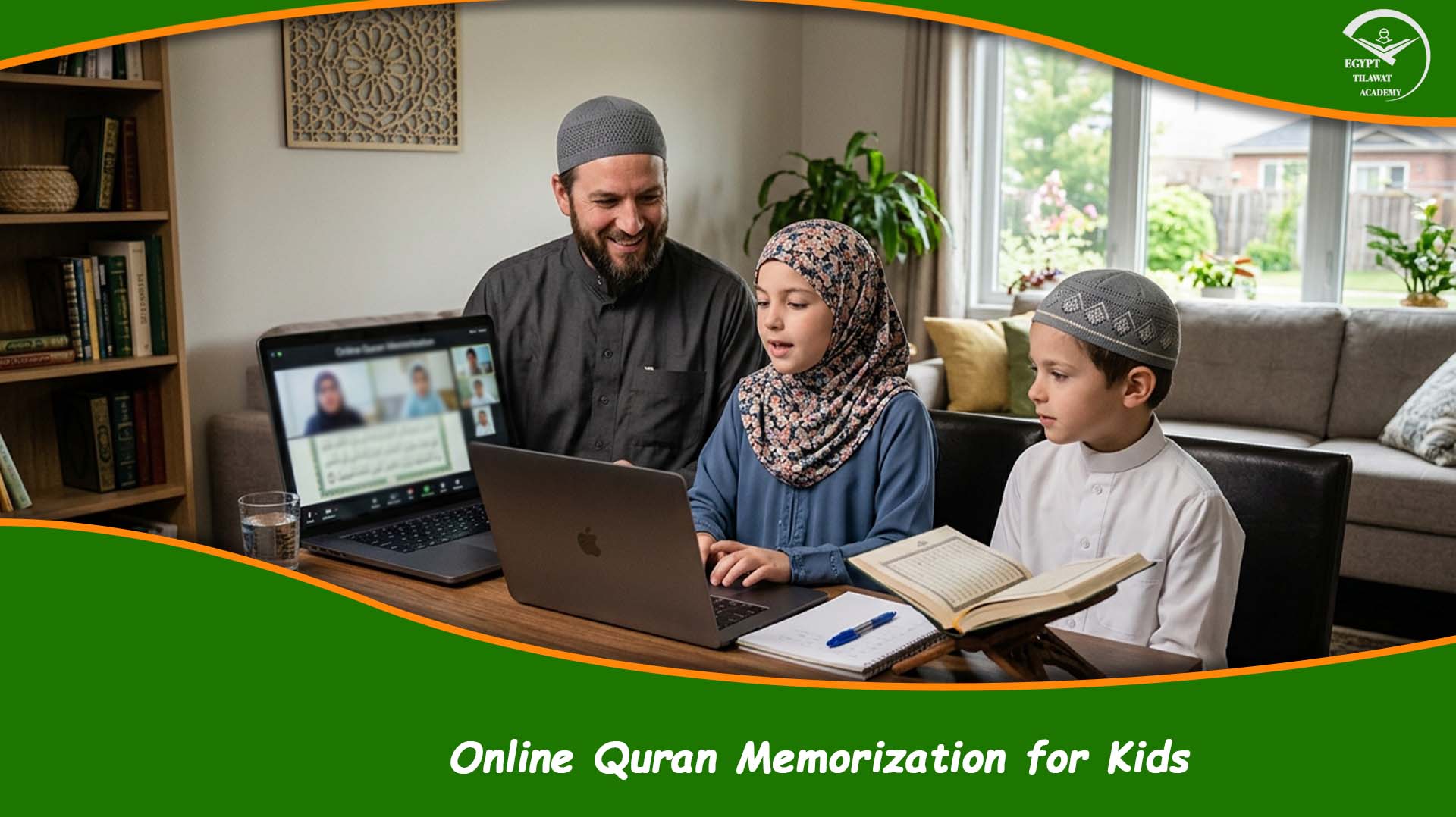
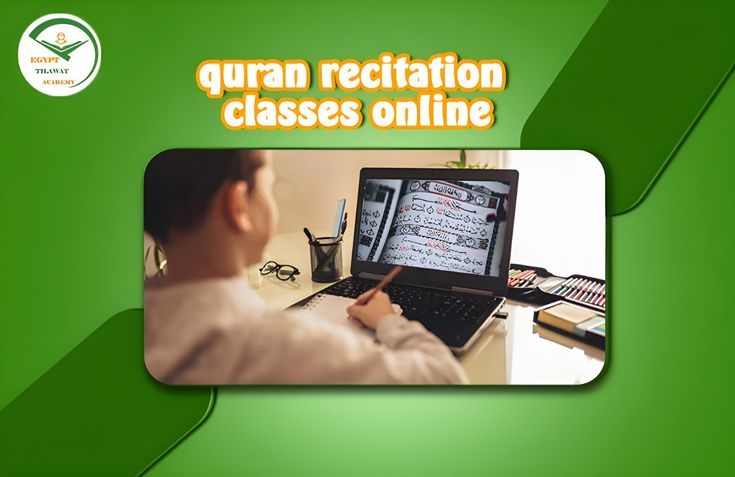
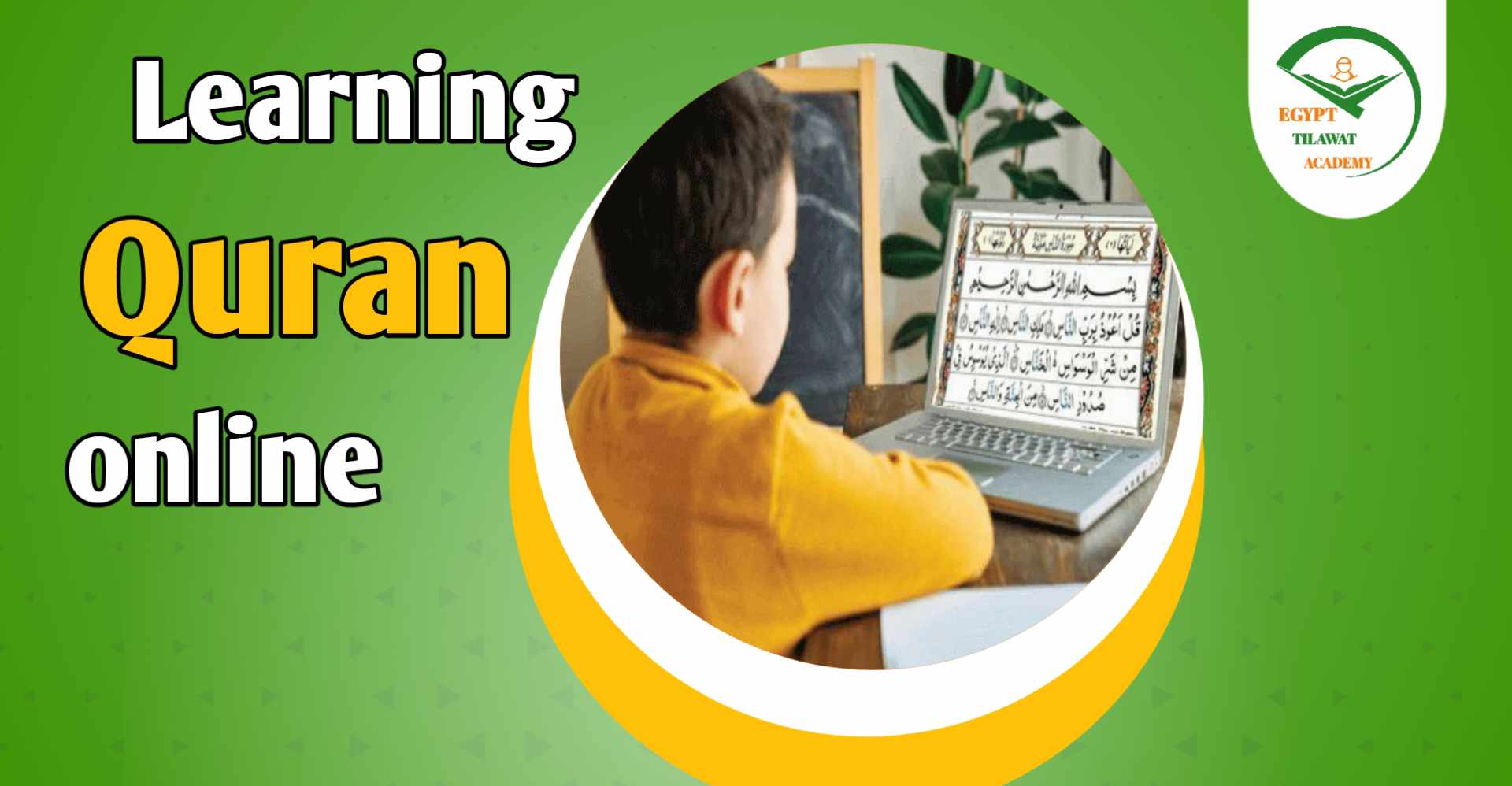
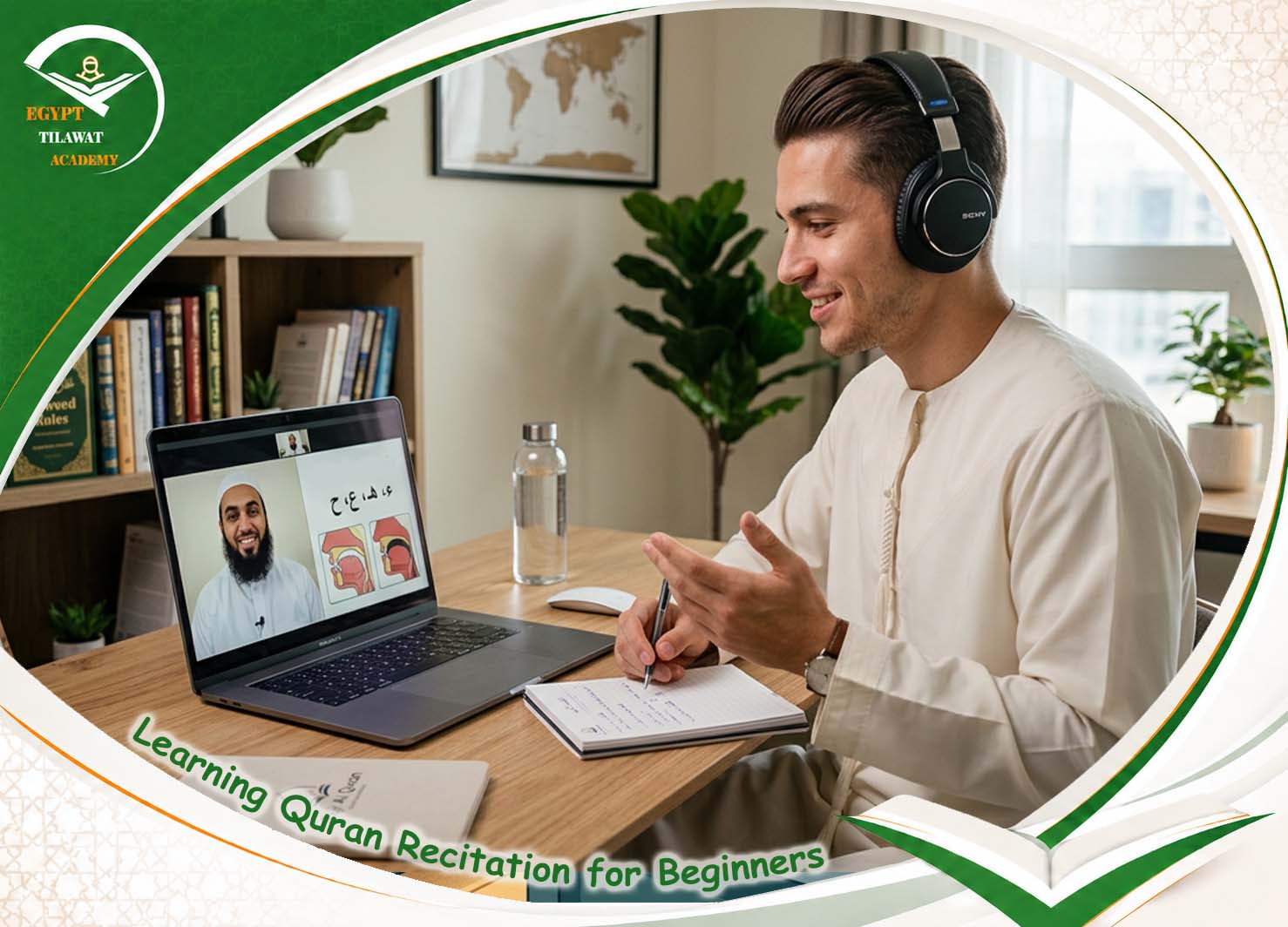
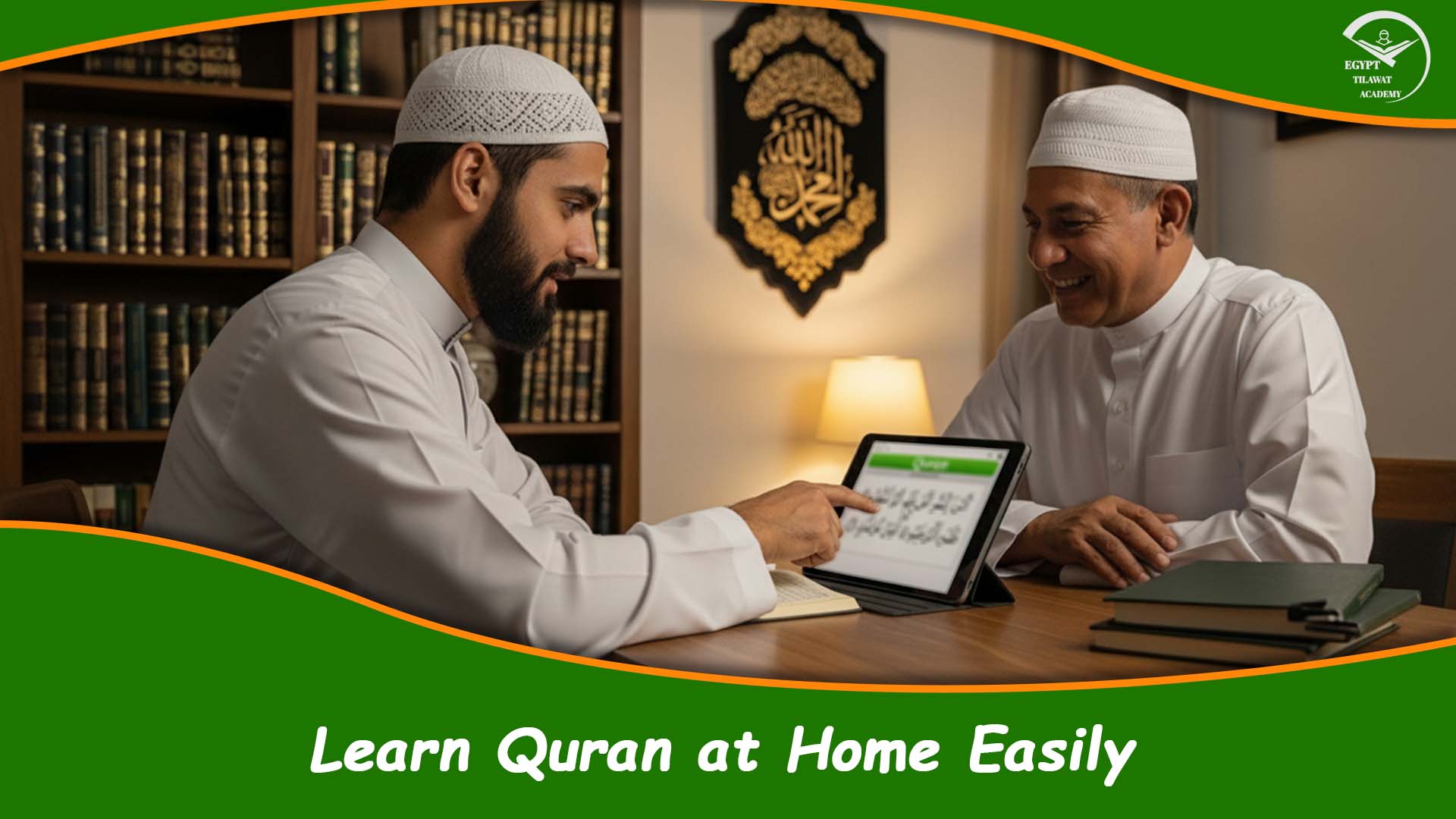
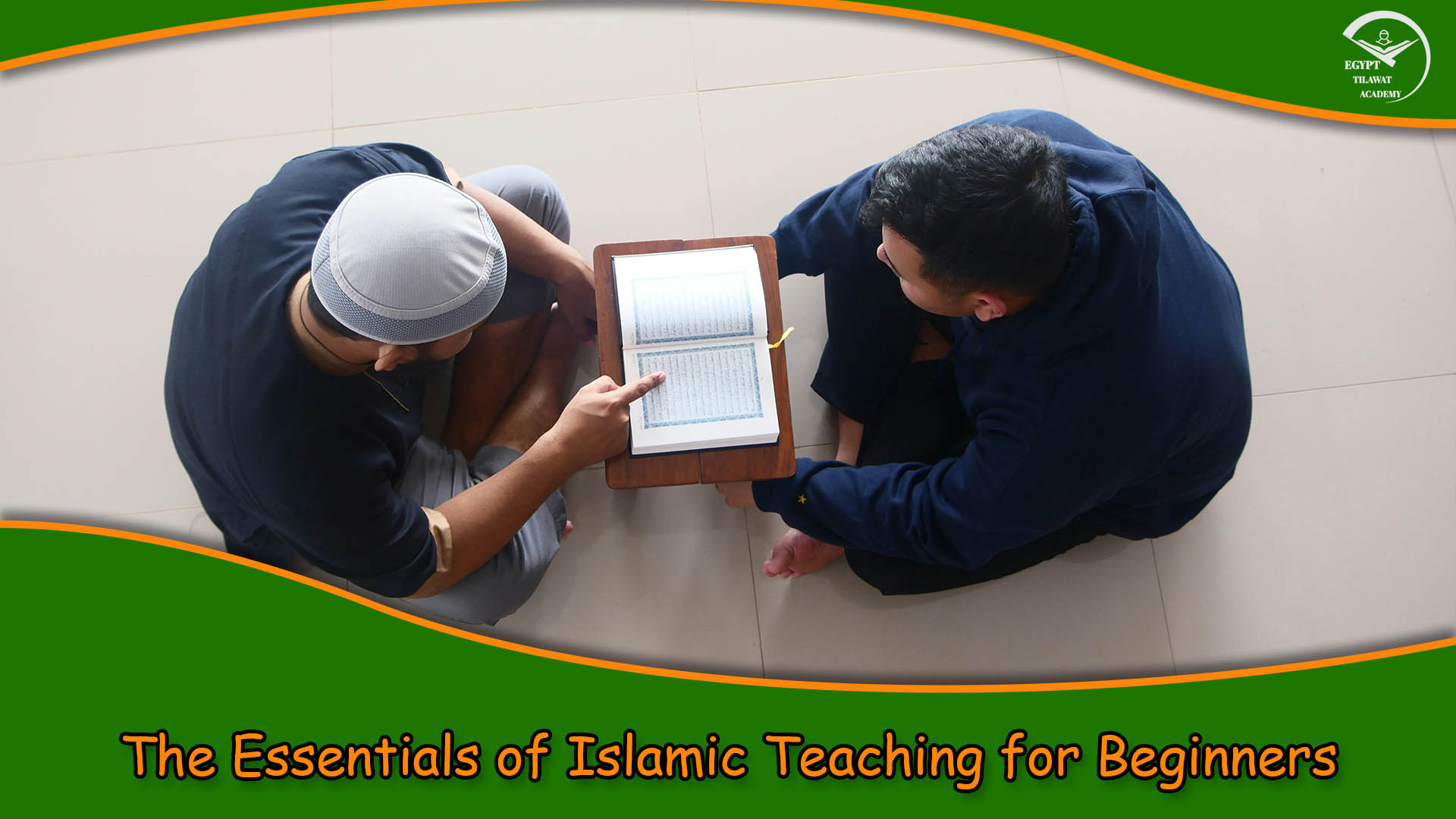
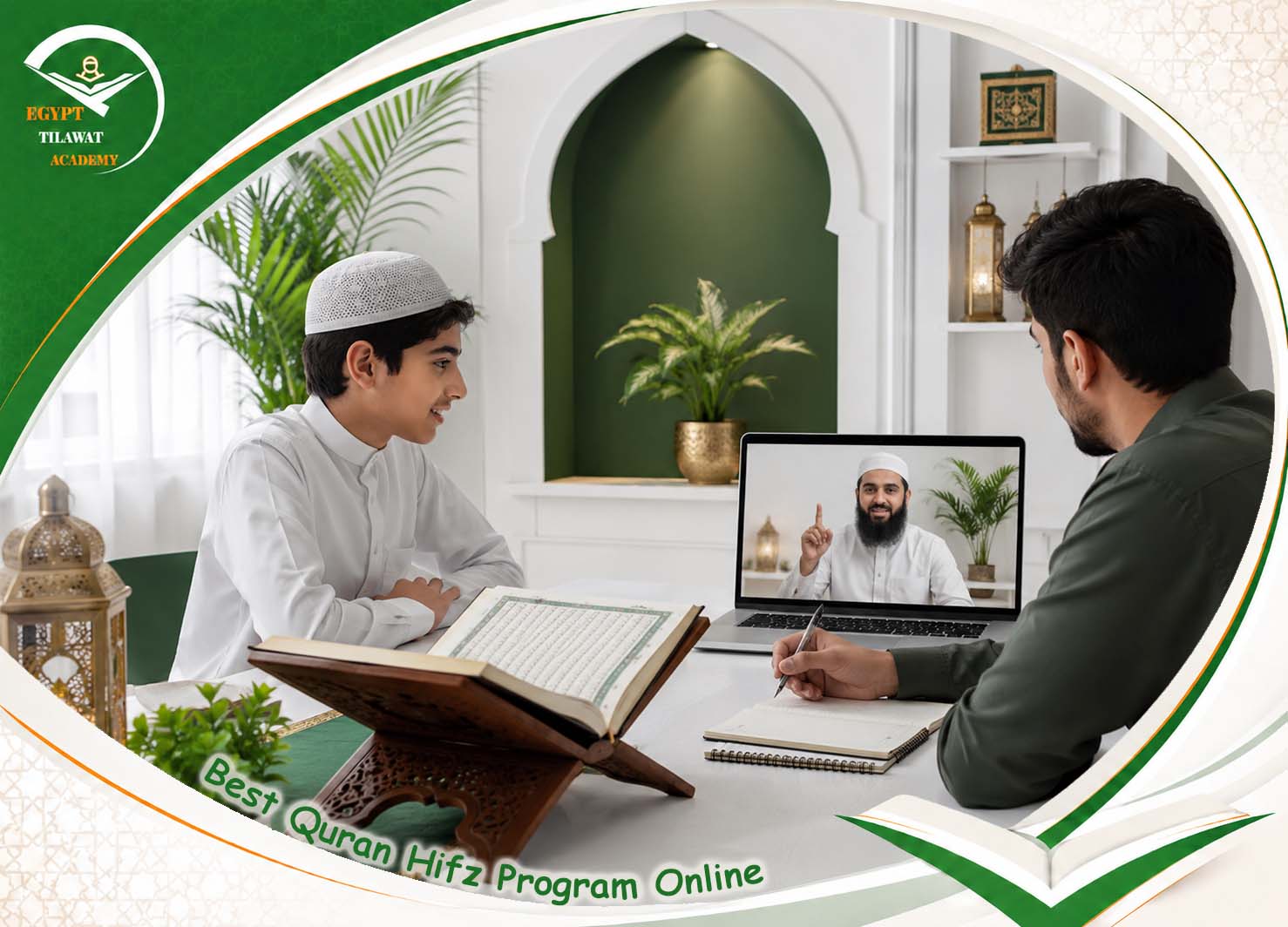
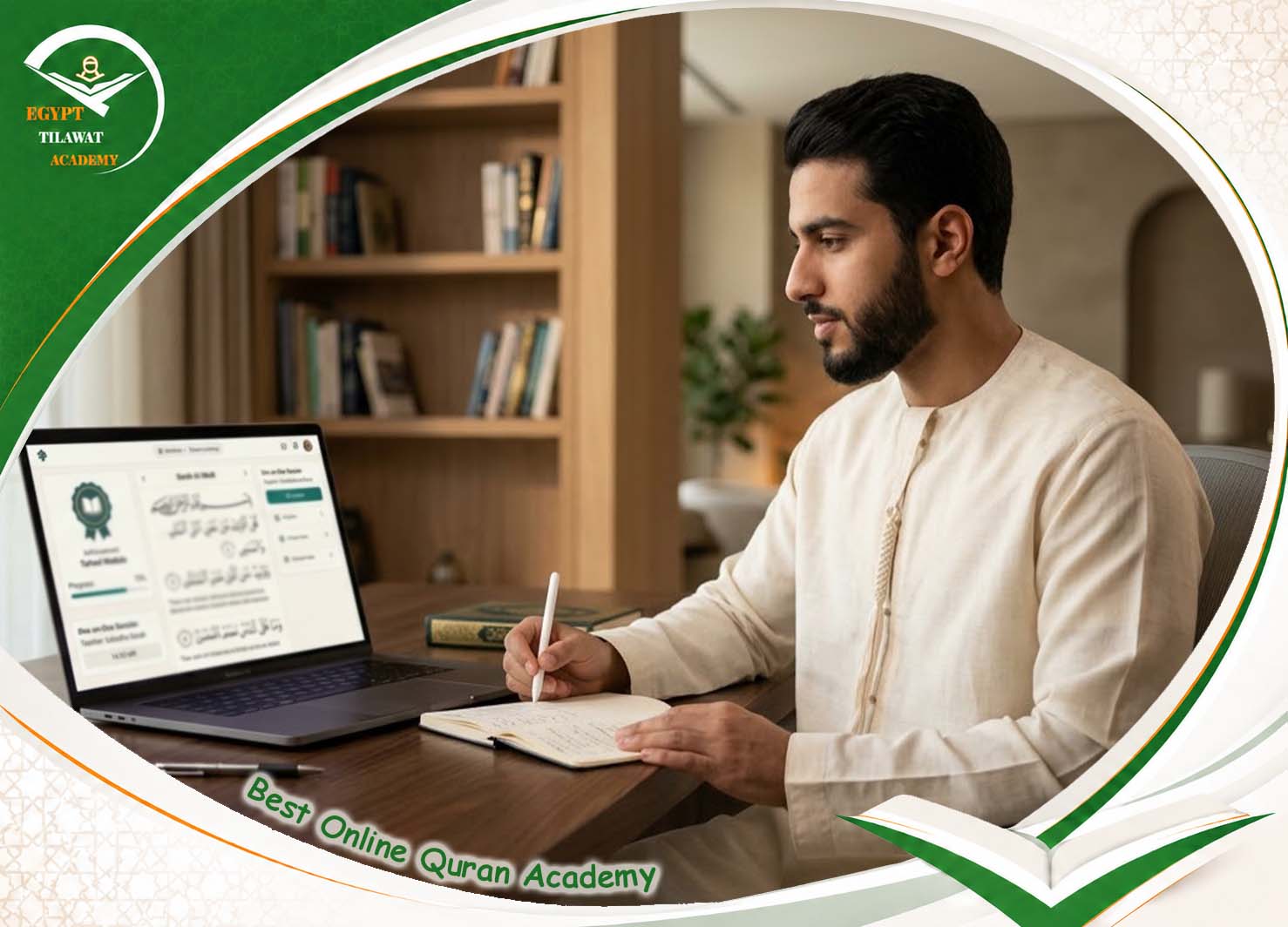
In online tajweed classes for kids, a
teacher can share a digital Quran, demonstrate pronunciation, listen to the
child’s recitation, and correct mistakes during the session.
This direct interaction is especially useful because
children need to hear and practice Quranic sounds repeatedly.
Effective tajweed classes should also
be age-appropriate.
Young learners need simple explanations and frequent
practice.
They may lose concentration during long lectures.
Therefore, successful online tajweed classes combine explanation, repetition, reading practice, and encouragement.
Children can benefit from:
- Step-by-step Quranic lessons.
- Individual pronunciation correction.
- Practice with makharij and articulation.
- Simple explanations of tajweed rules.
- Regular recitation exercises.
- Interactive activities suitable for young learners.
The goal of tajweed classes for kids is
not simply to finish a textbook.
It is to help children develop accurate and confident
Quran recitation that they can continue improving throughout their lives.
Importance of
Learning Quran Tajweed for Kids
Teaching tajweed at an early age gives children a strong
foundation for Quran reading.
When children learn correct pronunciation from the
beginning, they are less likely to develop persistent reading habits that are
difficult to correct later.
This makes tajweed classes for kids
valuable for both beginners and children who already read the Quran.
The Quran is revealed in Arabic, and many Arabic letters
have sounds that may be unfamiliar to children. A small pronunciation
difference can affect how a word sounds.
Tajweed helps children understand these differences and
learn how to pronounce letters from their proper makharij.
Tajweed classes for kids also help
children approach Quran recitation with care and respect.
Instead of rushing through verses, they learn to pay
attention to letters, sounds, pauses, elongations, and other features of
recitation.
For new Muslim families, these lessons can be especially
helpful.
Parents may not feel confident teaching Arabic
pronunciation themselves.
A qualified teacher can provide guidance and create a
structured learning path.
Adults who are beginners can also study alongside their
children or take separate lessons to strengthen their own Quran reading.
The importance of tajweed classes for kids
can be seen in several areas:
- They develop accurate Quran pronunciation.
- They introduce children to important recitation rules.
- They improve confidence when reading aloud.
- They strengthen Arabic articulation skills.
- They encourage careful and respectful Quran reading.
- They create a foundation for advanced Quran study.
Early learning can also make tajweed feel natural.
With regular online tajweed practice,
children gradually become familiar with the rules.
Instead of treating tajweed as a difficult subject, they
can see it as a normal part of Quran recitation.
Benefits of Tajweed
Classes for Kids
There are many reasons parents choose tajweed
classes for kids instead of relying only on informal Quran reading at
home.
One of the biggest benefits is personalized correction.
A child may not realize that a particular Arabic letter
is being pronounced incorrectly.
A trained tutor can identify the issue and demonstrate
the correct sound.
Another benefit is consistency.
Regular tajweed classes encourage
children to practice according to a clear routine.
Each session can build on the previous one.
This helps young learners remember what they have
studied and gradually improve their recitation.
Tajweed classes for kids can also make
Quran learning more engaging.
Interactive lessons allow children to participate rather
than simply listen.
A teacher may ask the child to identify a tajweed rule,
repeat a sound, read a short passage, or correct an example.
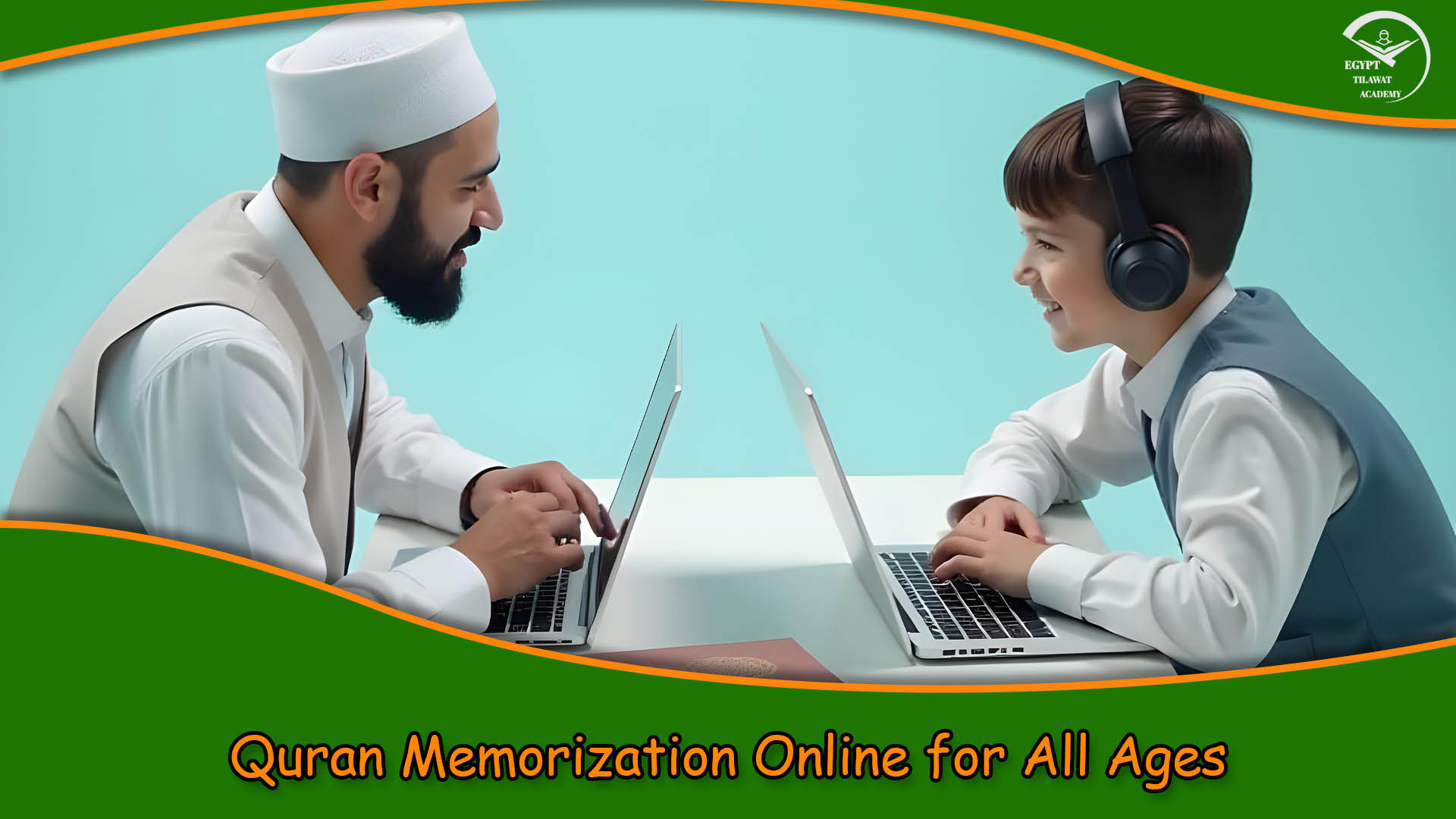
Online education provides additional convenience.
Parents can arrange classes online for kids
without spending time traveling to an academy.
Children can learn from a familiar environment, which
may help them feel comfortable during their lessons.
Important benefits include:
- Better pronunciation and articulation.
- Stronger understanding of Quran reading rules.
- Increased confidence in recitation.
- Individual attention from expert tutors.
- Flexible learning from home.
- Regular feedback and correction.
- A positive and enjoyable learning experience.
For children who want to master Quran
recitation, consistency matters more than speed.
A short, focused session several times a week can be
more productive than an occasional long lesson.
This is why well-planned online tajweed classes
can support steady progress.
The benefits can continue beyond childhood.
When children build good recitation habits early, they
carry those skills into adolescence and adulthood.
Tajweed classes for kids can therefore
become the beginning of a lifelong relationship with the Quran.
Best Features of
Online Tajweed Classes for Kids
The best tajweed classes for kids
combine qualified teaching with a learning environment that children can enjoy.
Online education works especially well when lessons are
designed around the needs of young learners rather than simply copying an adult
Quran course.
A strong online tajweed classes program
should begin with an assessment.
The teacher needs to know whether the child can
recognize Arabic letters, read words, understand basic harakat, and pronounce
common Quranic sounds.
This allows the tutor to select an appropriate starting
point.
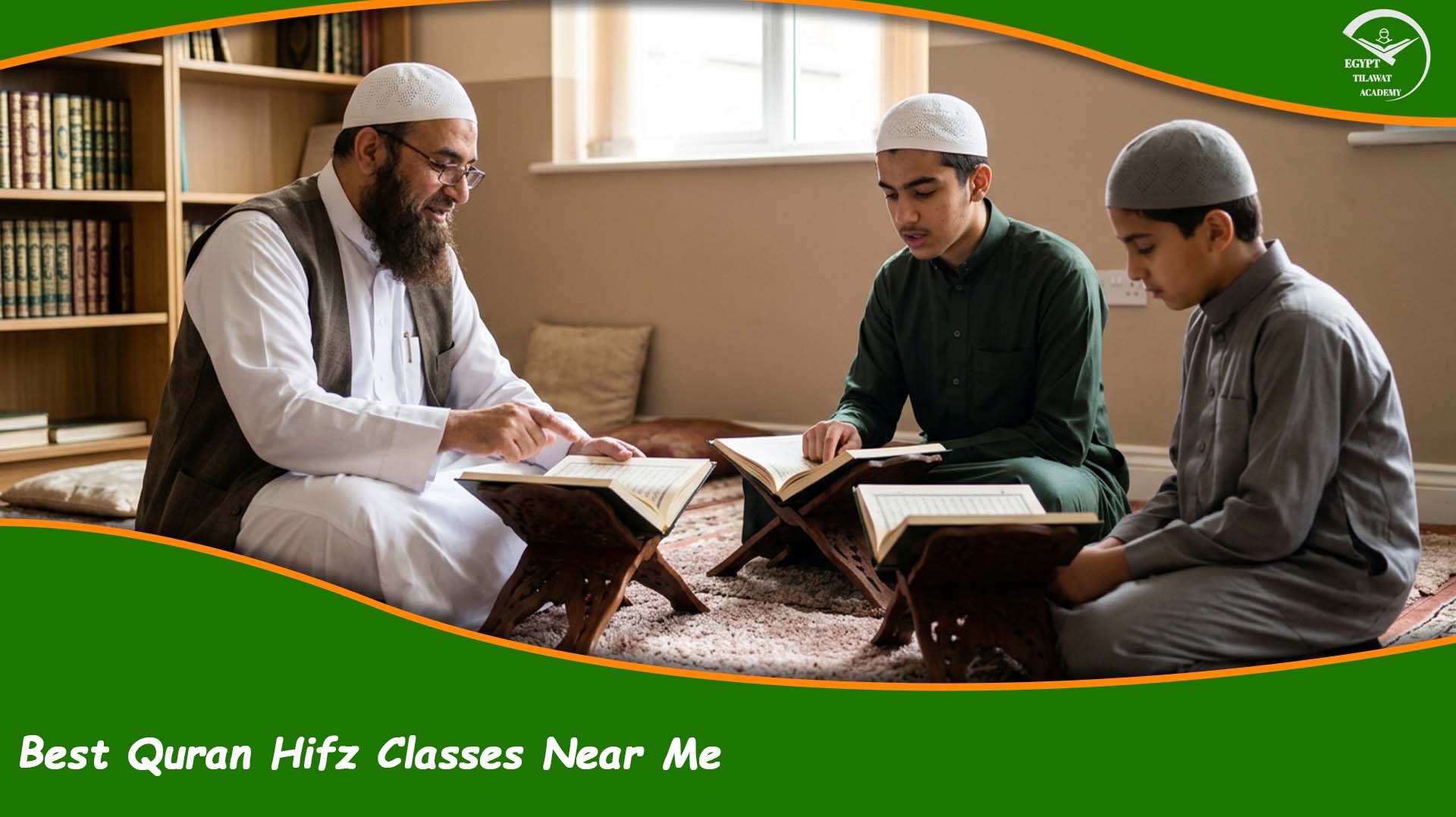
In online tajweed classes for kids,
one-to-one instruction can be particularly useful.
The teacher can listen closely to every word and
immediately identify mistakes.
Children receive direct feedback instead of waiting for
a group lesson.
Another important feature is an interactive approach.
Young learners often respond better to short activities
than lengthy explanations.
A teacher can use repetition, examples, reading
exercises, and simple questions to keep the session engaging.
Parents should look for:
- Qualified and experienced Quran teachers.
- Lessons designed specifically for children.
- One-to-one or small-group learning options.
- Regular progress assessment.
- Flexible session times.
- Clear communication with parents.
- A safe and respectful learning environment.
- Structured tajweed lessons from basic to advanced
levels.
Good tajweed classes for kids should
also use simple language.
A child does not need complicated terminology to begin
learning.
The teacher can introduce Arabic and Quranic concepts
gradually and explain each rule with practical examples.
Egypt Tilawat Academy can be considered
by families seeking structured Quran education.
A child-focused learning approach can help learners
develop their recitation skills while receiving guidance from experienced
tutors.
The best tajweed classes for kids
should ultimately balance accuracy with enjoyment.
Children should leave each session feeling that they
have learned something useful and that Quran learning is a positive experience.
Flexible Quran
Tajweed Classes for Busy Families
Modern family schedules can be demanding.
Parents may have work, school, household
responsibilities, and other commitments.
Finding time for traditional Quran lessons can sometimes
be difficult.
This is one reason tajweed classes for kids
have become an attractive option for families seeking flexibility.
Online learning allows children to attend lessons from
home.
Parents can select a session that fits around school,
homework, family activities, and other responsibilities.
This flexibility can make Quran education easier to
maintain.
Tajweed classes for kids can also
reduce the practical challenges of traveling to a physical academy.
There is no need to arrange transportation for every
lesson.
A child can prepare for class at home and join the
teacher online at the scheduled time.
Flexible online classes for kids can be
especially useful for families living in countries where local Quran teachers
are limited.
Parents can connect their children with qualified tutors
regardless of where they live.
A useful schedule may include:
- Short and focused sessions.
- Several lessons each week.
- Regular revision days.
- A fixed lesson time when possible.
- Extra practice at home.
- Occasional progress reviews.
The purpose of flexibility is not to reduce the
importance of consistency.
Children still need a routine to improve.
Tajweed classes for kids work best when
lessons and home practice become part of the child’s weekly schedule.
Parents can also support learning by creating a quiet
study space.
The child should have a stable internet connection and
the materials needed for the lesson.
Even a simple routine can make a significant difference.
With tajweed classes online, families
can build Quran learning into their existing lifestyle.
This makes online education a practical choice for busy
parents who want their children to learn Quran without adding unnecessary
travel and scheduling pressure.
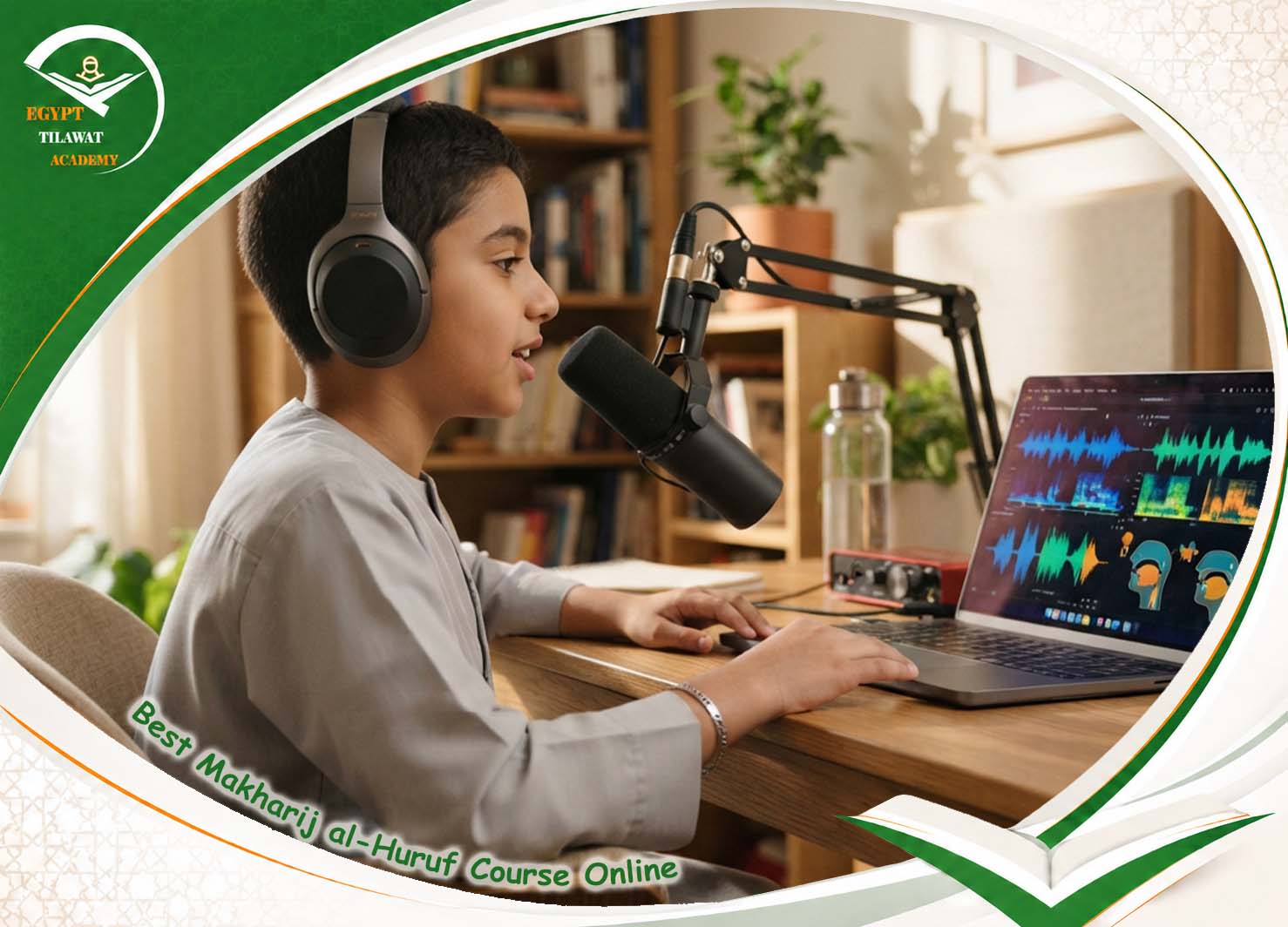
Improve Makharij
and Quran Pronunciation for Kids
Correct pronunciation is at the heart of tajweed
classes for kids.
One of the first areas children need to develop is
makharij.
Makharij refers to the articulation points from which
Arabic letters are pronounced.
Understanding these points helps children distinguish
between letters that may sound similar.
For example, some Arabic letters require the tongue to
touch specific areas of the mouth, while others are produced from the throat or
lips.
Children who are not familiar with Arabic may need extra
practice to produce these sounds accurately.
In tajweed classes for kids, the
teacher can demonstrate each sound and then ask the child to repeat it. The
tutor listens carefully and corrects.
This process is especially valuable because
pronunciation cannot always be learned effectively through reading alone.
Tajweed classes should give children
enough time to practice.
A child may understand a rule but still struggle to
apply it during recitation.
Repetition helps turn knowledge into a natural reading
habit.
Teachers can focus on:
- Arabic letter articulation.
- Correct movement of the tongue and lips.
- Throat and mouth sounds.
- Similar Arabic letters.
- Clear pronunciation of Quranic words.
- Applying tajweed rules during recitation.
For beginners, tajweed classes for kids
should introduce articulation slowly.
Children should not feel pressured to pronounce every
sound perfectly in a single lesson.
Improvement comes through regular practice and patient
correction.
Parents may notice that pronunciation becomes clearer
after consistent lessons.
As children become more comfortable with Arabic sounds,
they can read Quranic words with greater confidence.
The goal of tajweed classes for kids is
accurate, beautiful, and respectful recitation.
With expert guidance and repeated practice, children can
gradually improve their articulation and develop stronger Quran reading skills.
Key Tajweed Rules
Every Child Should Learn
A good tajweed course for kids introduces important
rules in a logical order.
Children do not need to learn every advanced topic
immediately.
The teacher should select rules according to the child's
reading level and gradually increase the difficulty.
One important area is the correct pronunciation of
letters.
Children also need to understand harakat, including the
short vowel sounds used in Arabic.
From there, they can begin learning sukoon, shaddah, and
madd.
As children progress, tajweed classes for kids may
introduce rules related to noon sakinah and tanween, meem sakinah, qalqalah,
and different types of madd.
The teacher should explain each rule through Quranic
examples rather than relying only on definitions.
Common areas include:
- Makharij and characteristics of Arabic letters.
- Harakat and basic vowel sounds.
- Noon sakinah and tanween.
- Meem sakinah.
- Qalqalah.
- Madd and elongation.
- Rules of stopping and starting.
- Clear and correct Quranic recitation.
Tajweed classes for kids should focus on practical
application.
Children need to see a rule, hear it, repeat it, and
then use it while reading.
This approach can make lessons easier to understand.
For younger learners, teachers can introduce one
concept at a time.
Short explanations followed by reading practice are
often easier to remember than long theoretical lessons.
Parents should also understand that every child
learns at a different pace.
One child may quickly understand madd while another
may need more practice with Arabic articulation.
Good online tajweed classes allow teachers to adjust
the pace according to the learner.
Tajweed Classes for
Kids with Expert Quran Teachers
A qualified teacher can make a major difference in tajweed
classes for kids.
Children need more than a lesson plan.
They need someone who can listen carefully, explain
concepts clearly, correct pronunciation, and encourage them when they make
mistakes.
Expert tutors understand that children have different
personalities and learning styles.
Some children are confident and talkative. Others may be
shy or hesitant to read aloud.
An experienced teacher can adjust the lesson to help
each child participate comfortably.
In tajweed classes for kids, teachers
should also understand Quranic pronunciation and Arabic articulation.
Certification, experience, and strong Quran recitation
skills can help parents feel more confident about the quality of instruction.
A strong teacher should:
- Have sound Quran recitation and tajweed knowledge.
- Explain lessons in child-friendly language.
- Listen carefully to pronunciation.
- Correct mistakes with patience.
- Encourage children during difficult lessons.
- Track progress over time.
- Adapt lessons to the child's level.
Egypt Tilawat Academy provides an
option for families looking for organized Quran learning with experienced
tutors.
The academy can support learners at different stages,
from beginners developing basic reading skills to children working on stronger
tajweed and recitation.
The teacher-student relationship is especially important
in online tajweed classes.
Because the lesson takes place through a screen, the
tutor must keep the child engaged and involved. A friendly, interactive
teaching style can make a significant difference.
Parents should also look for clear communication.
Teachers or the academy should be able to explain what
the child is learning, where improvement is needed, and what practice to complete between sessions.
When children learn with patient and knowledgeable
tutors, tajweed classes for kids can become an enjoyable part
of their weekly routine rather than a task they want to avoid.
How to Choose the
Best Tajweed Classes for Kids
Choosing the right tajweed classes for kids requires
more than selecting the first academy that appears in a search.
Parents should consider the teacher's qualifications,
the course structure, lesson flexibility, teaching style, and the child's
individual needs.
Start by checking whether the program is actually
designed for children.
A course created for adults may contain explanations
that are too complex for young learners.
Tajweed classes for kids should use age-appropriate
lessons and provide enough repetition.
Look for qualified Quran tutors who have experience
teaching children.
The tutor should be able to explain Arabic
pronunciation, makharij, and tajweed rules clearly.
Parents should also ask how progress is measured.
A reliable tajweed course for kids should have a clear
learning path.
The child should gradually move from basic pronunciation
to practical application during Quran recitation.
Key Factors worth considering include:
- Teacher qualifications and experience.
- Child-friendly teaching methods.
- One-to-one learning availability.
- Class duration and frequency.
- Flexible scheduling.
- Progress reports and assessments.
- Trial lesson availability.
- Communication with parents.
- Appropriate Quran learning materials.
Parents should also think about the child's personality.
Some children may benefit from individual online tajweed
classes, while others may enjoy small interactive groups.
The best choice depends on the learner.
Egypt Tilawat Academy is one option families can explore
when looking for structured Quran and tajweed education.
A suitable academy should make the enrollment process
clear and explain how lessons are organized.
The best tajweed classes for kids are those that combine
qualified teachers, structured lessons, flexibility, regular practice, and
genuine care for the learner.
Conclusion
Tajweed classes for kids help young learners understand
Arabic pronunciation, makharij, articulation, and essential Quran recitation
rules in a structured way.
With modern tajweed classes online for kids, families
can provide Quran education from the comfort of home.
Flexible scheduling makes it easier to balance lessons
with school and family responsibilities.
More importantly, experienced tutors can give children
the individual correction and encouragement they need.
If you are looking for a structured place to begin, consider
Egypt Tilawat Academy.
With suitable tutors, regular sessions, and consistent
practice, children can develop stronger Quran recitation skills and build a
beautiful connection with the Quran that can last a lifetime.
Start your child’s Quran learning journey today.
Enroll in suitable tajweed classes for kids and give
your child the opportunity to learn, practice, and improve with confidence.