Best Way to Memorize the Quran
The best way to memorize
the Quran is to use a structured daily routine that combines active listening,
small micro-chunks of verses, and consistent daily review.
The most effective way to
memorize the Quran is through consistent repetition, such as the 20/20
method—reciting each verse or page 20 times.
This builds strong neural
connections and reinforces memory.
Start with one ayah,
master it, then move to the next. Gradually expand to full pages, ensuring
accuracy and proper tajweed.
Regular review and daily
practice solidify retention. Combining repetition with understanding (tadabbur)
enhances both memory and spiritual connection.
Memorizing the Quran can
feel difficult when you are balancing work, school, family, and daily
responsibilities.
For many Muslims in the
West, the bigger challenge is finding a qualified Quran teacher who can correct
recitation while keeping memorization practical and consistent.
The best way to memorize
the Quran is not simply to memorize as many verses as possible in a short time.
It is to build a steady routine based on correct Tajweed, repetition,
understanding, revision, and guidance from a qualified teacher.
Whether you are a beginner,
a parent looking for Quran Hifz for your child, or an adult starting Hifz later
in life, the right method can make the process more manageable.
A good Quran memorization
plan should fit your age, schedule, reading ability, and personal goals.
You also need a reliable revision system so previously learned passages stay strong.
In this complete guide,
you will discover practical Quran memorization techniques, useful Hifz methods,
ways to improve retention, and strategies for reducing forgetting.
You will also learn how
online Quran memorization classes can provide structured support from home.
What Is the Best Way to Memorize the Quran?
There is no single method
that works equally well for every learner.
However, effective Quran memorization
usually combines accurate recitation, repetition, revision, and regular teacher
feedback.
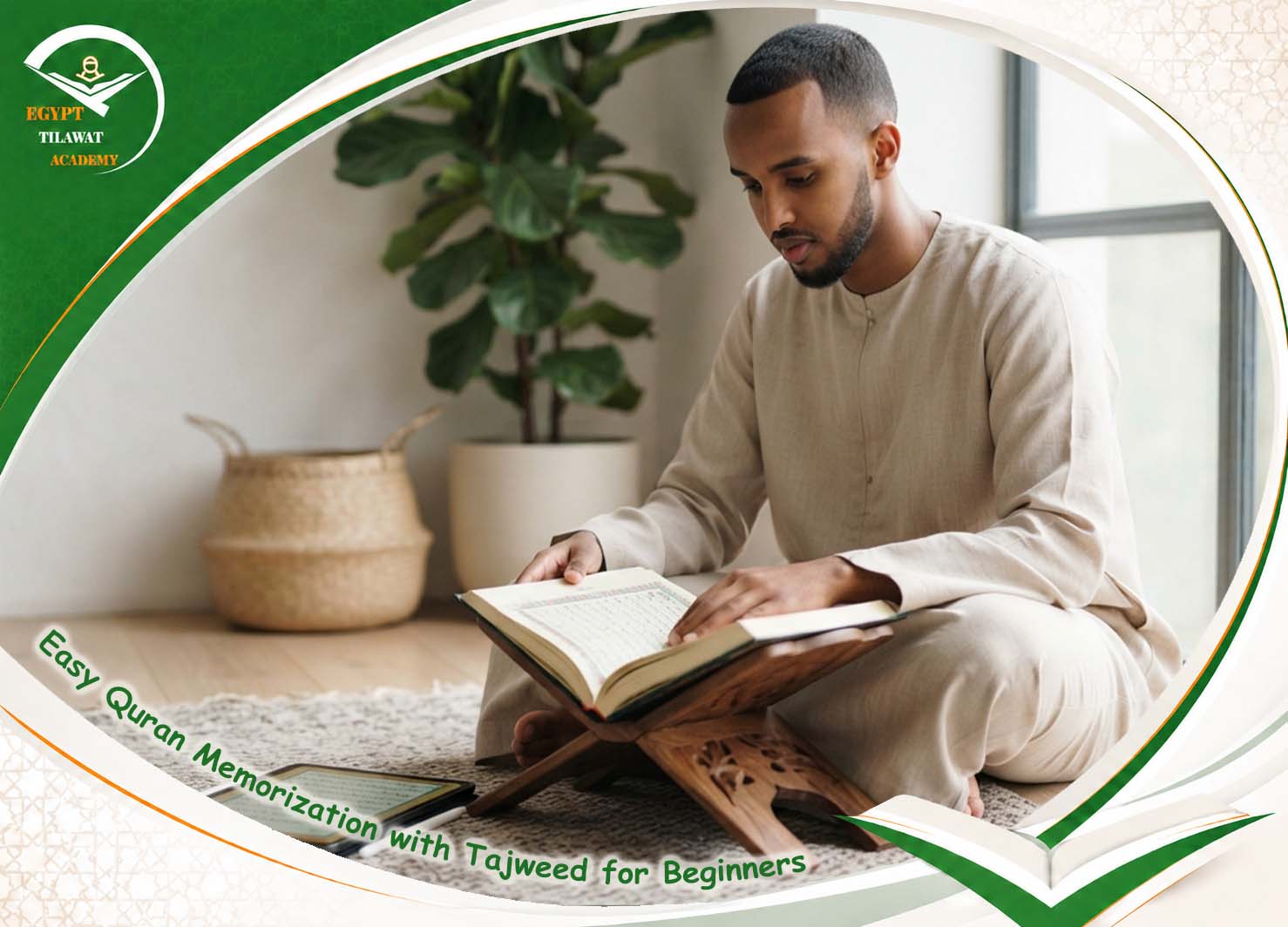
Before beginning Hifz,
make sure you can read the Quran reasonably well.
Beginners should learn
essential Tajweed rules, Makharij, and Tarteel before attempting larger
portions.
Correct pronunciation
matters because repeated mistakes can become difficult to correct later.
One practical approach is
to work with small portions.
Read the selected verses
several times while looking at the Mushaf.
Then listen to an accurate
recitation and repeat the passage aloud. Once you feel comfortable, close the
Mushaf and try to recite from memory.
A simple memorization
cycle looks like this:
- Read:
Study the verses carefully.
- Listen:
Hear an accurate Quran recitation.
- Repeat:
Recite each verse several times.
- Connect:
Join the verses together.
- Recall:
Recite without looking.
- Review:
Return to the passage later.
Regular Murajaah, or
revision, is equally important.
New lessons should always
be balanced with older material.
This helps transform
short-term recall into stronger long-term retention.
For some learners, the
easiest way to memorize the Quran is to slow down rather than rush.
A smaller amount learned
accurately and reviewed regularly can create a much stronger foundation than a
large amount learned too quickly.
Set Clear and Realistic Quran Memorization Goals
A clear goal gives your
Hifz routine direction. However, your target should match your available time
and current ability.
Trying to memorize an
entire Juz within a few days may create unnecessary pressure and leave too
little time for revision.
A sustainable approach is
to choose a daily amount that you can maintain.
One learner might
comfortably memorize three verses, while another may manage half a page.
Children may need even
smaller portions when they are starting.
Your goals should take
your lifestyle into account.
A student may have more
time during weekends, while a working adult may prefer a short session after
Fajr or in the evening.
Consider creating a simple
plan with:
- A daily
new-lesson target.
- A fixed
revision period.
- A
weekly review session.
- Monthly
progress checks.
- Listening
practice.
- Regular
teacher assessments.
The goal should not be
speed alone.
Memorization and
retention are
more important than simply counting pages.
Parents can also create
age-appropriate targets for children.
Instead of comparing one
child with another, focus on accurate recitation and steady improvement. Adults
should follow the same principle.
Starting Hifz later in
life does not prevent meaningful progress.
Leave some flexibility in
your schedule as well.
If you miss a session
because of work, school, travel, or family responsibilities, return to your
routine the next day rather than abandoning the plan.
Step-by-Step Hifz Plan for Beginners
A simple step-by-step Hifz plan
can make memorization easier to organize, especially for beginners who are
unsure where to start.
The goal is to establish a
repeatable process rather than trying to memorize a large amount of the Quran
at once.
Step 1: Check Your Quran Reading Skills
Before starting serious
memorization, make sure you can read the Quran correctly.
Work on basic Tajweed,
Makharij, pronunciation, and Tarteel with a qualified teacher if needed.
Correcting reading
mistakes early can prevent incorrect pronunciation from becoming part of your
memorized recitation.
Step 2: Choose a Small Daily Portion
Start with a realistic
amount based on your ability and schedule.
This could be a few
verses, part of a page, or another manageable portion.
Do not increase the amount
simply because you completed today's target quickly.
First, make sure the
lesson is accurate and reasonably secure.
Step 3: Listen Before Memorizing
Listen to a reliable Quran
reciter reading the selected passage.
Follow along with your
Mushaf and pay attention to pronunciation, pauses, verse endings, and difficult
words.
Repeated listening can
help you become familiar with the sound and sequence of the passage before
attempting to recall it independently.
Step 4: Read and Repeat Each Verse
Read the first verse
carefully while looking at the Mushaf.
Recite it repeatedly until
you can recall most of it without looking.
Then move to the next
verse. After learning the second verse, connect it with the first one.
Continue this process
until you complete your selected portion.
Step 5: Recite Without Looking
Close the Mushaf and test
yourself.
Try to recite the complete
lesson from memory.
If you make a mistake,
look at the Mushaf, identify the error, and repeat that section. Do not simply
continue while ignoring mistakes.
Step 6: Connect the New Lesson
Once individual verses are
secure, recite the entire passage together.
This is important because
some learners can remember individual verses but struggle when moving from one
verse to another.
Practice the transitions
until the passage flows naturally.
Step 7: Review the Same Lesson Later
Return to the new material
later in the day. Recite it again without looking at the Mushaf.
A second review several
hours after the initial lesson can help strengthen recall and reveal which
parts still need work.
Step 8: Revise Older Lessons
Do not spend the entire
study session on new material. Reserve time for previous Surahs and passages.
For example, a learner
might spend 15 minutes on a new lesson and another 15 minutes reviewing older
memorization. As the memorized portion grows, the revision period may need to
become longer.
Step 9: Recite to a Teacher
Regularly recite your
lessons to a qualified Quran teacher.
A teacher can identify
pronunciation errors, weak transitions, forgotten words, and Tajweed issues
that you may not notice yourself.
Teacher testing also
provides accountability and helps determine when you are ready to add new
material.
Step 10: Repeat the Cycle Consistently
Follow the same process
each study day:
Listen → Read →
Repeat → Recall → Connect → Review → Revise
Consistency matters more
than trying to achieve an unusually large daily target.
A manageable routine that
continues for months can create stronger progress than an intensive schedule
that becomes difficult to maintain.
Start with Short Surahs and Manageable Portions
For Quran memorization for beginners,
starting with shorter Surahs can build confidence.
Many learners begin with
Juz Amma because its shorter Surahs provide manageable passages for practicing
repetition and recall.
Rather than taking on too
much material, choose a portion you can learn thoroughly.
A short passage that
remains strong is more valuable for long-term Hifz than several pages that
become weak after a few days.
Begin by reading the
section carefully.
Notice where each verse
begins and ends, and pay particular attention to verses that sound
similar.
These can sometimes
confuse you when you are reciting
from memory.
You can divide a Surah
into smaller sections.
Learn the first section,
strengthen it, and then add the next.
Once both are secure,
recite the complete passage.
Juz Tabarak can also
become part of a structured program once a learner has developed confidence
with shorter Surahs.
The right starting point
depends on reading ability, previous memorization, age, and teacher guidance.
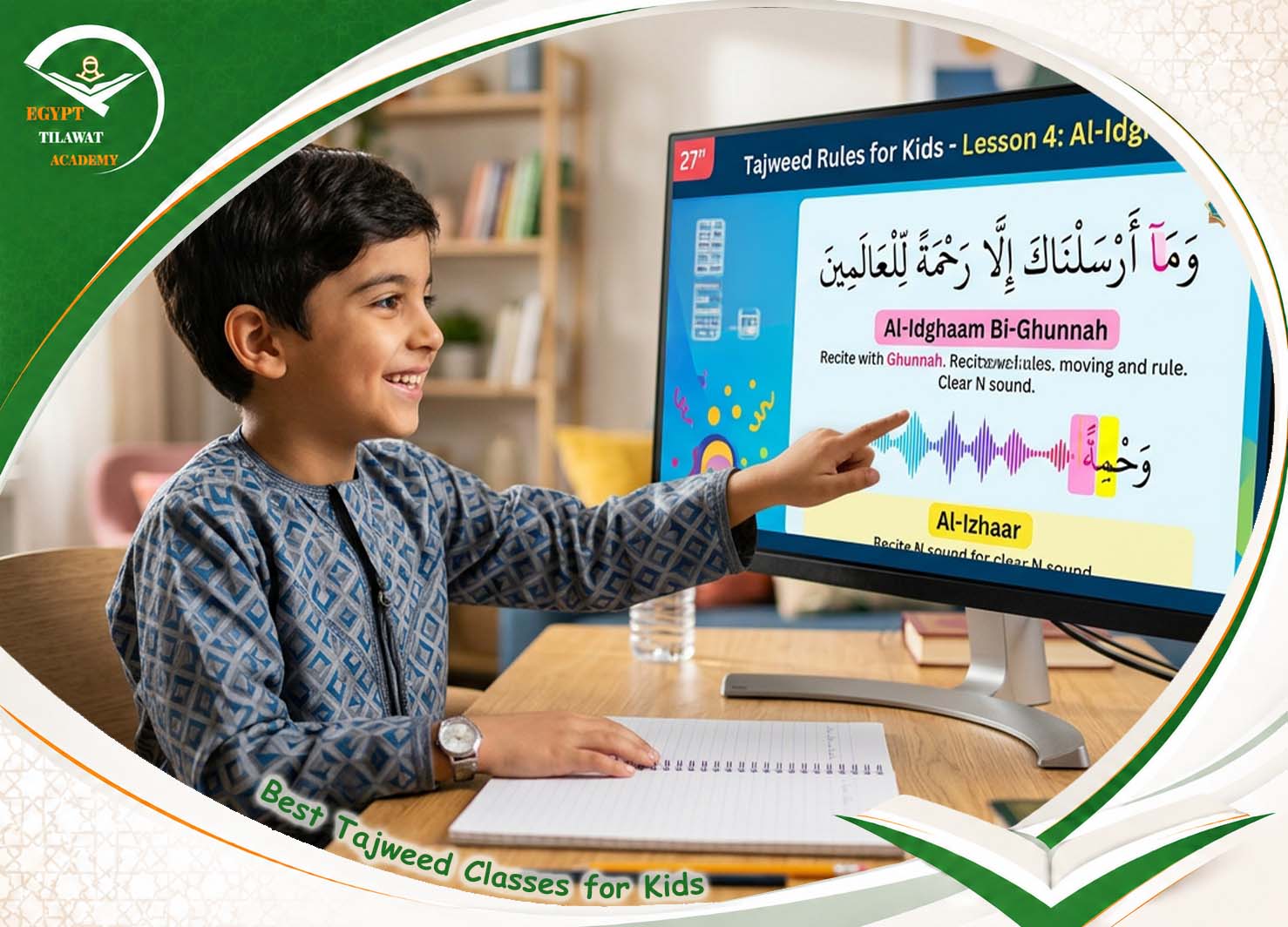
For children, short
sessions and consistent listening can make lessons more approachable.
Adults can use the same
principle while adjusting the pace around work and family commitments.
Making each session
achievable is one of the most useful Quran
memorization methods.
Completing a realistic
target builds confidence and encourages learners to continue.
Use Repetition to Memorize Quran Verses Effectively
Repetition is central to
effective memorization.
Reading a verse once is
rarely enough for reliable recall.
Repeated reading,
listening, and recitation give your memory more opportunities to recognize the
wording and sequence.
Active practice is
especially important.
Look at a verse, recite it
aloud, cover the text, and try to recall it.
Then check the Mushaf and
correct any mistakes.
You can use a simple
repetition pattern:
Read → recite →
cover → recall → check → repeat
Listening to the Quran can
reinforce this process. Choose a reliable reciter and listen to the same
passage regularly.
Hearing accurate
pronunciation can support Tajweed, rhythm, and familiarity with the verse
sequence.
Spaced repetition is
another useful technique. Instead of practicing a passage only once, review it
later on the same day, the next day, and again during your weekly revision.
For example:
New lesson → same-day
review → next-day review → weekly review → ongoing Murajaah
If a particular verse
remains difficult, reduce the portion and practice that section
separately.
There is no benefit in
moving ahead while repeatedly struggling with material you have already
learned.
Avoid rushing simply
because you want to memorize
faster. Hifz is not only about completing pages.
It is about being able to
reproduce the verses accurately after time has passed.
Create a Consistent Daily Quran Memorization Routine
Consistency is one of the
strongest factors in successful Hifz.
A short daily session is
often easier to maintain than occasional long study sessions.
Choose a time when your
mind is relatively calm, and distractions are limited.
Some learners prefer after
Fajr, while others find evenings more convenient.
The important thing is to
establish a routine you can realistically follow.
If you have 30 minutes,
divide the time between new material and revision.
If you have only 15
minutes, reduce the new portion rather than removing revision altogether.
A simple routine could
include:
- 5
minutes: Listen to the selected
passage.
- 10
minutes: Read and repeat the new
verses.
- 10
minutes: Recite the lesson from memory.
- 10
minutes: Review older material.
- 5
minutes: Practice any difficult verses.
Your schedule should also
be flexible.
Busy parents, students,
and professionals may have different commitments throughout the week.
Children may benefit from
shorter and more engaging sessions.
Adults may prefer a
structured Quran
memorization course that provides accountability and a fixed
lesson schedule.
Avoid multitasking during
your study time.
Put your phone aside where
possible and give the Quran your full attention.
Over time, regular
practice becomes a habit.
You do not need to feel
highly motivated every day. A simple routine that you can maintain is often
more valuable than occasional bursts of enthusiasm.
Use a Qualified Quran Teacher for Better Memorization
A qualified Quran teacher
can make a significant difference.
Even learners who read
fluently may overlook pronunciation errors that are difficult to detect
independently.
Teacher feedback is
particularly important for Tajweed,
Makharij, Tarteel, and Quran recitation.
A teacher can listen while
you recite from memory, identify errors, and help you correct them before they
become habits.
A good tutor can also help
you recognize similar verses, decide when you are ready to move forward, and
adjust the amount of new material according to your progress.
This guidance is
especially useful for children and beginners.
Lessons can be adapted to
the learner's age, reading level, attention span, and goals.
For Muslims living in the
US, UK, Canada, Australia, and other
Western countries, online
learning can provide access to qualified tutors without requiring travel to a
local center.
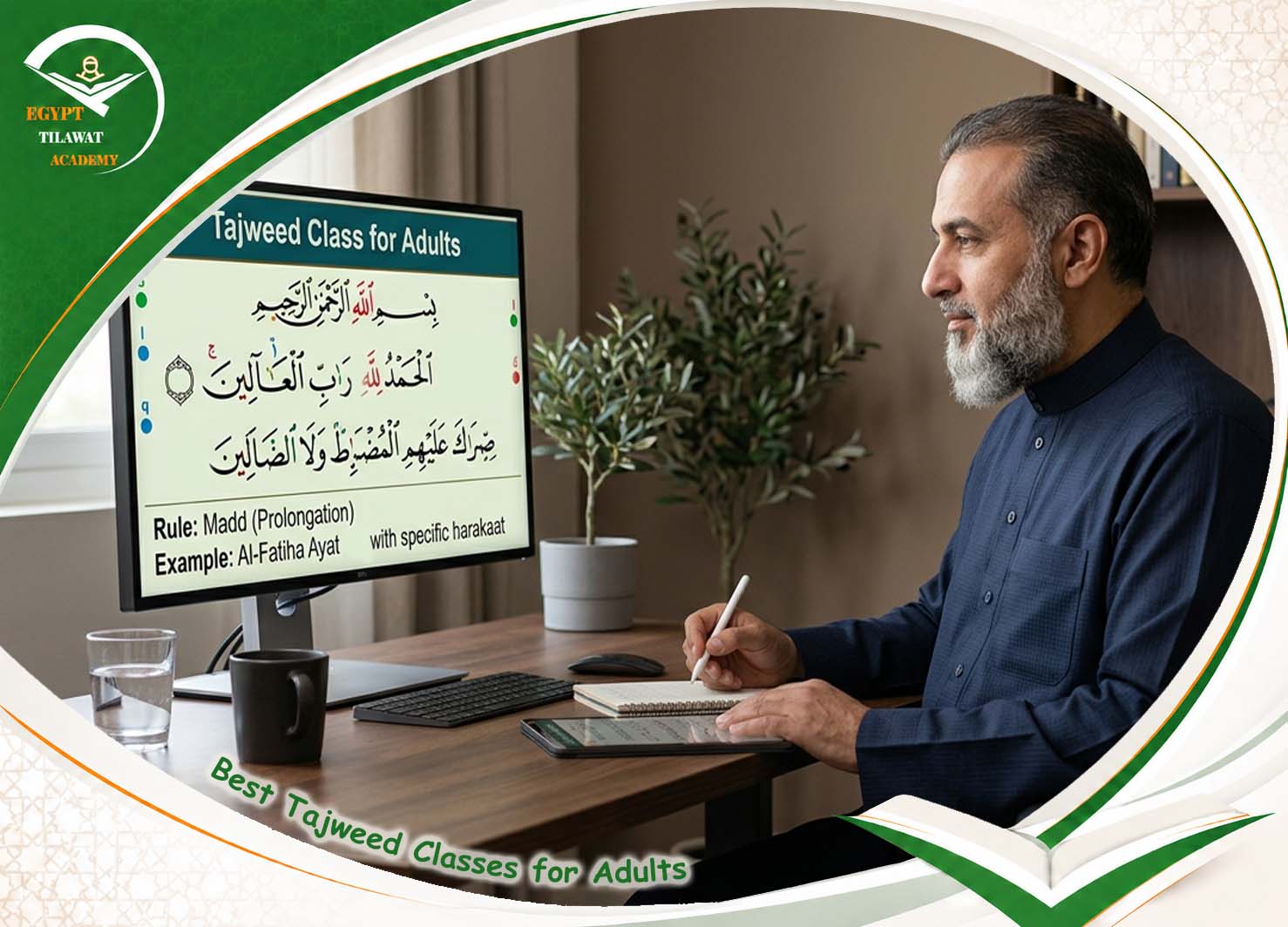
Egypt Tilawat
Academy
offers structured online Quran education for learners studying from home.
Students can receive
support with memorization, recitation, and Tajweed while following a structured
learning routine.
When choosing a Quran
teacher, consider:
- Experience
teaching Hifz.
- Strong
Quran recitation.
- Knowledge
of Tajweed and Makharij.
- Experience
with children or adult beginners.
- Clear
communication.
- Regular
progress assessment.
The right teacher does
more than listen to memorized passages.
They provide correction,
accountability, encouragement, and a structured path forward.
Review Previous Lessons to Strengthen Your Hifz
Learning a new page is
only one part of Hifz.
Reviewing previous lessons
is what helps protect your progress over time.
Quran memorization
and revision
should therefore happen together from the beginning.
Without regular Murajaah,
older passages can become weak even while new material continues to increase.
One useful approach is to
divide revision into categories.
Start with your most
recent lesson.
Then review older
passages.
Finally, spend additional
time on sections that have become difficult.
Your Quran revision schedule
should change as your memorized portion grows.
A beginner may review
several short Surahs each day, while someone with a larger Hifz portion may
need a more detailed system.
Try to recite from memory
before looking at the Mushaf.
This turns revision into
active recall rather than simple reading.
When you make a mistake,
stop and check the correct wording.
Repeat the verse until it
becomes more secure before continuing.
Understanding the general
meaning of Quran verses can also support recall.
When you know how a
passage develops, the sequence may become easier to remember. Understanding
should complement accurate memorization rather than replace it.
A structured Quran Hifz program can
make this process easier.
A teacher can track
completed lessons, identify weak sections, and organize regular Murajaah.
How to Memorize the Quran Without Forgetting
Many learners want to know
how to memorize the Quran without forgetting.
The reality is that
forgetting can happen to anyone. Regular revision is what helps maintain what
you have learned.
One useful approach is spaced repetition.
Review new material frequently at first, then continue reviewing it at longer
intervals.
This gives your memory
repeated opportunities to retrieve the same information.
Avoid adding too much new
material when your previous lessons are weak.
If yesterday's passage is
already difficult to recall, adding another large portion may make your overall
Hifz less stable.
Build these habits into
your routine:
- Recite
from memory every day.
- Review
older Surahs regularly.
- Listen
to passages you have learned.
- Correct
mistakes immediately.
- Maintain
a consistent revision schedule.
- Ask
your teacher to test older material.
- Reduce
new material when revision becomes difficult.
Keep Tajweed part of your
revision.
If incorrect Makharij or
pronunciation become embedded in your memory, correcting them later can take
additional effort.
You can also use memorized
Surahs during your daily prayers when appropriate.
This creates another
opportunity for active recall without requiring a separate study session.
Every learner progresses
differently. Children, adults, beginners, and experienced students may need
different techniques.
The goal isn't to find a
shortcut, but to develop a practical system you can follow consistently.
Online Quran Memorization Classes for Beginners
Online Quran memorization
classes can make structured Hifz more accessible for Muslims who live far from
local Quran centers.
Students can learn from
home while receiving live instruction and regular correction.
A strong online program
should combine memorization with Tajweed,
Quran recitation, revision, and teacher feedback.
For beginners, the focus
should be on building accurate reading skills before increasing the
memorization workload.
Online lessons can also
work well for busy families.
Parents can select lesson
times around school and family commitments, while adults can study without
traveling to a physical center.
Egypt Tilawat
Academy is a
leading platform for students seeking structured online Quran education.
Its learning environment
can support children, adults, and beginners who want guidance with Hifz,
Tajweed, recitation, and consistent practice.
When comparing an online
program, look for:
- Qualified Quran teachers
- Structured
Hifz lessons
- Tajweed
and pronunciation correction
- Regular
memorization assessments
- Personalized
goals
- Flexible
lesson times
- Support
for children and adults
A one-to-one online lesson
can also provide a comfortable setting for asking questions and working on
specific weaknesses.
For parents, online Hifz
can be a practical option when local classes do not fit a child's
schedule.
For adults, it can make
regular study easier to maintain alongside work and family responsibilities.
With appropriate guidance,
a realistic schedule, and consistent revision, online learning can become an
effective part of your Quran study routine.
Frequently Asked Questions About Quran Memorization
What is the easiest way to memorize the Quran?
Start with small portions,
repeat them regularly, and review them using a consistent schedule. Correct
Tajweed, listening practice, teacher feedback, and daily Murajaah can make the
process more manageable.
How can I memorize the Quran without forgetting?
Combine new lessons with
frequent revision instead of focusing only on new material. Spaced repetition,
active recall, listening, and regular testing can help strengthen long-term
retention.
How long does it take to memorize the Quran?
The timeframe varies
according to age, reading ability, available study time, consistency, and daily
workload. A realistic plan should prioritize accurate, lasting Hifz over a fixed deadline.
Can beginners memorize the Quran online?
Yes. Beginners can study
online with a qualified teacher who provides live correction, Tajweed guidance,
manageable lessons, and a structured revision schedule.
Conclusion: Build a Quran Memorization Habit That Lasts
Learning the Quran by
heart requires patience, regular practice, and a system that fits your
life.
Rather than chasing speed,
focus on accurate recitation, manageable portions, active recall, and consistent
Murajaah.
Set realistic goals and
give yourself enough time to strengthen each lesson.
Keep older passages in
your routine while gradually adding new ones, and seek qualified guidance when
you need help with Tajweed or pronunciation.
For children, adults,
beginners, and Muslims living in the West, an online Hifz program can provide
the structure needed to study consistently from home.
Egypt Tilawat
Academy can
support learners with organized lessons and teacher guidance throughout the
process.
Ready to begin?
Book a free trial lesson with a native Arabic teacher/tutor at Egypt Tilawat Academy and start building a sustainable Quran memorization routine