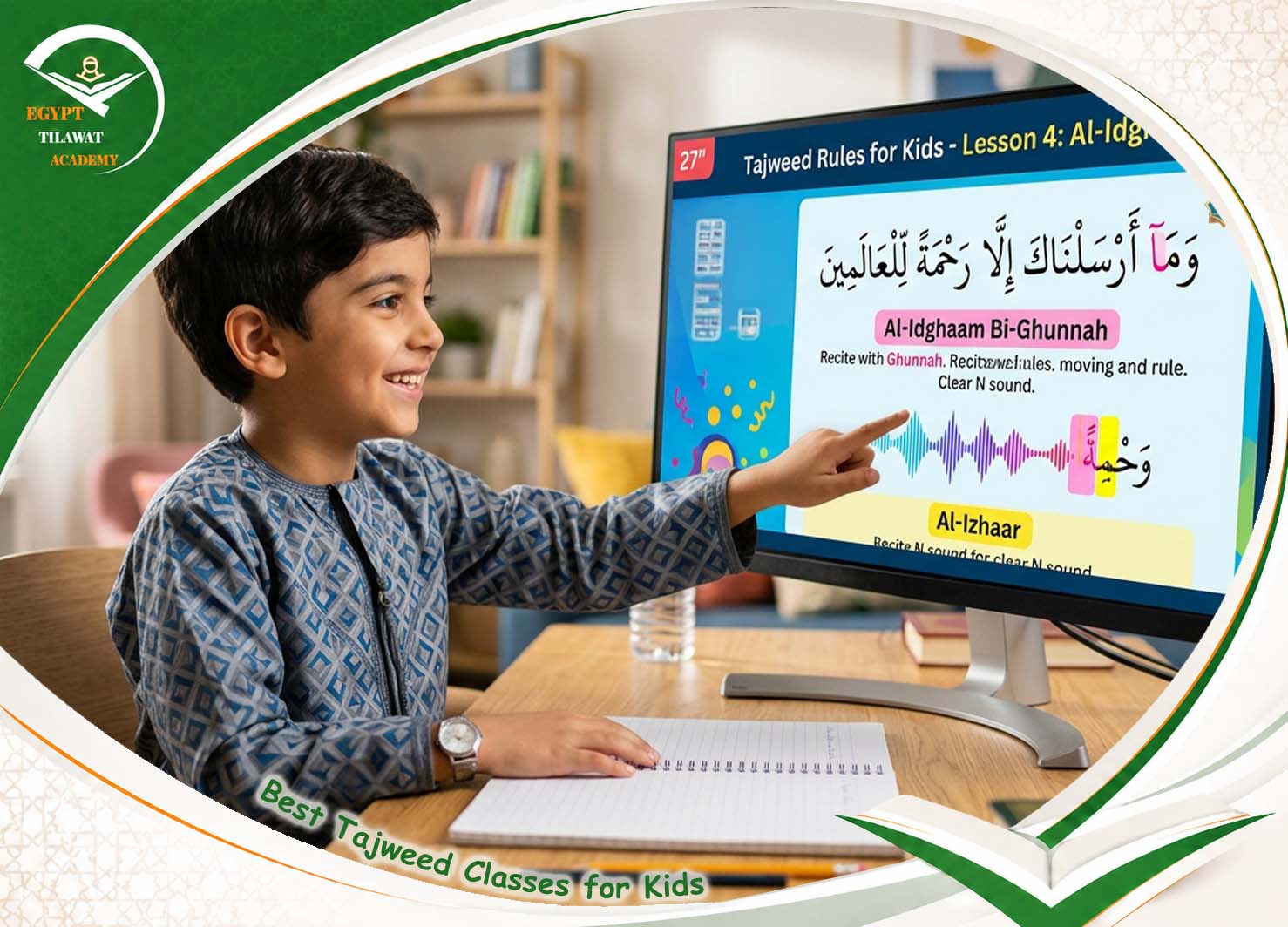
Juz Amma Memorization for Kids
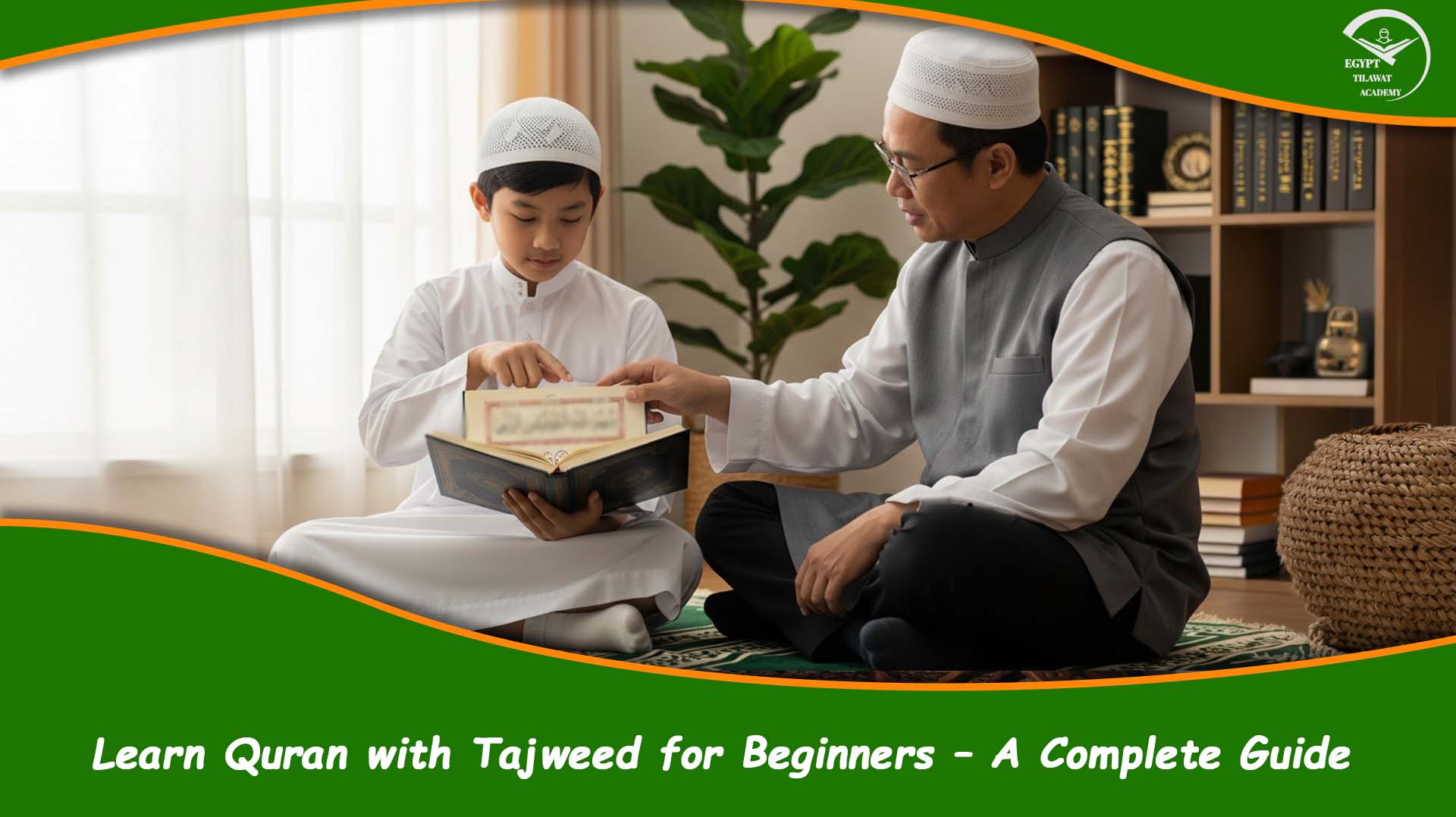
Juz Amma memorization for kids is a foundational step in Quranic education, offering short, manageable chapters (the 30th Juz') perfect for young learners. Its simple language and meaningful themes help children build confidence, develop concentration, and establish a strong spiritual connection.
Starting early Juz Amma memorization for kids with repetition, rewards, and engaging methods like songs or games enhances retention. Consistent daily practice fosters discipline and long-term Quranic mastery. Parents and educators play a key role by creating a supportive, joyful learning environment.
Helping children memorize the Quran is a beautiful goal, but many Muslim parents in the US, UK, Canada, and Australia find it difficult to maintain a consistent routine. Finding a qualified Quran teacher who understands children's learning needs can also take time.
Juz Amma memorization for kids is an excellent starting point for families who want their children to develop a strong connection with the Quran. Juz Amma is the 30th and final part of the Quran. It contains 37 Surahs, most of which are short and relatively easy for young learners to memorize with regular practice.
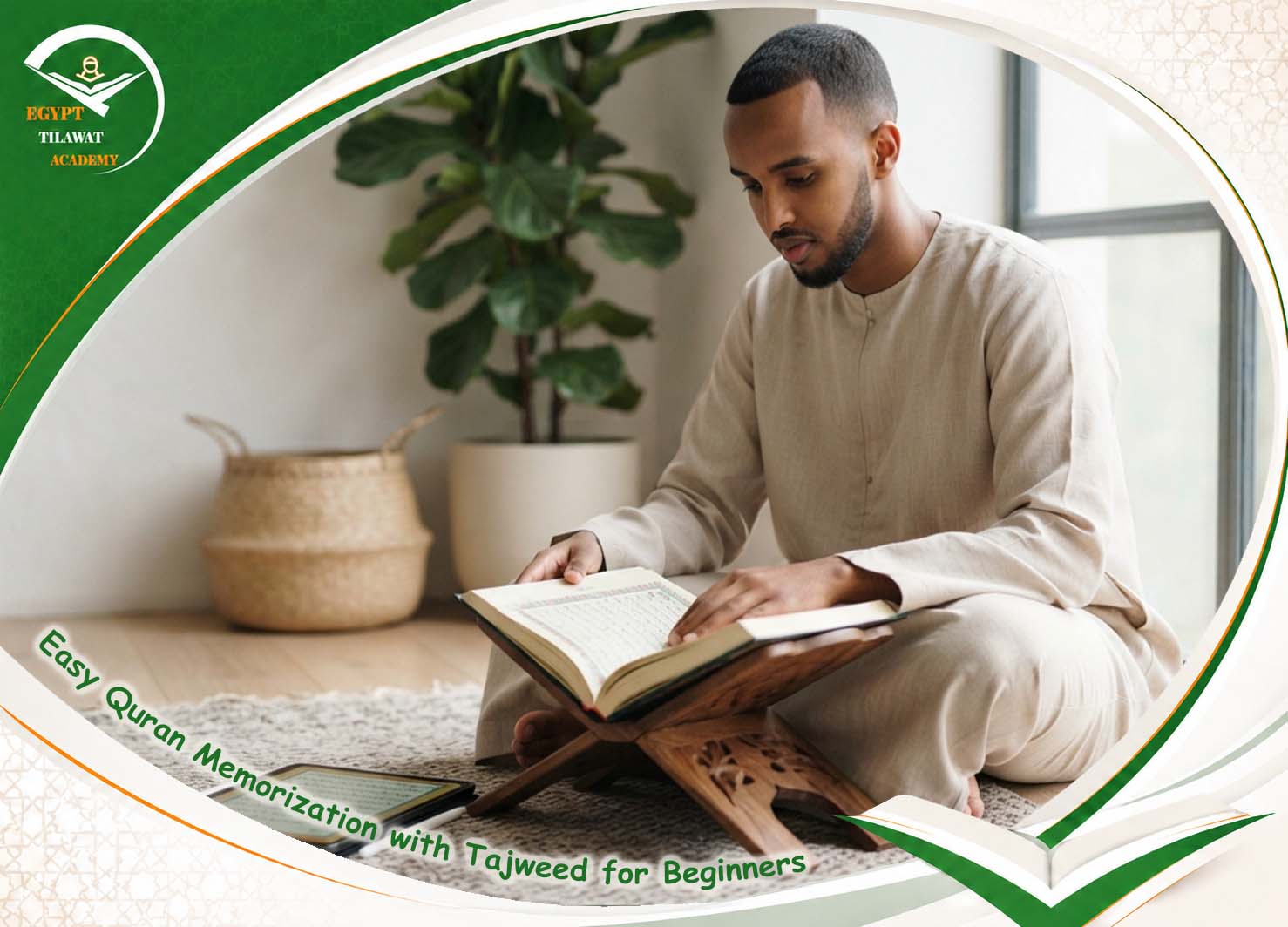
Children can begin with familiar short Surahs and gradually progress towards longer ones. With patience, repetition, proper Tajweed, and parental encouragement, Quran memorization can become a positive part of everyday life rather than another school responsibility.
This guide explains how to introduce Juz Amma to children, choose the right Surahs, create a realistic memorization schedule, and help young learners retain what they memorize. It also explores how qualified online Quran teachers, including those at Egypt Tilawat Academy, can support children through structured, personalized Quran memorization lessons.
The goal is not simply to help children finish Juz Amma quickly. It is to build correct recitation, lasting memorization, and a lifelong love of the Quran.
What Is Juz Amma and Why Is It Important for Kids?
Juz Amma (جزء عمّ) is the 30th and final section of the Holy Quran. It begins with Surah An-Naba and ends with Surah An-Nas. This section contains 37 Surahs, many of which are short and frequently recited during daily Salah.
For children, Juz Amma offers a practical introduction to Quran memorization. Its shorter Surahs make it easier to divide learning into small, manageable goals. Young learners can begin with a few verses and gradually increase their memorization as their confidence improves.
Juz Amma also introduces children to important Islamic teachings. Its Surahs discuss:
The greatness and oneness of Allah.
The Day of Judgment and the Hereafter.
Good manners and righteous behaviour.
Gratitude, patience, and trust in Allah.
The importance of worship and doing good deeds.
Many children already hear Surahs such as Al-Ikhlas, Al-Falaq, and An-Nas during family prayers. Recognizing familiar verses can make their first memorization lessons more enjoyable.
Juz Amma memorization is also useful for helping children participate more confidently in Salah. As they learn additional Surahs, they gain more options for their daily prayers.
Parents should remember that every child learns differently. Some children remember verses quickly, while others need more listening and repetition. A supportive learning environment is more important than rushing through Juz 30.
Benefits of Juz Amma Memorization for Children
Quran memorization offers children more than the ability to recite verses from memory. It helps develop spiritual awareness, positive learning habits, and a stronger connection with Islamic teachings.
One important benefit is familiarity with the words of Allah. When children regularly recite short Surahs, they become more comfortable with Quranic Arabic. Even before they understand every word, they can gradually recognize familiar expressions and sounds.
Juz Amma memorization can also support several areas of a child's development.
1. Strengthens memory and concentration
Learning verses requires attention, listening, and repetition. These activities encourage children to focus on small tasks and remember information accurately.
2. Builds confidence in Salah
Children who memorize more Surahs can recite different passages during their prayers. This helps them participate more independently in daily worship.
3. Develops discipline and consistency
Following a simple Quran memorization routine teaches children the value of regular effort. They learn that meaningful progress comes from practising consistently.
4. Encourages Islamic identity
Memorizing Quranic Surahs helps children develop a closer relationship with their faith. It also gives parents opportunities to discuss Islamic values in everyday situations.
5. Creates positive family habits
Parents and children can listen to Quran recitation or revise Surahs together. These shared moments can strengthen family relationships.
However, children should never feel that memorization is a competition. Their progress should be measured through understanding, correct recitation, confidence, and steady improvement rather than speed alone.
What Is the Best Age to Start Memorizing Juz Amma?
There is no single perfect age for starting Juz Amma memorization. Some children enjoy listening to Quran recitation from infancy, while others become ready for structured memorization when they are around four, five, or six years old.
The right starting point depends on a child's attention span, language development, interest, and ability to repeat sounds.
For younger children, the first stage should focus on listening and familiarity. Parents can play short Surahs during quiet family time and encourage children to repeat simple phrases without pressure.
As children grow, they can begin more structured Quran memorization lessons.
Here is a general guide:
Ages 3–5: Introduce familiar Surahs through listening, repetition, and simple activities.
Ages 6–8: Begin short, regular memorization sessions with guidance from a parent or teacher.
Ages 9–12: Introduce a more organized Hifz schedule with memorization, Tajweed practice, and revision.
Teenagers: Develop an individualized plan that considers school commitments, previous Quran knowledge, and personal goals.
These are flexible suggestions, not strict age requirements. A child who is not ready for formal lessons can still develop a positive relationship with the Quran through listening and family recitation.
For Juz Amma beginners, the most important thing is to start with achievable goals. A child who memorizes two or three verses correctly and enjoys the process is making valuable progress.
Parents should also avoid comparing siblings or classmates. Each child needs enough time to develop accurate pronunciation and confidence.
How to Memorize Juz Amma for Kids Step by Step
A clear method makes Quran memorization easier for children. Instead of asking them to learn an entire Surah at once, divide it into smaller sections and follow the same routine during each lesson.
The following steps provide a practical approach for families and Quran teachers.
Step 1: Start with short and familiar Surahs
Choose a Surah that your child already recognizes. Surah Al-Ikhlas, Al-Falaq, and An-Nas are useful starting points because children often hear them during daily prayers.
Step 2: Listen to correct recitation
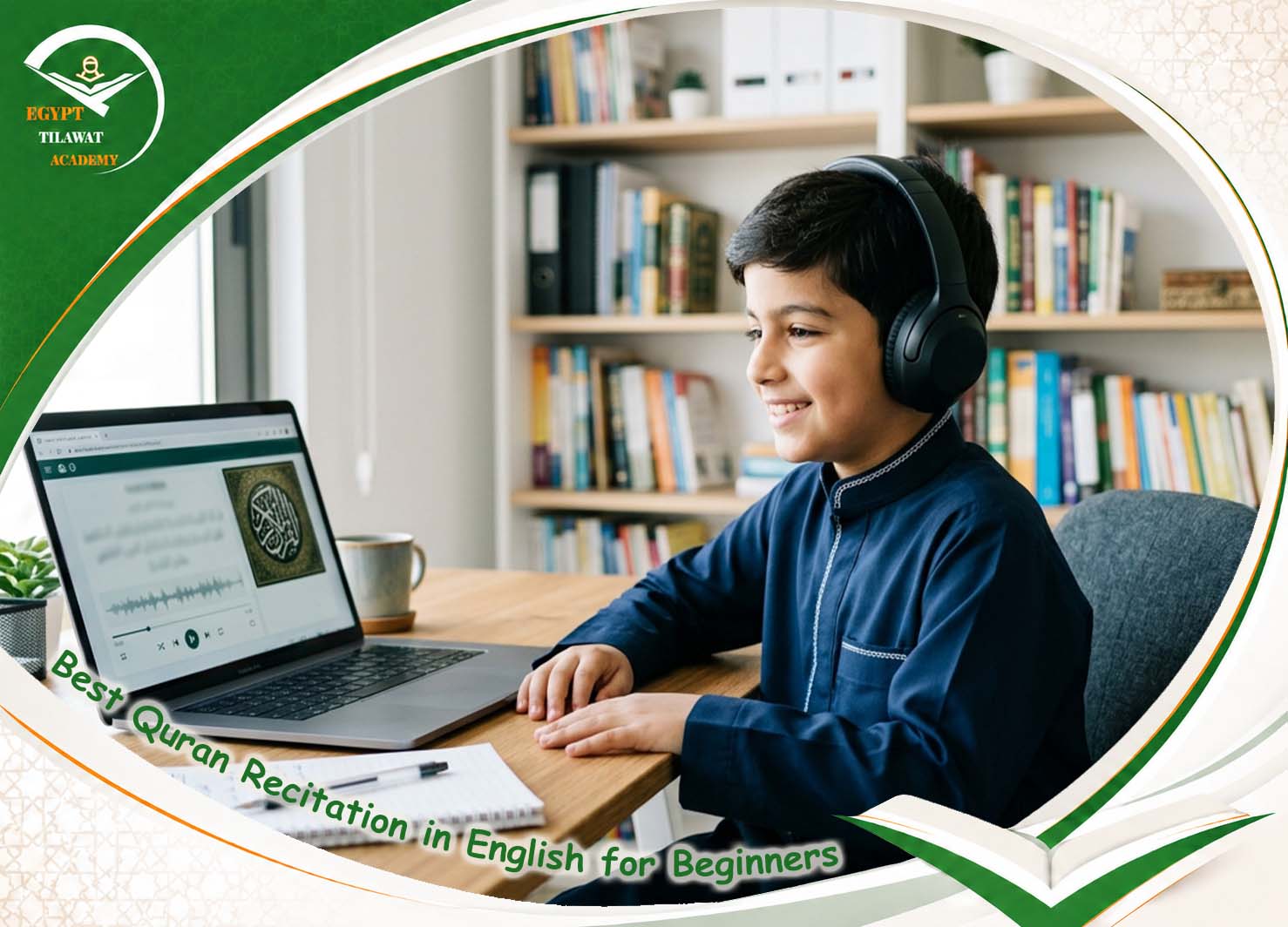
Play a clear recording by a qualified Quran reciter. Let your child listen to the complete Surah before beginning memorization. This helps them become familiar with its rhythm and pronunciation.
Step 3: Divide the Surah into small parts
Begin with one verse or a short phrase. Read it slowly and ask your child to repeat it several times. Move to the next verse only when the first part becomes familiar.
Step 4: Connect the memorized verses
After learning two verses separately, practise reciting them together. Continue adding new verses while reviewing everything learned previously.
Step 5: Practise correct Tajweed
Children should learn proper pronunciation from the beginning. A qualified teacher can explain Makharij al-Huruf, basic Tajweed rules, and common pronunciation mistakes in an age-appropriate way.
Step 6: Test memorization without looking
Ask your child to recite the verses without reading from the Mushaf. If they forget a word, offer a gentle reminder instead of making them feel embarrassed.
Step 7: Revise before learning something new
Spend a few minutes reviewing previously memorized Surahs. Regular revision helps prevent children from forgetting earlier lessons.
A successful Juz Amma memorization routine should combine new learning, listening, correct recitation, and revision. Parents should adjust the number of verses according to their child's ability.
The aim is accurate and lasting memorization, not completing a specific number of pages every week.
Which Surahs Should Kids Memorize First?
Target keyword: Easiest Surahs, short Surahs
Choosing the right starting Surahs can make Quran memorization more enjoyable. Children usually benefit from beginning with short passages before moving towards longer Surahs.
Many families start with the final Surahs of Juz Amma because they are frequently recited in Salah and are familiar to young learners.
A suggested learning order is:
Surah | Why it is suitable |
|---|---|
An-Nas | A short Surah about seeking Allah's protection. |
Al-Falaq | Introduces the importance of seeking refuge in Allah. |
Al-Ikhlas | Teaches the oneness of Allah. |
Al-Kawthar | A very short Surah with simple memorization sections. |
Al-Asr | Introduces important lessons about faith and good deeds. |
An-Nasr | Helps children learn gratitude and the importance of praising Allah. |
Al-Masad | Provides an opportunity to discuss Quranic lessons. |
Al-Qadr | Introduces the significance of Laylat al-Qadr. |
This is a suggested order rather than a fixed rule. A teacher may recommend a different sequence based on the child's familiarity and learning level.
Parents should also introduce the meaning of each Surah in simple English. For example, children can learn that Surah Al-Ikhlas explains the oneness of Allah, while Surah Al-Falaq and Surah An-Nas teach Muslims to seek His protection.
When children understand the basic message of what they memorize, their Quran learning becomes more meaningful.
Avoid introducing too many new Surahs at once. Allow children to become comfortable with one before moving to another.
Create an Effective Juz Amma Memorization Schedule
A realistic schedule is one of the most important parts of successful Quran memorization. Children need consistency, but their routine should also leave enough time for school, rest, play, and family activities.
For families in Western countries, an after-school or weekend schedule may work better than early morning lessons. Parents should choose a time when their children are relaxed and able to concentrate.
A beginner-friendly daily routine could look like this:
Activity | Suggested time |
|---|---|
Listen to the new Surah | 5 minutes |
Memorize new verses | 10 minutes |
Practise pronunciation | 5 minutes |
Revise previous Surahs | 5 minutes |
Recite independently | 5 minutes |
Total: Approximately 30 minutes.
Parents can also use a weekly plan:
Monday: Introduce new verses.
Tuesday: Repeat and connect the verses.
Wednesday: Continue memorization.
Thursday: Practise the complete section.
Friday: Revise previously learned Surahs.
Saturday: Recite to a parent or Quran teacher.
Sunday: Light revision or a listening day.
How Long Does It Take to Memorize Juz Amma?
The time required depends on the child's age, available practice time, previous Quran knowledge, and ability to retain verses.
Some children may need several months, while others may require a year or longer. A one-month plan can be useful for revising familiar Surahs or working towards a limited goal, but completing all of Juz Amma in 30 days may be unrealistic for beginners.
The best schedule is one that allows children to memorize accurately and retain what they learn.
Best Techniques to Help Kids Memorize Quran Easily
Children often learn better when Quran memorization includes different activities. Repeating the same method every day may become boring, especially for younger learners.
Parents and teachers can use simple techniques to make lessons more engaging without compromising the accuracy of recitation.
1. Use the listen-and-repeat method
Play a short verse and ask your child to repeat it. Choose a clear recording with a steady pace. Listening before reciting helps children become familiar with the correct sounds.
2. Break verses into smaller sections
Long verses can feel difficult for beginners. Divide them into short phrases and teach each part separately before connecting them.
3. Use daily repetition
Repeat new verses several times during each session. Encourage children to recite them again later in the day. Short practice sessions are often easier to manage than one long lesson.
4. Connect memorization with Salah
Once a child has learned a Surah, encourage them to recite it during prayer when appropriate. This gives them a practical opportunity to use what they have memorized.
5. Introduce visual learning tools
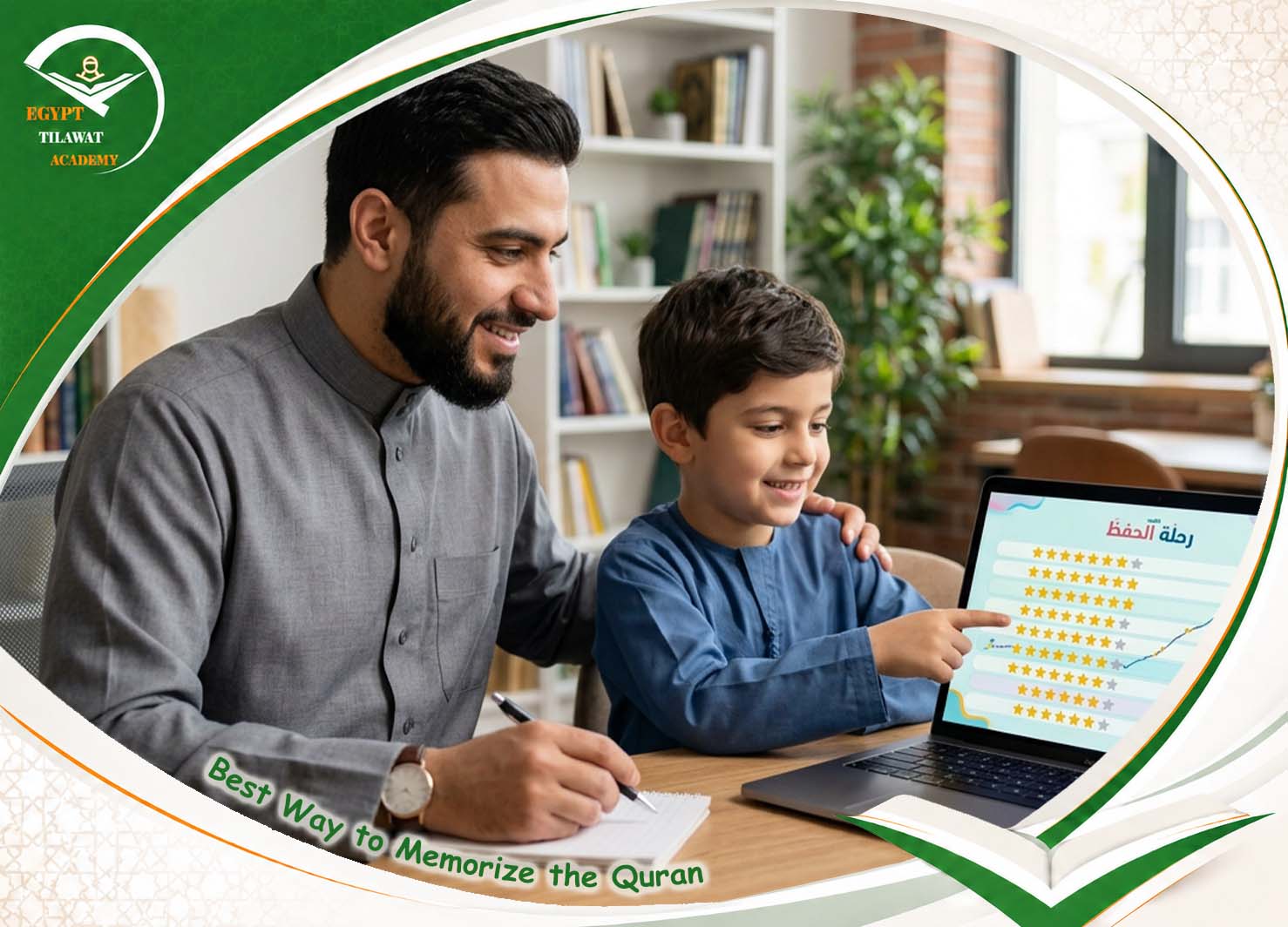
A simple progress chart can help children see their improvement. Parents can mark completed Surahs or use stickers as encouragement.
6. Explain the meaning
Provide a simple explanation of each Surah in English. Understanding the message can make the memorization process more meaningful.
7. Create a peaceful learning environment
Choose a quiet place without television, mobile games, or other distractions. Keep the Mushaf and learning materials ready before the lesson begins.
The most effective Quran memorization techniques for kids combine repetition, listening, understanding, and regular feedback.
Parents should also remember that children need breaks. If a child becomes tired or frustrated, pause the lesson and return to it later.
How to Revise Juz Amma and Retain Memorized Surahs
Memorizing a Surah is only the first part of Quran learning. Children also need regular revision to keep previously learned verses fresh in their memory.
In Islamic learning, this process is known as Muraja'ah. It involves reviewing memorized passages and correcting mistakes before they become repeated habits.
Without revision, children may forget verses even after spending considerable time learning them. This is why Juz Amma memorization should always include a revision plan.
A simple revision routine can include three stages:
Daily revision: Ask your child to recite the Surah learned during the previous lesson. Spend a few minutes reviewing older verses before introducing something new.
Weekly revision: Choose one or two days to revise all the Surahs learned during the week. Encourage your child to recite without looking at the Mushaf.
Monthly revision: Review the Surahs completed during the previous month. A parent or teacher can listen and identify passages that need additional practice.
Here are some useful revision tips:
Ask children to recite Surahs in a different order.
Listen carefully for forgotten words or pronunciation mistakes.
Repeat difficult verses slowly.
Include previously memorized Surahs in regular practice.
Celebrate improvement rather than expecting perfection.
Parents should not treat forgotten verses as failure. Forgetting is a normal part of learning, especially for young children.
With regular Muraja'ah, children can gradually strengthen their memorization and develop greater confidence in Quran recitation.
How Parents Can Motivate Children to Memorize Quran
Parents play an important role in helping children develop a positive relationship with the Quran. Even when a qualified teacher provides formal lessons, encouragement at home makes a meaningful difference.
The first step is to create a supportive atmosphere. Children should see Quran learning as a valuable part of family life rather than a punishment or an additional school assignment.
Parents can support their children through simple daily habits.
Make Quran time part of the family routine. Choose a regular time for listening, reading, or memorization. A predictable routine helps children understand what to expect.
Recognize small achievements. Praise your child when they pronounce a difficult word correctly or remember a previously learned Surah. Small achievements deserve encouragement.
Learn together. Parents do not need to be Quran teachers to participate. Listening to recitation and revising familiar Surahs together can make children feel supported.
Use age-appropriate rewards. A sticker chart, favourite family activity, or small non-material reward can encourage consistency. Avoid making rewards the only reason for learning.
Avoid comparisons. Every child has a different learning pace. Comparing children with siblings or classmates can create unnecessary pressure.
Connect Surahs with everyday life. Discuss simple lessons from the Quran, such as gratitude, kindness, patience, and trust in Allah.
For Muslim families living in the West, maintaining Islamic learning alongside school and extracurricular activities can require careful planning. A manageable routine is often more effective than an ambitious schedule that becomes difficult to maintain.
The most valuable contribution parents can make is to show children that Quran learning is something they enjoy and respect themselves.
Learning Juz Amma with an Online Quran Teacher
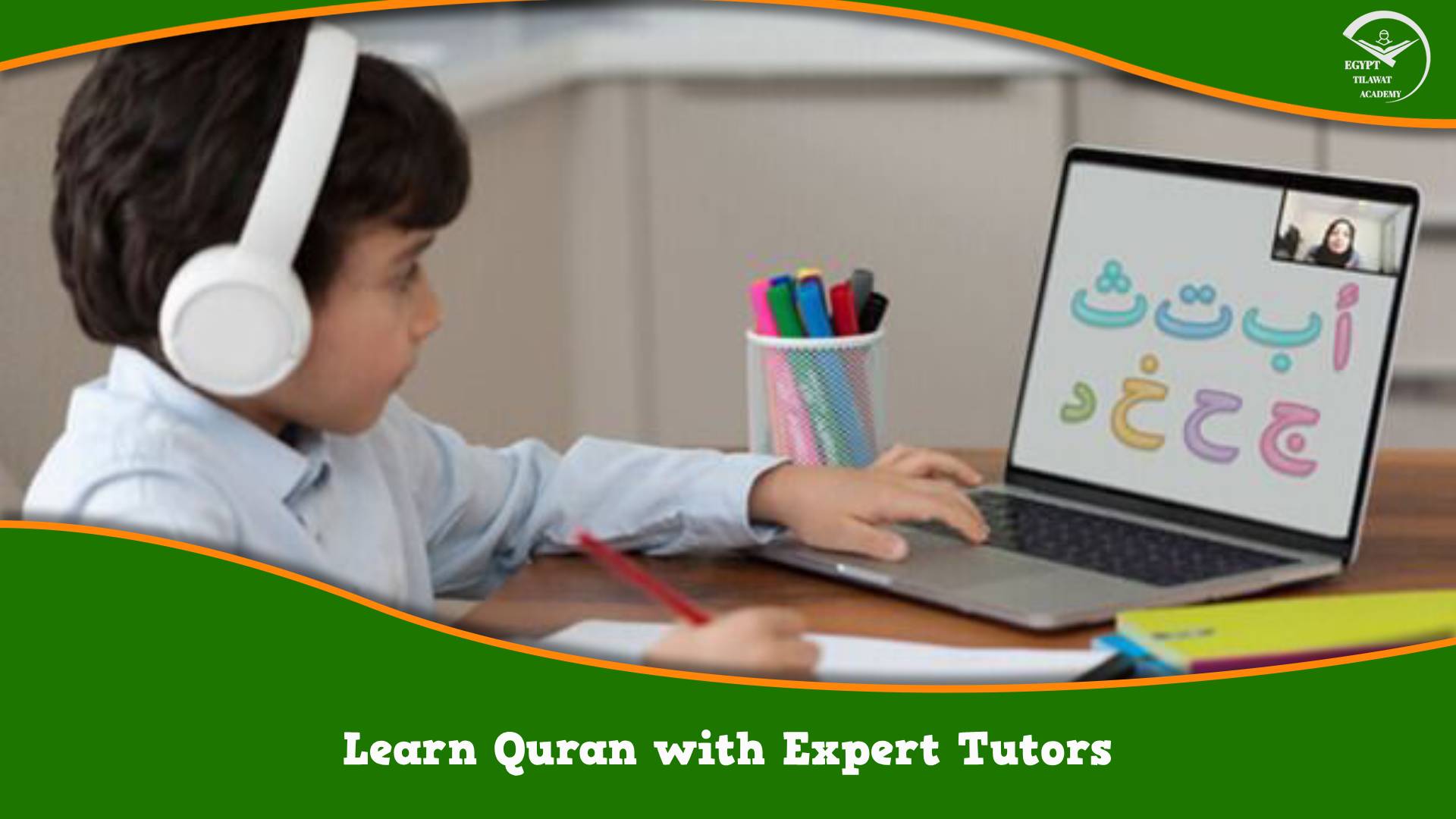
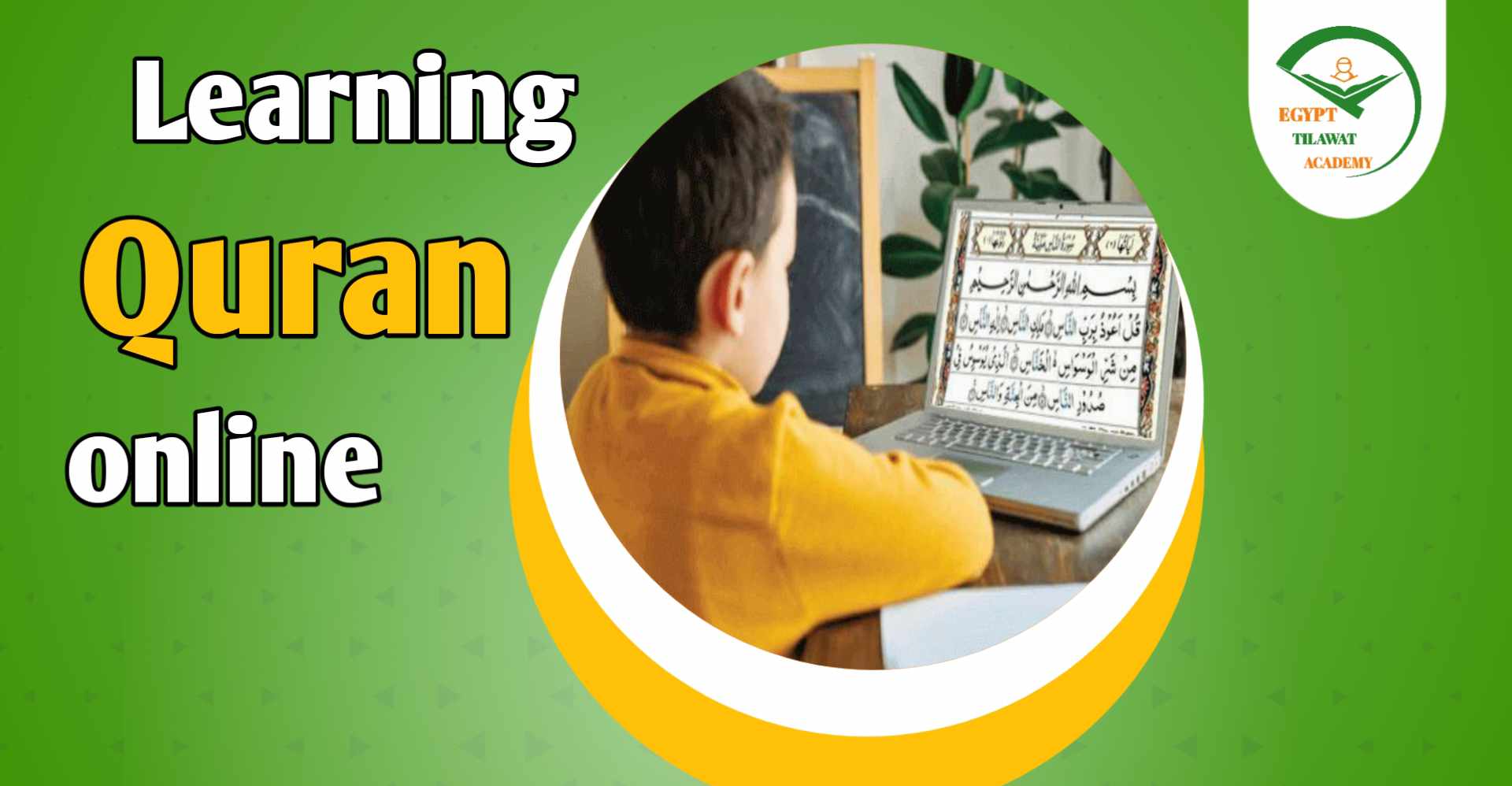
Online Quran classes can help families provide structured Islamic education without travelling to a local learning centre. This can be particularly useful for Muslim parents in the US, UK, Canada, and Australia who have difficulty finding suitable Quran teachers nearby.
A qualified online Quran tutor can guide children through each stage of Juz Amma memorization. Lessons can be adapted to the child's age, recitation level, and learning speed.
A structured program should ideally include:
Individual memorization plans: Lessons based on the child's current ability and goals.
Tajweed instruction: Guidance on correct pronunciation and essential recitation rules.
Live recitation practice: Opportunities for children to recite and receive immediate feedback.
Regular Muraja'ah: Planned revision of previously memorized Surahs.
Flexible scheduling: Lesson times that accommodate school and family commitments.
Progress monitoring: Regular feedback to help parents understand their child's development.
Why Choose Egypt Tilawat Academy for Juz Amma Memorization?
Choosing the right Quran learning platform is an important decision. Parents should look for qualified tutors, child-friendly teaching methods, flexible schedules, and a clear approach to monitoring progress.
Egypt Tilawat Academy offers an online learning option for families seeking structured Quran education. Its approach can support children who are beginning their memorization journey as well as learners who need to strengthen their recitation and revision skills.
Families considering the academy should look for a program that matches their child's needs, including:
Personalized Quran memorization lessons.
Qualified Arabic-speaking Quran tutors.
Support with Tajweed and correct recitation.
Flexible online learning arrangements.
Regular communication about learning progress.
A good teacher should be patient, encouraging, and able to explain difficult sounds in a way children can understand. Parents should also ask about the teacher's qualifications, lesson structure, and revision methods before enrolling.
With the right guidance, online Quran memorization classes can make Islamic learning more accessible and manageable for busy families.
Frequently Asked Questions About Juz Amma Memorization for Kids
How long does it take a child to memorize Juz Amma?
The time depends on the child's age, learning ability, and daily practice schedule. With consistent lessons, regular revision, and qualified guidance, children can gradually complete Juz Amma at a comfortable pace.
What is the easiest Surah for children to memorize?
Surah Al-Ikhlas, Surah Al-Kawthar, and Surah An-Nas are popular starting points for young learners. Their short length makes them suitable for children who are beginning Quran memorization.
How many verses should a child memorize each day?
There is no fixed number of verses that suits every child. Beginners may start with one to three verses daily, depending on their length and difficulty, while more experienced learners may memorize additional verses.
Can children memorize Juz Amma through online Quran classes?
Yes. Online Quran classes provide children with opportunities to learn directly from qualified Quran teachers through live lessons and personalized memorization plans. Regular recitation practice and revision help children improve their accuracy and retention.
Conclusion: Help Your Child Memorize Juz Amma with Confidence
Juz Amma memorization for kids is a valuable way to introduce children to the words of Allah and develop lasting Quran learning habits. With short daily lessons, suitable memorization techniques, proper Tajweed, and consistent Muraja'ah, children can make steady progress without feeling overwhelmed.
Parents do not need to rush the process. The most important things are correct recitation, regular practice, and a positive learning environment.
If you want your child to receive professional guidance, Egypt Tilawat Academy can be a starting point for exploring structured online Quran memorization lessons with qualified tutors.
Give your child the opportunity to learn the Quran with confidence. Book a free trial lesson with Egypt Tilawat Academy today and take the first step towards a stronger connection with the Quran.