Meem Sakinah Rules
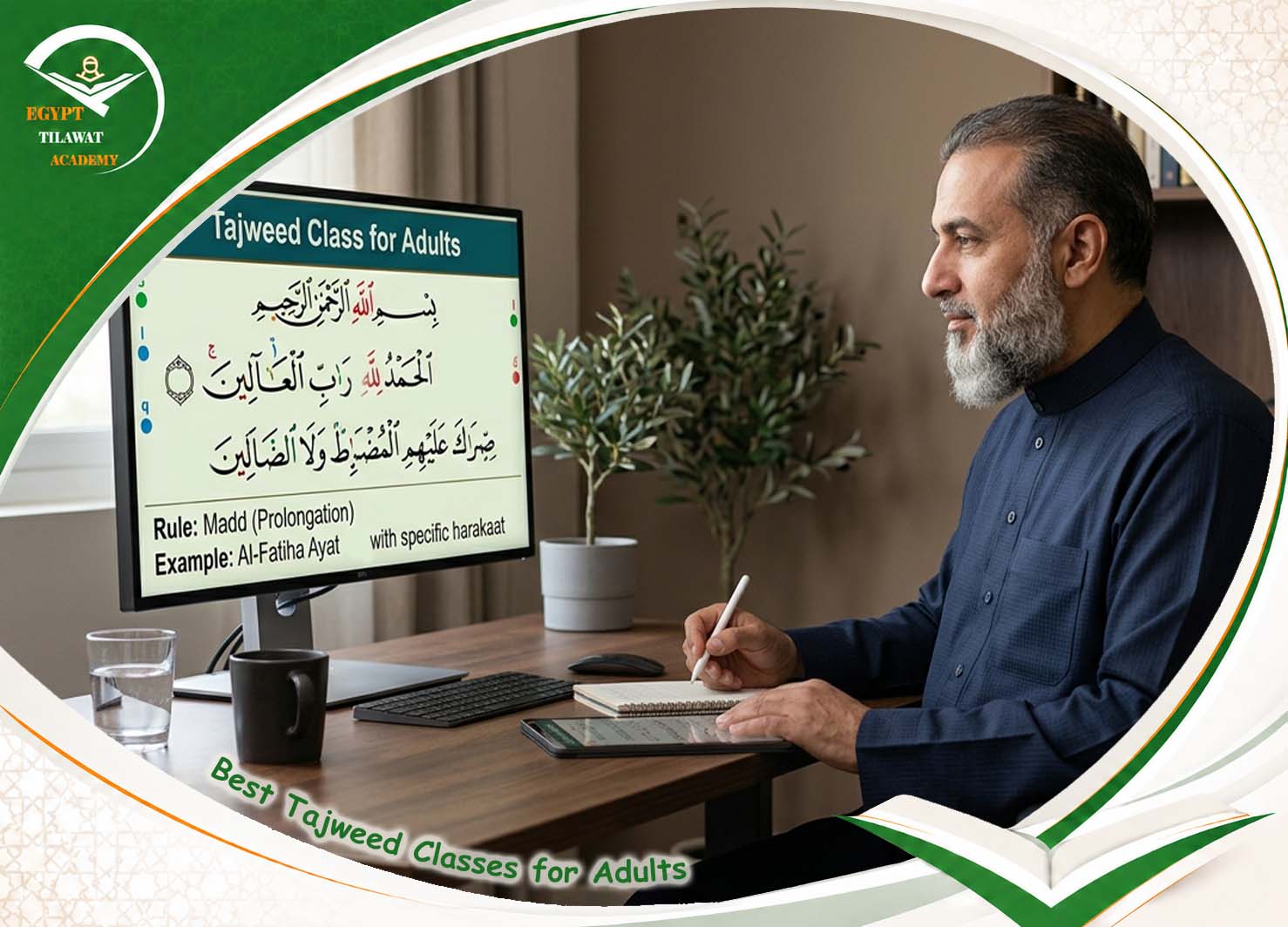
Meem sakinah rules refer to the
pronunciation guidelines in Arabic recitation (tajweed) when a 'meem' (م) is followed by a sukun (silent). The key
rule is to apply 'idgham' (merging) with a meem sakinah when it precedes
another meem, resulting in a nasalized sound.
If the following letter is not a
meem, pronounce the meem with slight nasalization or omit it, depending on
context. These Meem sakinah rules ensure proper articulation and flow in
Quranic recitation.
Learning the Meem Sakinah rules is an essential step toward reading the Quran correctly and improving your Tajweed. These rules explain how to pronounce the Arabic letter Meem (م) when it carries a Sukoon (ْ) and is followed by another Arabic letter. Although the concept may seem challenging for beginners, understanding its three basic rules makes Quran recitation easier and more accurate.
The three rules of Meem Sakinah are Ikhfa Shafawi, Idgham Shafawi, and Izhar Shafawi. Each rule uses a different pronunciation method depending on the letter that follows the silent Meem. For Muslims, children, converts, and non-Arabic speakers, learning Meem Sakinah rules helps develop better pronunciation, natural rhythm, and confidence when reading the Quran.
Whether you are learning Tajweed independently or attending online Quran lessons, understanding these rules will help you improve your recitation step by step.
What Are the Three Rules of Meem Sakinah?
The three rules of Meem Sakinah in Tajweed are:
- Ikhfa Shafawi: When Meem Sakinah (مْ) is followed by Baa (ب), the Meem is concealed with Ghunnah.
- Idgham Shafawi: When Meem Sakinah is followed by another Meem (م), both letters merge into one emphasized Meem with Ghunnah.
- Izhar Shafawi: When Meem Sakinah is followed by any of the remaining 26 Arabic letters, the Meem is pronounced clearly.
These rules help Quran learners understand how to produce the correct Meem sound in different word combinations.
What Are Meem Sakinah Rules in Tajweed?
Understanding the Meaning of Meem Sakinah
Meem Sakinah refers to the Arabic letter Meem (م) carrying a Sukoon (ْ). The Sukoon indicates that the letter does not have a short vowel sound, such as Fatha, Kasra, or Damma.
For example, the letter Meem can appear with different vowel marks:
- مَ: Meem with Fatha, producing a short Ma sound.
- مِ: Meem with Kasra, producing a short Mi sound.
- مُ: Meem with Damma, producing a short Mu sound.
- مْ: Meem with Sukoon, producing a consonant Meem sound without an additional short vowel.
Meem Sakinah is sometimes described as a silent Meem, but this does not mean that the letter is completely unpronounced. It still has its own sound. The Sukoon simply means that it does not carry a vowel.
Meem Sakinah can appear in the middle or at the end of Arabic words. Its pronunciation depends on the letter that follows it when the reader continues reciting.
For example, in the Quranic expression وَمَا هُم بِمُؤْمِنِينَ, the Meem at the end of هُم is followed by Baa. This creates an example of Ikhfa Shafawi.
Understanding this basic concept is important because all three Meem Sakinah rules are built around the same principle: identifying the next letter and applying the correct pronunciation.
Why Is Meem Sakinah Called Shafawi?
The Arabic word Shafawi (شفوي) means related to the lips. This name refers to the articulation point, or Makhraj, of the Arabic letter Meem.
To pronounce Meem correctly, both lips come together naturally. The sound also has an inherent nasal quality known as Ghunnah, which is produced through the nasal passage.
The three Meem Sakinah rules share the name Shafawi because they involve the articulation of Meem using the lips.
Understanding the role of the lips is especially important when learning Ikhfa Shafawi and Idgham Shafawi. In both rules, the reader must maintain the correct lip position while producing the appropriate nasal sound.
For beginners, practising the movement of the lips slowly can make these rules easier to understand and apply during Quran recitation.
What Are Meem Sakinah Rules?
The pronunciation of Meem Sakinah changes according to the Arabic letter immediately following it. Each of the three rules has a specific trigger letter or group of letters.
Here is a quick comparison:
| Rule | Following letter | Pronunciation |
|---|---|---|
| Ikhfa Shafawi | ب | Concealed Meem with Ghunnah |
| Idgham Shafawi | م | Merging two Meems with Ghunnah |
| Izhar Shafawi | Remaining 26 letters | Clearly pronounced Meem |
The first two rules involve Ghunnah held for approximately two counts in the commonly taught Hafs recitation. Izhar Shafawi requires clear articulation without an additional prolonged Ghunnah.
The most important thing to remember is that you do not need to memorize 28 separate pronunciation rules. Instead, you only need to identify three situations:
- Meem Sakinah before Baa means Ikhfa.
- Meem Sakinah before Meem means Idgham.
- Meem Sakinah before any other letter means Izhar.
Once you understand this pattern, recognizing the three rules in Quranic words becomes much easier.
First Rule: Ikhfa Shafawi (الإخفاء الشفوي)
What Is Ikhfa Shafawi?
Ikhfa Shafawi is the first of the three Meem Sakinah rules. The Arabic word Ikhfa means concealment or hiding, while Shafawi refers to the lips.
This rule occurs when Meem Sakinah (مْ) is followed by the Arabic letter Baa (ب).
Instead of pronouncing the Meem with complete clarity or merging it entirely into the following letter, the reader conceals the Meem sound while maintaining Ghunnah.
The nasal sound should be held for approximately two counts before moving smoothly to the Baa.
For example:
وَمَا هُم بِمُؤْمِنِينَ
In this Quranic expression, the Meem Sakinah in هُم is followed by Baa in بِمُؤْمِنِينَ. Therefore, the reader applies Ikhfa Shafawi.
This rule is particularly important because Meem and Baa are both associated with the lips. Their articulation points are close, so learners need to practise the transition carefully.
How to Pronounce Ikhfa Shafawi Correctly
Correct pronunciation requires proper lip positioning and controlled nasal airflow.
Follow these steps:
1. Identify the Meem Sakinah
First, locate the Meem carrying Sukoon in the Quranic word or expression.
2. Check the following letter
If the next letter is Baa (ب), you must apply Ikhfa Shafawi.
3. Position your lips naturally
Bring your lips together gently without pressing them too tightly. Avoid exaggerated movements that make the transition uncomfortable.
4. Produce the Ghunnah
Maintain a natural nasal sound for approximately two counts. The sound should be smooth and controlled rather than forced.
5. Move smoothly to Baa
After completing the Ghunnah, pronounce the Baa naturally without creating an unnecessary pause between the two letters.
A common mistake is pronouncing the Meem too clearly, as though applying Izhar, or merging it completely into Baa. Both approaches affect the intended pronunciation.
Practising slowly before increasing your recitation speed can help you develop better control.
Quranic Examples of Ikhfa Shafawi
Learning Meem Sakinah examples directly from the Quran makes it easier to recognize and apply the rule.
Here are three examples:
Example 1: Surah Al-Fil (105:4)
تَرْمِيهِم بِحِجَارَةٍ
Transliteration: Tarmīhim biḥijārah.
Meaning: Striking them with stones.
In this example, the Meem Sakinah at the end of تَرْمِيهِم is followed by Baa in بِحِجَارَةٍ. The reader conceals the Meem with Ghunnah for approximately two counts.
Example 2: Surah Al-Baqarah (2:8)
وَمَا هُم بِمُؤْمِنِينَ
Transliteration: Wa mā hum bi-mu'minīn.
Meaning: And they are not believers.
Here, the Meem Sakinah in هُم comes before Baa in بِمُؤْمِنِينَ. Therefore, Ikhfa Shafawi applies.
Example 3: Surah An-Naml (27:3)
وَهُم بِالْآخِرَةِ هُمْ يُوقِنُونَ
Transliteration: Wa hum bil-ākhirati hum yūqinūn.
Meaning: And they have certainty in the Hereafter.
The Meem at the end of وَهُم is followed by Baa in بِالْآخِرَةِ. This is another example of Ikhfa Shafawi.
Practising these examples repeatedly will help you recognize Baa after Meem Sakinah and produce the correct nasal sound during connected recitation.
Second Rule: Idgham Shafawi (الإدغام الشفوي)
What Is Idgham Shafawi?
Idgham Shafawi is the second rule of Meem Sakinah. The Arabic word Idgham means merging or combining.
This rule occurs when Meem Sakinah (مْ) is followed by another Meem (م).
Instead of pronouncing the two Meem letters separately, the reader merges the first Meem into the second. The resulting sound is a single emphasized Meem carrying Shaddah (ّ).
This merged Meem is pronounced with Ghunnah for approximately two counts.
For example:
أَطْعَمَهُم مِّن جُوعٍ
In this expression, the first Meem at the end of أَطْعَمَهُم is followed by another Meem in مِّن. Both letters merge into one emphasized Meem.
Idgham Shafawi is also commonly called Idgham Mithlayn Saghir because two identical letters meet, with the first carrying Sukoon and the second carrying a vowel.
The important point is that the two Meem sounds should not be separated. They become one continuous, emphasized sound.
How to Pronounce Idgham Shafawi Correctly
Applying Idgham Shafawi requires smooth merging and proper control of Ghunnah.
Follow these pronunciation steps:
1. Find the two Meem letters
Identify a Meem Sakinah followed immediately by another Meem.
2. Merge the two letters
Do not pronounce the first Meem independently. Allow it to merge naturally into the second Meem.
3. Pronounce the resulting Meem with Shaddah
The merged sound should be stronger and more emphasized than an ordinary Meem.
4. Maintain Ghunnah
Hold the nasal sound for approximately two counts. Keep it smooth and balanced.
5. Maintain natural lip movement
Both Meem letters share the same articulation point. Bring the lips together naturally and avoid creating a gap between the two sounds.
Beginners sometimes pronounce the first Meem, stop briefly, and then pronounce the second one. This creates an incorrect separation.
Remember that Idgham Shafawi requires merging, not two independent Meem sounds.
Quranic Examples of Idgham Shafawi
The following Quranic examples demonstrate how two Meem letters merge into one emphasized sound.
Example 1: Surah Quraysh (106:4)
أَطْعَمَهُم مِّن جُوعٍ
Transliteration: Aṭʿamahum min jūʿ.
Meaning: Who fed them against hunger.
The Meem at the end of أَطْعَمَهُم is followed by another Meem in مِّن. Both letters merge, and the resulting Meem is pronounced with Ghunnah.
Example 2: Surah Qaf (50:35)
لَهُم مَّا يَشَاءُونَ فِيهَا
Transliteration: Lahum mā yashā'ūna fīhā.
Meaning: They will have whatever they wish therein.
Here, the Meem Sakinah at the end of لَهُم is followed by another Meem in مَّا. The two letters merge into one emphasized Meem.
Example 3: Surah Al-Baqarah (2:10)
فِي قُلُوبِهِم مَّرَضٌ
Transliteration: Fī qulūbihim maraḍ.
Meaning: There is a disease in their hearts.
In this example, the Meem Sakinah in قُلُوبِهِم is followed by Meem in مَّرَضٌ. The reader applies Idgham Shafawi by merging the two letters with Ghunnah.
These examples demonstrate that Idgham Shafawi is straightforward once you learn to recognize two consecutive Meem letters.
Third Rule: Izhar Shafawi (الإظهار الشفوي)
What Is Izhar Shafawi?
Izhar Shafawi is the third rule of Meem Sakinah. The Arabic word Izhar means clarity or making something clear.
This rule occurs when Meem Sakinah (مْ) is followed by any Arabic letter except Baa (ب) and Meem (م).
Since the Arabic alphabet contains 28 letters, excluding Baa and Meem leaves 26 letters that trigger Izhar Shafawi.
Unlike Ikhfa Shafawi and Idgham Shafawi, this rule requires the reader to pronounce the Meem clearly without merging or concealing it.
For example:
أَلَمْ تَرَ
In this expression, Meem Sakinah is followed by the letter Taa (ت). Therefore, the reader pronounces the Meem clearly before moving to Taa.
One important detail is that clear pronunciation does not mean removing the natural nasal quality of Meem. It means avoiding additional prolongation or concealment.
Izhar Shafawi is especially important when Meem Sakinah comes before Waw (و) or Faa (ف). These letters require particular attention because their articulation involves the lips or nearby areas of the mouth.
How to Pronounce Izhar Shafawi Correctly
The main goal of Izhar Shafawi is to produce a clear Meem sound without unnecessary merging or nasal prolongation.
Here are the essential steps:
1. Identify Meem Sakinah
Look for the Arabic letter Meem carrying Sukoon.
2. Check the following letter
If the next letter is neither Baa nor Meem, apply Izhar Shafawi.
3. Pronounce Meem clearly
Bring your lips together naturally and produce a distinct Meem sound.
4. Avoid unnecessary Ghunnah prolongation
Do not hold the nasal sound for an additional two counts as you would in Ikhfa or Idgham.
5. Move naturally to the next letter
After pronouncing Meem clearly, transition smoothly to the following Arabic letter.
Pay special attention to Waw and Faa
Meem before Waw and Faa deserves extra attention during practice.
When Meem is followed by Waw, some beginners allow the two sounds to blend because both involve the lips. When Meem is followed by Faa, learners may fail to complete the Meem articulation clearly before moving to Faa.
For this reason, make sure the Meem remains distinct.
Quranic Examples of Izhar Shafawi
Here are three Quranic examples that demonstrate Izhar Shafawi.
Example 1: Surah Al-Fil (105:1)
أَلَمْ تَرَ كَيْفَ فَعَلَ رَبُّكَ
Transliteration: Alam tara kayfa faʿala rabbuka.
Meaning: Have you not seen how your Lord dealt with the companions of the elephant?
In أَلَمْ تَرَ, the Meem Sakinah is followed by Taa (ت). The reader must pronounce the Meem clearly before moving to the next letter.
Example 2: Surah Al-Fatihah (1:7)
عَلَيْهِمْ وَلَا الضَّالِّينَ
Transliteration: ʿAlayhim wa laḍ-ḍāllīn.
Meaning: Not of those who have earned Your anger or those who are astray.
Here, the Meem Sakinah in عَلَيْهِمْ is followed by Waw (و). This requires clear articulation of the Meem before pronouncing the Waw.
Example 3: Surah Al-Baqarah (2:25)
وَهُمْ فِيهَا خَالِدُونَ
Transliteration: Wa hum fīhā khālidūn.
Meaning: And they will remain therein forever.
In this example, Meem Sakinah in هُمْ comes before Faa (ف). Therefore, the reader applies Izhar Shafawi and pronounces the Meem clearly.
Practising these examples helps learners understand why Izhar Shafawi applies to most Arabic letters and why special attention is needed when Meem comes before Waw or Faa.
Difference Between the Three Rules of Meem Sakinah
Understanding the differences between Ikhfa Shafawi, Idgham Shafawi, and Izhar Shafawi is essential for correct Quran recitation.
Although all three rules involve Meem Sakinah, their pronunciation methods are different.
Here is a comparison chart:
| Feature | Ikhfa Shafawi | Idgham Shafawi | Izhar Shafawi |
|---|---|---|---|
| Trigger letter | Baa (ب) | Meem (م) | Remaining 26 letters |
| Main meaning | Concealment | Merging | Clarity |
| Pronunciation | Concealed Meem | One emphasized Meem | Clear Meem |
| Ghunnah | Two counts | Two counts | No additional prolonged Ghunnah |
| Lip movement | Natural, gentle closure | Merge into the next Meem | Clear articulation |
| Example | هُم بِمُؤْمِنِينَ | لَهُم مَّا | أَلَمْ تَرَ |
Ikhfa Shafawi vs Idgham Shafawi
The main difference between these two rules is the letter that follows Meem Sakinah.
Ikhfa Shafawi occurs before Baa. The Meem is concealed while maintaining Ghunnah.
Idgham Shafawi occurs before another Meem. The two letters merge into one emphasized Meem with Ghunnah.
Both rules involve a nasal sound held for approximately two counts, but their articulation methods are different.
Idgham Shafawi vs Izhar Shafawi
Idgham Shafawi involves merging two Meem letters into one emphasized sound.
Izhar Shafawi requires the Meem to remain clearly pronounced before the following letter.
For example, in لَهُم مَّا, the two Meem letters merge. However, in أَلَمْ تَرَ, the Meem is pronounced clearly before Taa.
Ikhfa Shafawi vs Izhar Shafawi
Ikhfa Shafawi occurs specifically when Meem Sakinah is followed by Baa.
Izhar Shafawi applies when the following letter is any Arabic letter except Baa and Meem.
The main distinction is that Ikhfa involves concealment with Ghunnah, while Izhar requires clear articulation without additional prolonged Ghunnah.
Common Mistakes to Avoid When Learning Meem Sakinah Rules
Learning the rules is important, but avoiding common pronunciation mistakes is equally necessary.
Here are some errors beginners should watch for:
1. Confusing Ikhfa and Idgham: Both involve Ghunnah, but Ikhfa occurs before Baa, while Idgham occurs before Meem.
2. Pronouncing Meem before Baa incorrectly: Some learners pronounce Meem too clearly instead of applying the required concealment.
3. Ignoring Ghunnah: Ikhfa and Idgham require an appropriate nasal sound held for approximately two counts.
4. Prolonging Ghunnah in Izhar: Avoid adding unnecessary nasal prolongation when Meem should be pronounced clearly.
5. Overlooking Waw and Faa: Pay particular attention to Meem before these letters to avoid blending or weakening its pronunciation.
6. Learning without practical recitation: Memorizing definitions is not enough. You must practise the rules using actual Quranic examples.
Listening to qualified Quran teachers and receiving individual pronunciation corrections can help identify mistakes that may be difficult to notice independently.
How to Practice and Memorize the Three Rules of Meem Sakinah
Consistent practice is one of the best ways to improve your understanding of Meem Sakinah rules.
You do not need to memorize every Quranic example at once. Instead, focus on one rule at a time and gradually apply it during complete Quran recitation.
Practice Each Rule With Quranic Examples
Start by choosing three examples for each rule.
Practise Ikhfa Shafawi examples such as تَرْمِيهِم بِحِجَارَةٍ.
Then move to Idgham Shafawi examples such as أَطْعَمَهُم مِّن جُوعٍ.
Finally, practise Izhar Shafawi using examples such as أَلَمْ تَرَ.
Repeat each example slowly, paying attention to the following letter and the correct pronunciation method.
Listen to Professional Quran Reciters
Listening to experienced Quran reciters can help you understand how the three rules sound during natural recitation.
Choose a reciter whose pronunciation is clear and follow along with the Mushaf.
Listen to a short passage, identify the Meem Sakinah, and repeat the passage while trying to reproduce the correct sound.
This method can improve your pronunciation, rhythm, and understanding of Ghunnah.
Learn With a Qualified Tajweed Teacher
A qualified Tajweed teacher can identify pronunciation mistakes and explain how to correct them.
Personalized instruction is particularly helpful for beginners and non-Arabic speakers who may struggle with Arabic articulation points.
A teacher can listen to your recitation, correct your lip positioning, and help you apply each rule in different Quranic contexts.
Structured Tajweed lessons also make it easier to progress from basic pronunciation to more advanced Tajweed concepts.
Learn Meem Sakinah Rules With Egypt Tilawat Academy
Understanding Tajweed becomes easier when you combine theoretical knowledge with guided Quran recitation practice.
Egypt Tilawat Academy offers an opportunity for Quran learners to develop their recitation skills through structured online learning. Whether you are a beginner, an adult returning to Quran study, or a parent looking for Quran education for your children, guided Tajweed instruction can help you build a stronger foundation.
Structured Tajweed Lessons for Beginners and Advanced Learners
Learning Tajweed step by step helps students understand Arabic pronunciation, articulation points, and essential Quran recitation rules.
A structured learning approach allows students to begin with foundational concepts such as Meem Sakinah, Noon Sakinah, and Tanween before progressing to more advanced topics.
Personalized Online Quran Learning
Online Quran learning provides a convenient way to study from home, especially for Muslim families living in the USA, UK, Canada, and Australia.
Students can learn without travelling to a physical learning centre, making Quran education easier to fit around school, work, and family responsibilities.
Improve Your Quran Recitation With Expert Guidance
Learning the three Meem Sakinah rules is an important step toward more accurate Quran recitation.
With proper guidance, regular practice, and individual feedback, students can gradually improve their pronunciation and confidence.
Start improving your Quran recitation with guided Tajweed lessons at Egypt Tilawat Academy. Learn the rules step by step and build confidence in reading the Quran correctly.