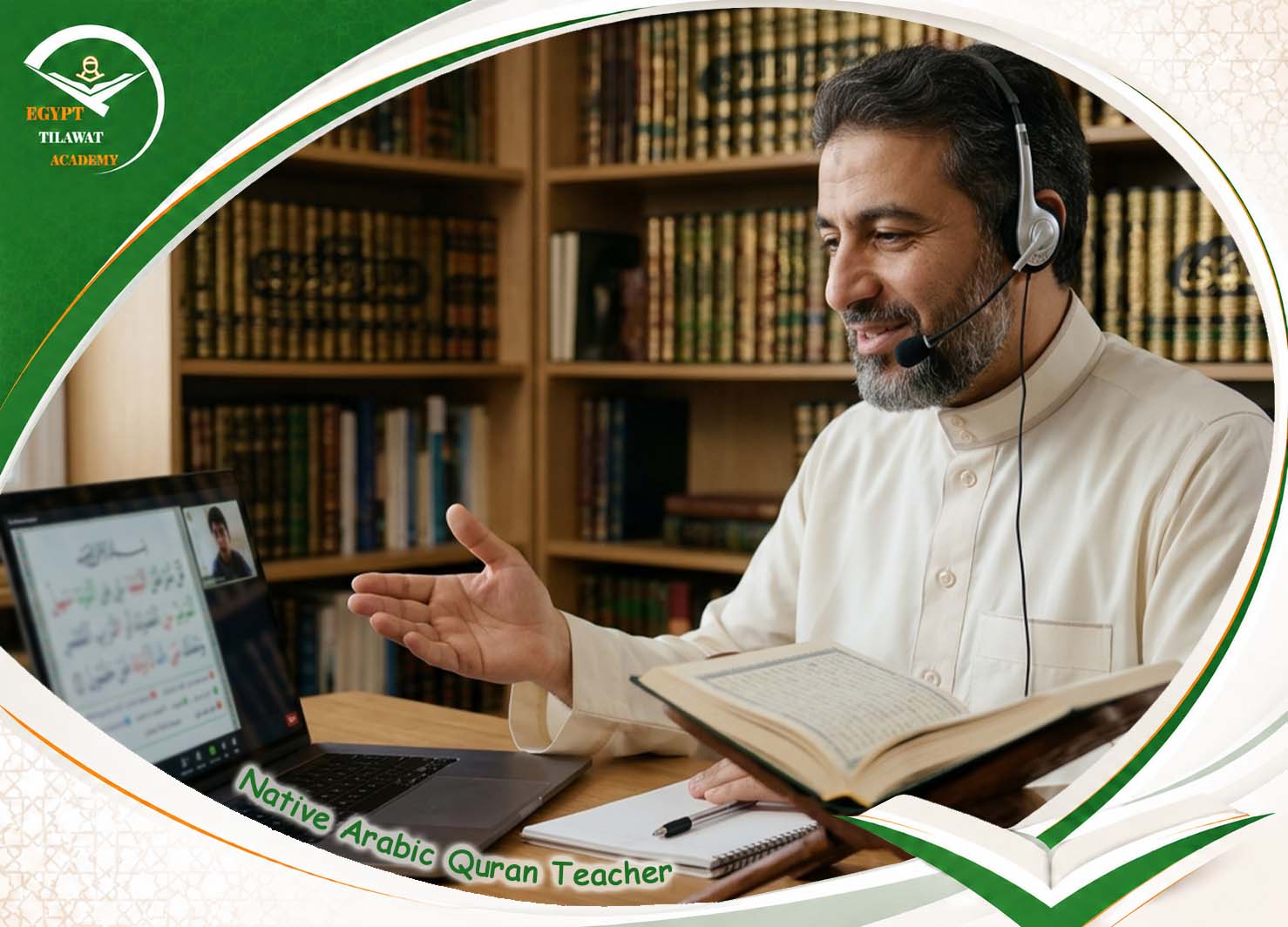
Native Arabic Quran Teacher
A native Arabic Quran teacher is essential for mastering proper pronunciation (tajweed), fluency, and understanding of the Quran’s linguistic nuances. Their native command of Arabic ensures accurate recitation, intonation, and contextual comprehension, which are critical for spiritual and academic growth in Quranic studies.
Native Arabic Quran teachers also provide cultural and historical insights, enriching the learning experience. For non-Arabic speakers, learning from a native speaker offers the best foundation in authentic Arabic phonetics and grammar.
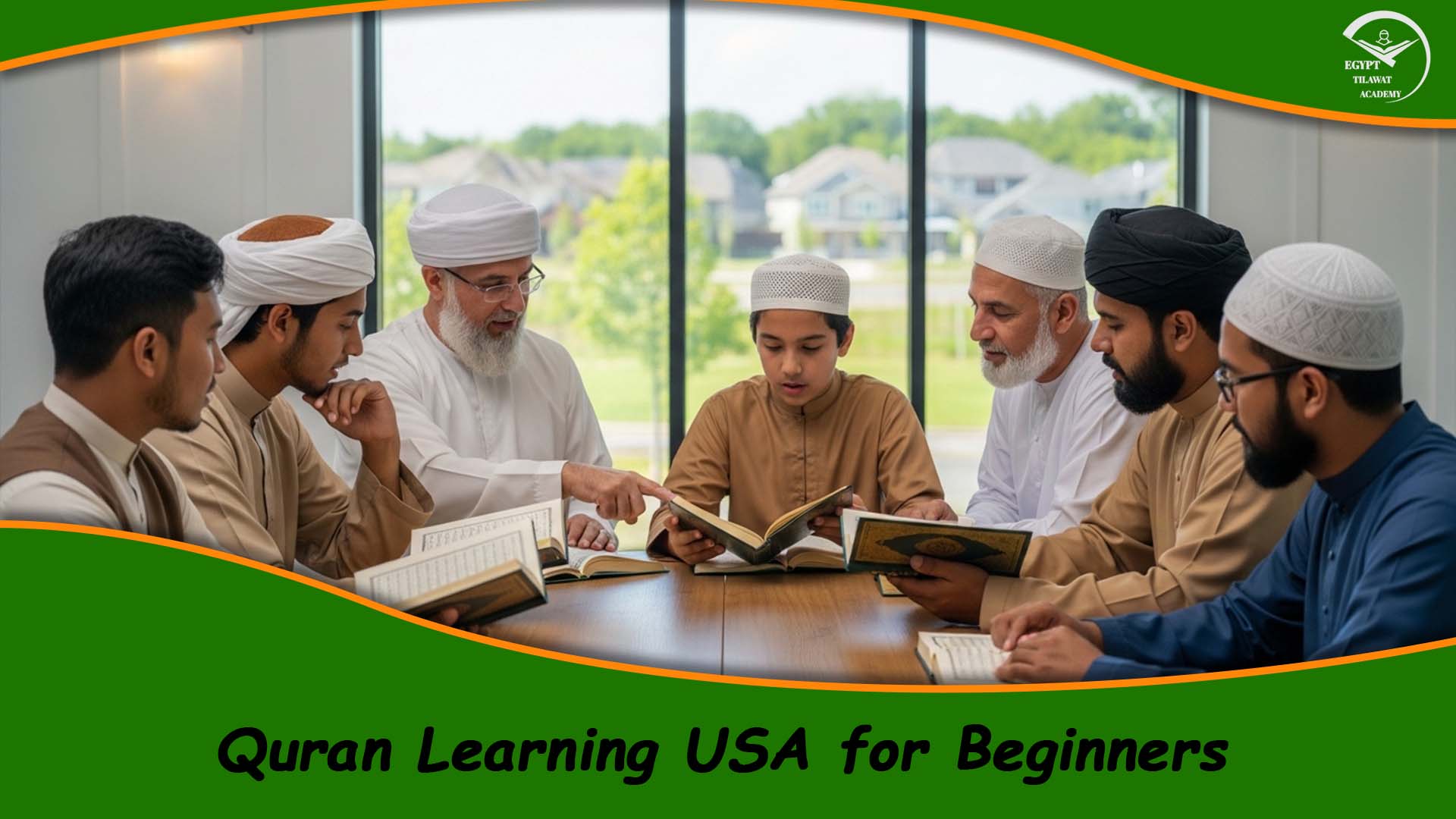
Learning the Quran with a native Arabic Quran teacher can help you develop accurate pronunciation, improve your recitation, and understand the foundations of Tajweed. Whether you are a beginner, an adult returning to Quran study, a parent looking for lessons for your children, or a new Muslim starting your learning journey, having the right teacher makes a meaningful difference.
For Muslims living in the USA, UK, Canada, and Australia, finding a qualified Arabic-speaking Quran instructor locally is not always easy. Busy schedules, different time zones, and limited access to experienced teachers can make regular learning challenging.
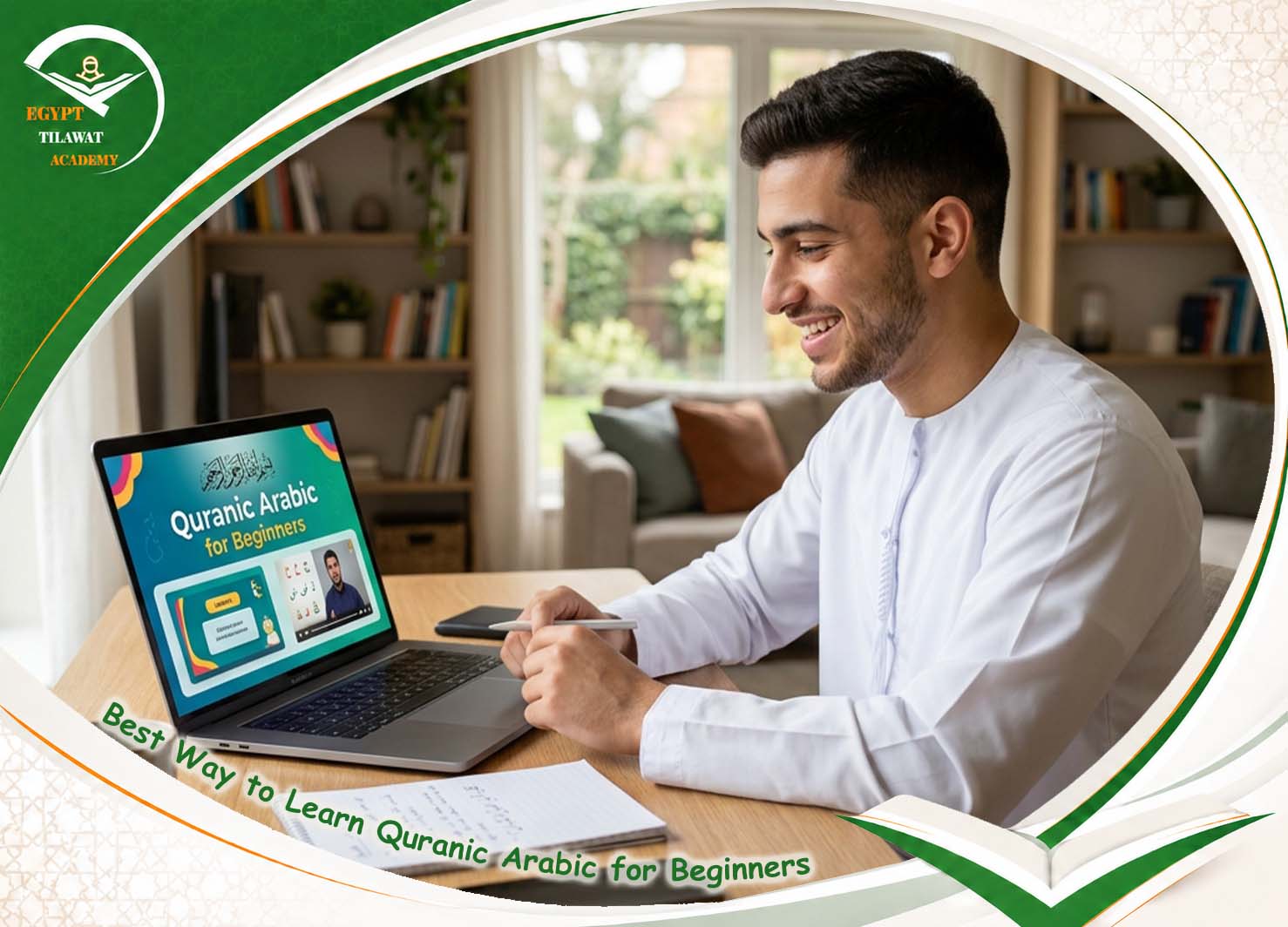
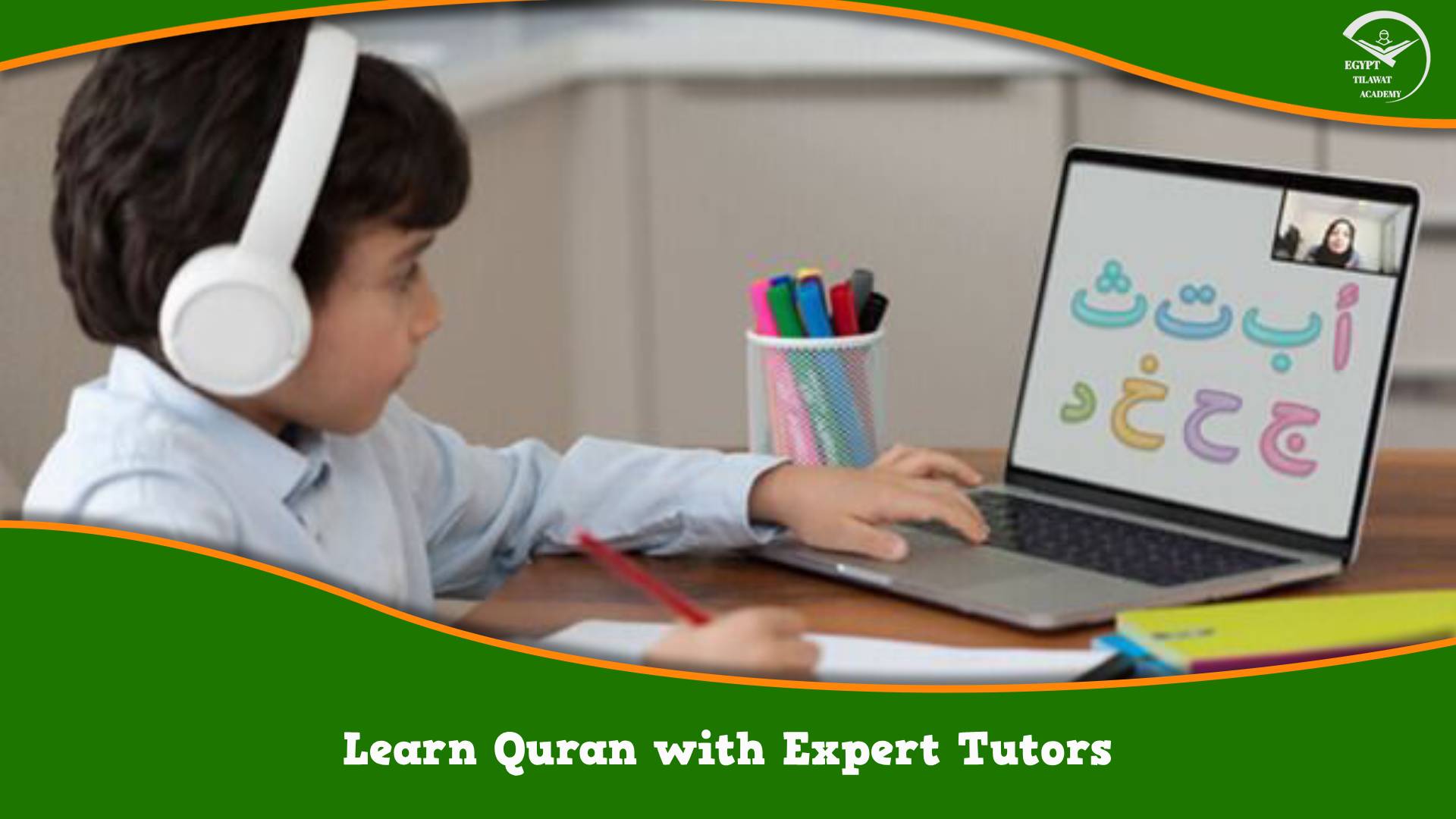
Online Quran classes offer a practical alternative. Through live lessons, students can receive individual guidance, practise Arabic pronunciation, and gradually improve their Quran reading skills from home.
At Egypt Tilawat Academy, learners can explore online Quran education options suited to different learning needs. The key is to choose a teacher who combines strong Quranic knowledge, effective teaching methods, and the ability to support students at their current level.
Discover what to look for in a native Arabic Quran tutor and how to choose the right learning program for yourself or your family.
Why Choose a Native Arabic Quran Teacher for Learning the Quran?
Learning the Quran requires more than recognising Arabic letters and reading written words. Correct recitation involves understanding how each letter is pronounced, where its sound originates, and how different Tajweed rules affect the way Quranic words are read.
A native Arabic Quran teacher can provide valuable exposure to authentic Arabic pronunciation and help students recognise sounds that may be unfamiliar to English speakers. However, being a native speaker alone does not guarantee teaching ability. The most suitable instructor should also have strong Quranic knowledge, appropriate Tajweed training, and experience teaching learners at different levels.
For non-Arabic speakers, this combination is especially important. Some Arabic sounds do not have direct equivalents in English. Without individual correction, beginners may develop pronunciation habits that become difficult to change later.
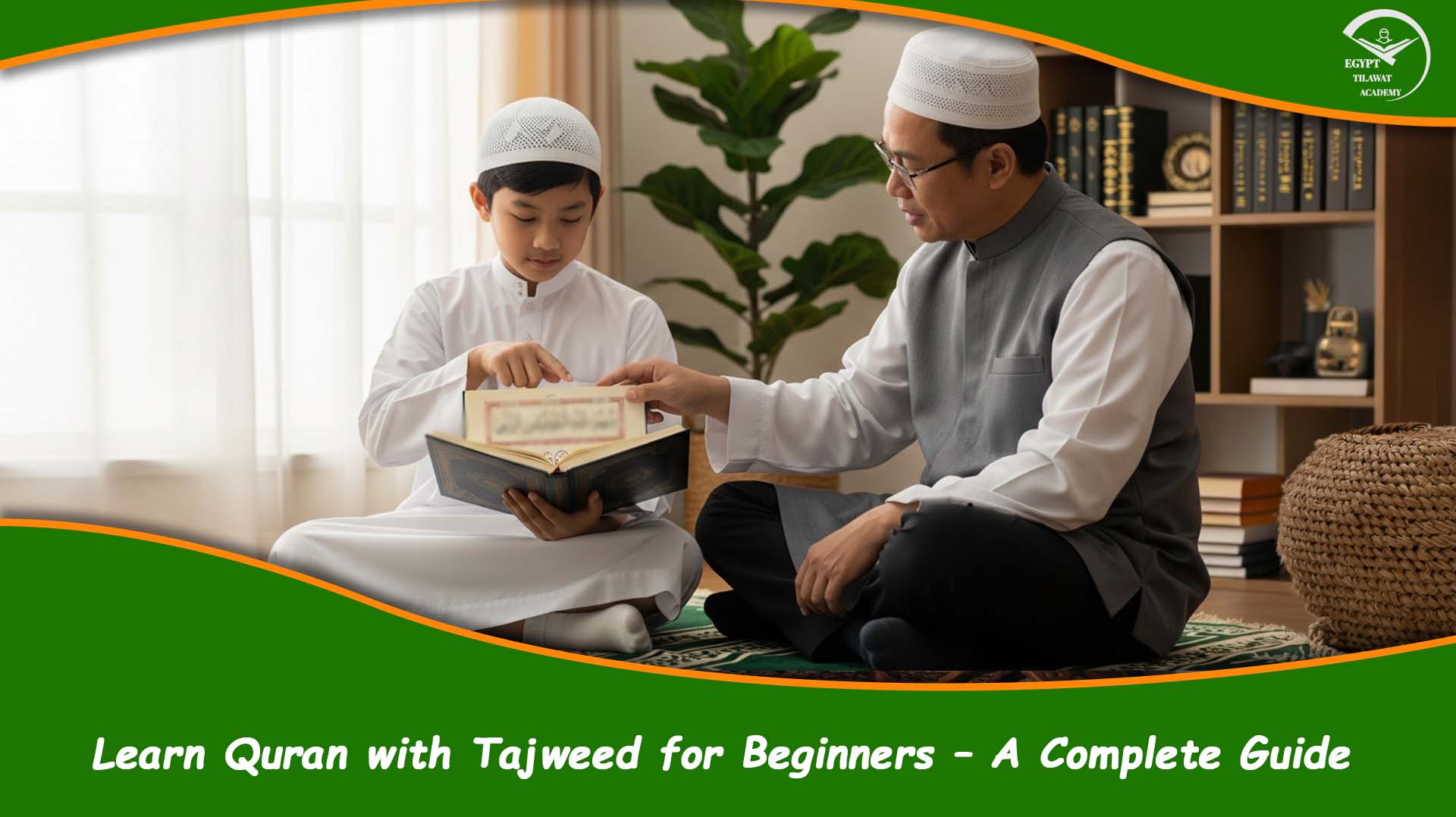
A qualified Arabic Quran teacher can listen carefully, identify mistakes, demonstrate correct articulation, and provide regular opportunities to practise.
Learning with a suitable instructor also makes it easier to follow a structured study plan. Instead of moving between unrelated videos and online resources, students can work towards clear goals and receive feedback throughout their progress.
Learn Correct Arabic Pronunciation and Quranic Articulation
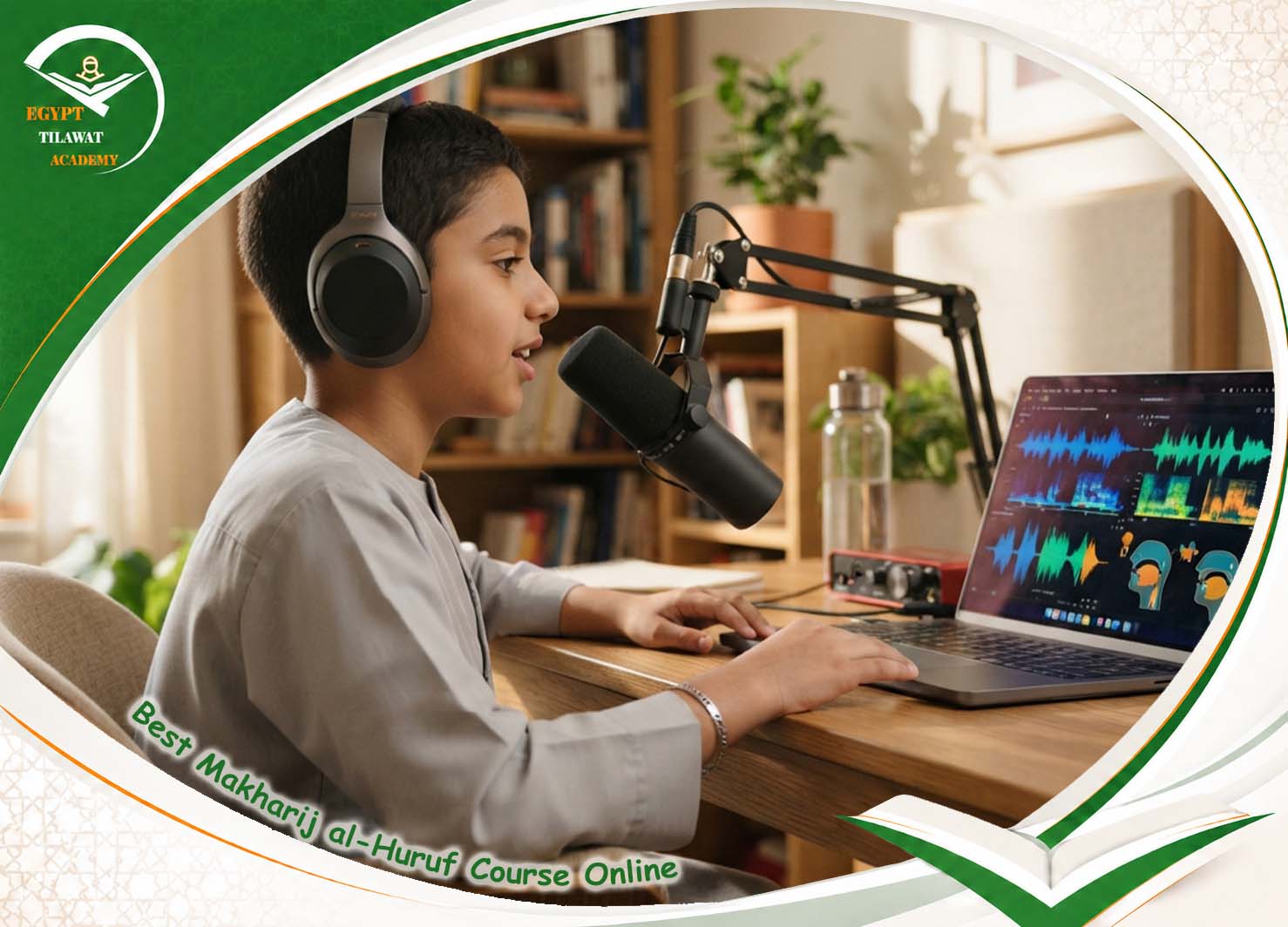
Arabic pronunciation is one of the most important foundations of Quran recitation. Every Arabic letter has a specific articulation point, known as its Makhraj, and particular characteristics that influence how it should sound.
For English-speaking students, distinguishing between similar Arabic letters can be challenging. Letters such as ح, ه, ع, أ, ص, and س may initially sound unfamiliar.
A knowledgeable Quran teacher can demonstrate the correct mouth and throat positions, explain the differences between similar sounds, and help students practise until their pronunciation becomes more accurate.
Students also learn to recognise the articulation points of individual letters rather than relying on approximate English sounds. This is particularly useful for beginners who are developing their reading skills.
Regular correction helps learners become more confident and reduces the likelihood of repeating the same pronunciation mistakes.
Improve Quran Recitation with Proper Tajweed Rules
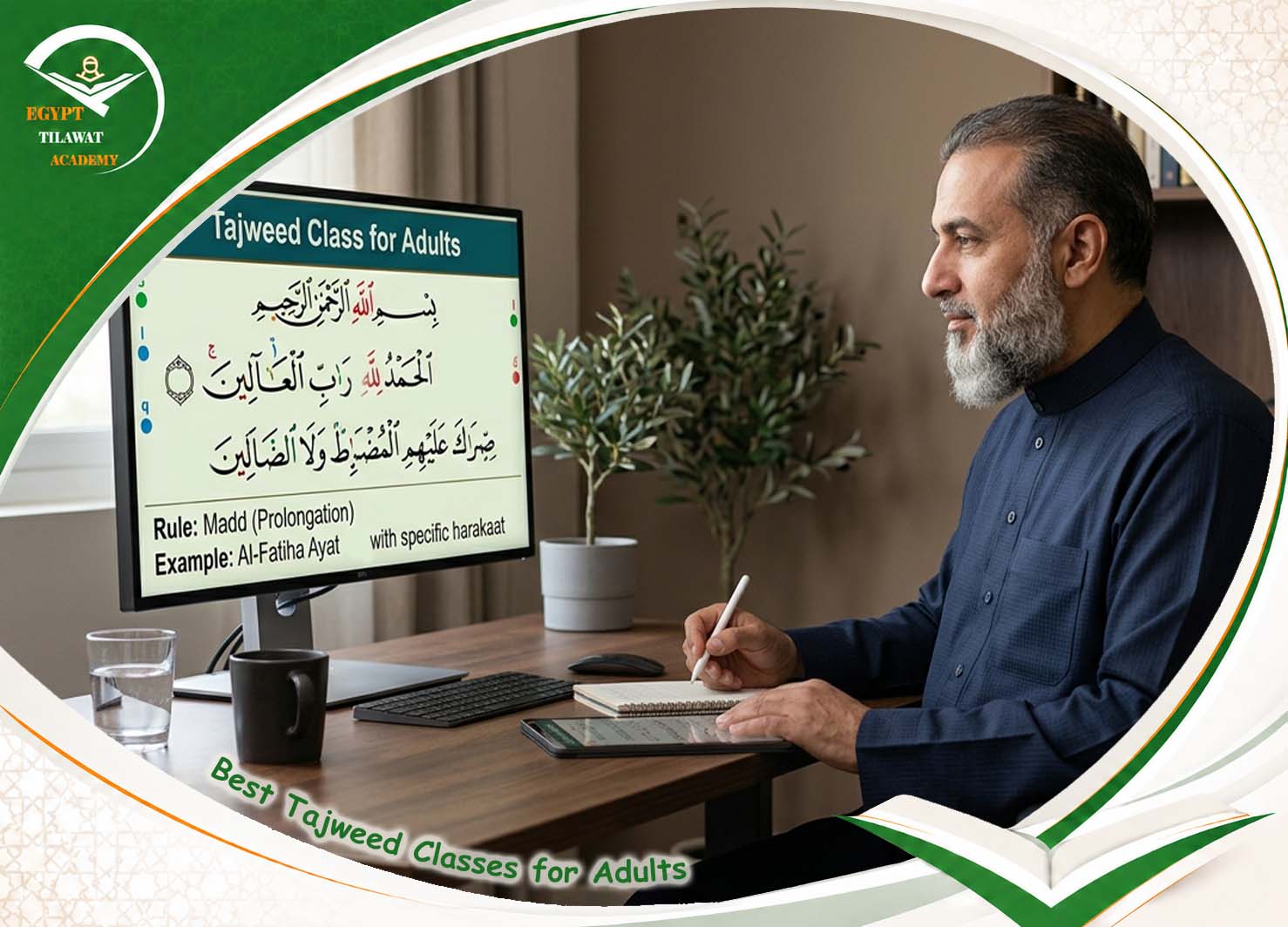
Tajweed is the set of rules that guides the correct recitation of the Holy Quran. It teaches students how to pronounce letters properly and observe the characteristics, timing, and connections required during recitation.
A qualified Quran Tajweed teacher can introduce these rules gradually, according to the student's reading ability.
Important Tajweed topics include:
Makharij al-Huruf: The articulation points from which Arabic letters originate.
Sifaat al-Huruf: The characteristics of Arabic letters.
Noon Sakinah and Tanween: Rules governing their pronunciation in different contexts.
Madd: The rules of elongation during Quran recitation.
Qalqalah: The echoing characteristic of certain Arabic letters.
Ghunna: The nasal sound associated with specific Tajweed rules.
Rather than memorising every rule at once, students should learn each concept through explanation, demonstration, and practical recitation.
A teacher can identify where a learner needs improvement and provide examples directly from the Quran. This makes Tajweed easier to understand and apply consistently.
Understand Arabic Sounds and Quranic Language Naturally
Studying with a native Arabic-speaking Quran instructor also exposes students to authentic Arabic sounds and pronunciation patterns.
This can be especially helpful for learners who want to develop their understanding of Quranic Arabic alongside recitation.
Although learning with a native speaker does not automatically teach someone Arabic grammar or vocabulary, it provides useful listening and pronunciation practice.
Students interested in deeper Quranic understanding can gradually explore Arabic vocabulary, common Quranic expressions, and the meanings of frequently repeated words.
Combining recitation practice with structured Quranic Arabic lessons can support a broader learning journey.
What Can You Learn with a Native Arabic Quran Teacher?
A native Arabic Quran teacher can support students through several stages of Quran education, depending on the instructor's qualifications and the available learning programs.
Some learners need help reading Arabic for the first time. Others already read the Quran but want to improve their pronunciation, study Tajweed, or memorise additional Surahs.
Choosing lessons that match your current abilities is important. A beginner does not need the same learning plan as someone who has already studied Tajweed or memorised several parts of the Quran.
A structured learning program should begin with an assessment of the student's reading ability, previous knowledge, and personal goals.
From there, the teacher can recommend suitable lessons and adjust the pace as the student progresses.
Quran Reading for Beginners
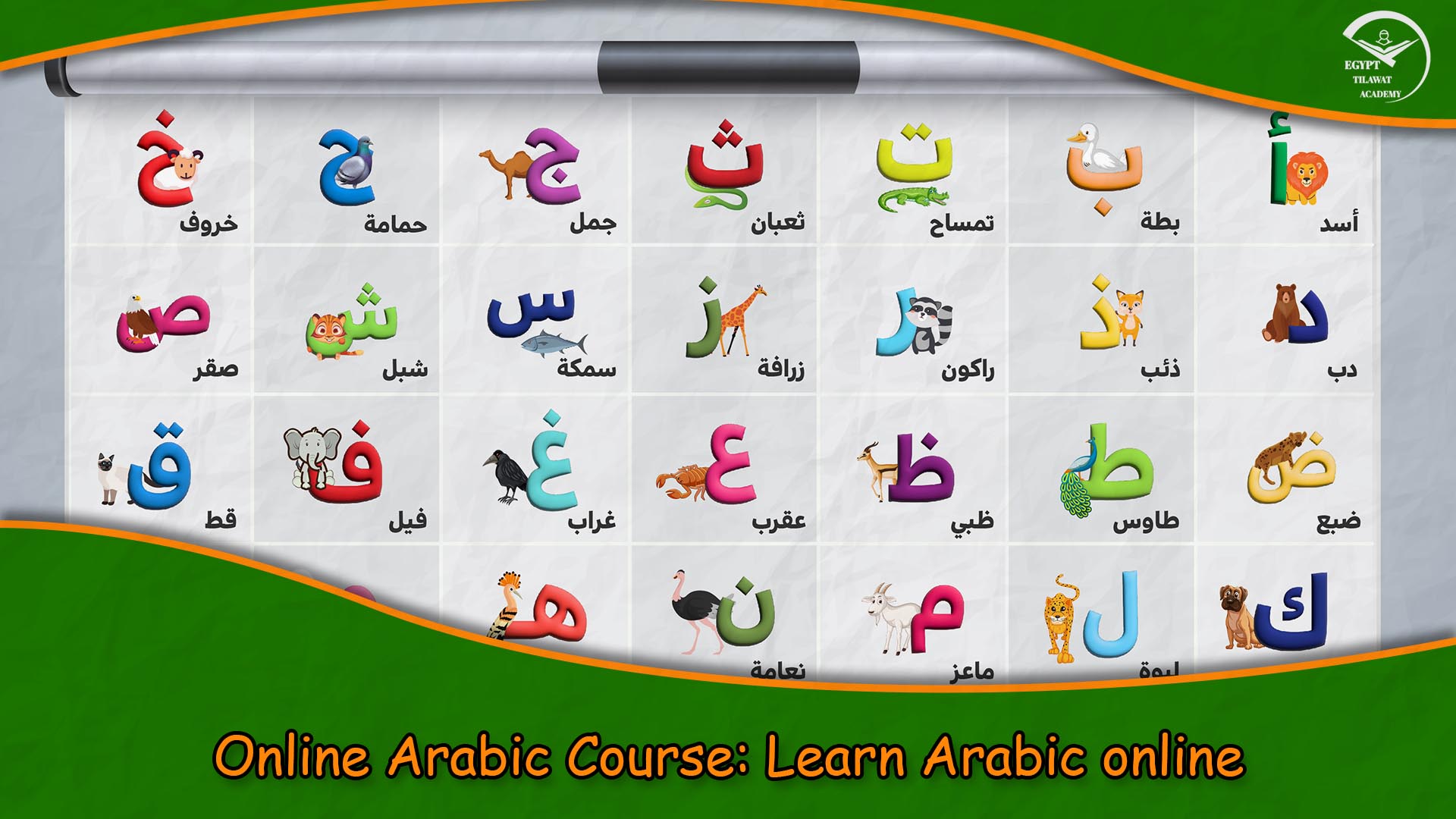
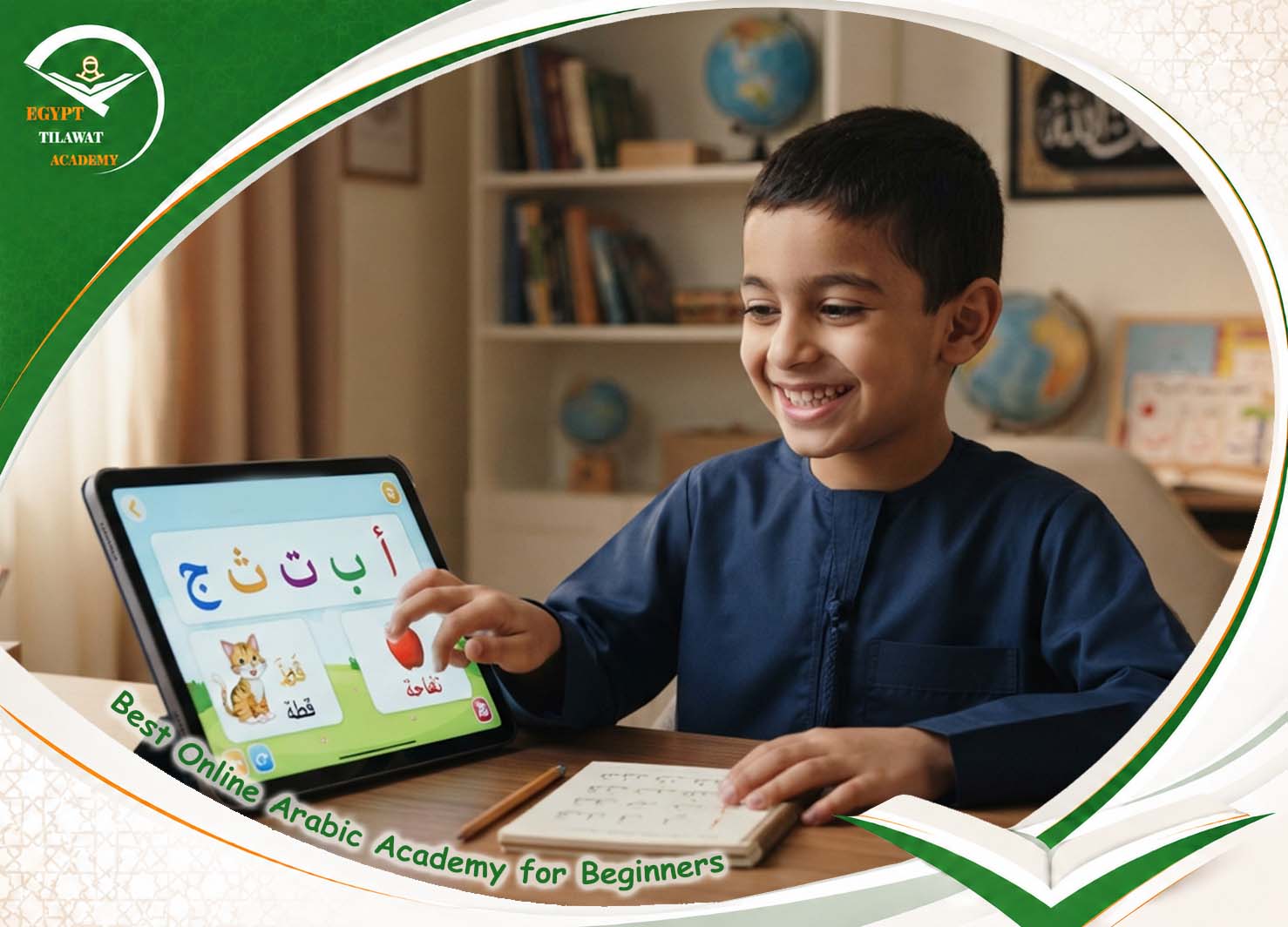
If you cannot read Arabic yet, beginning with the Arabic alphabet is a sensible first step.
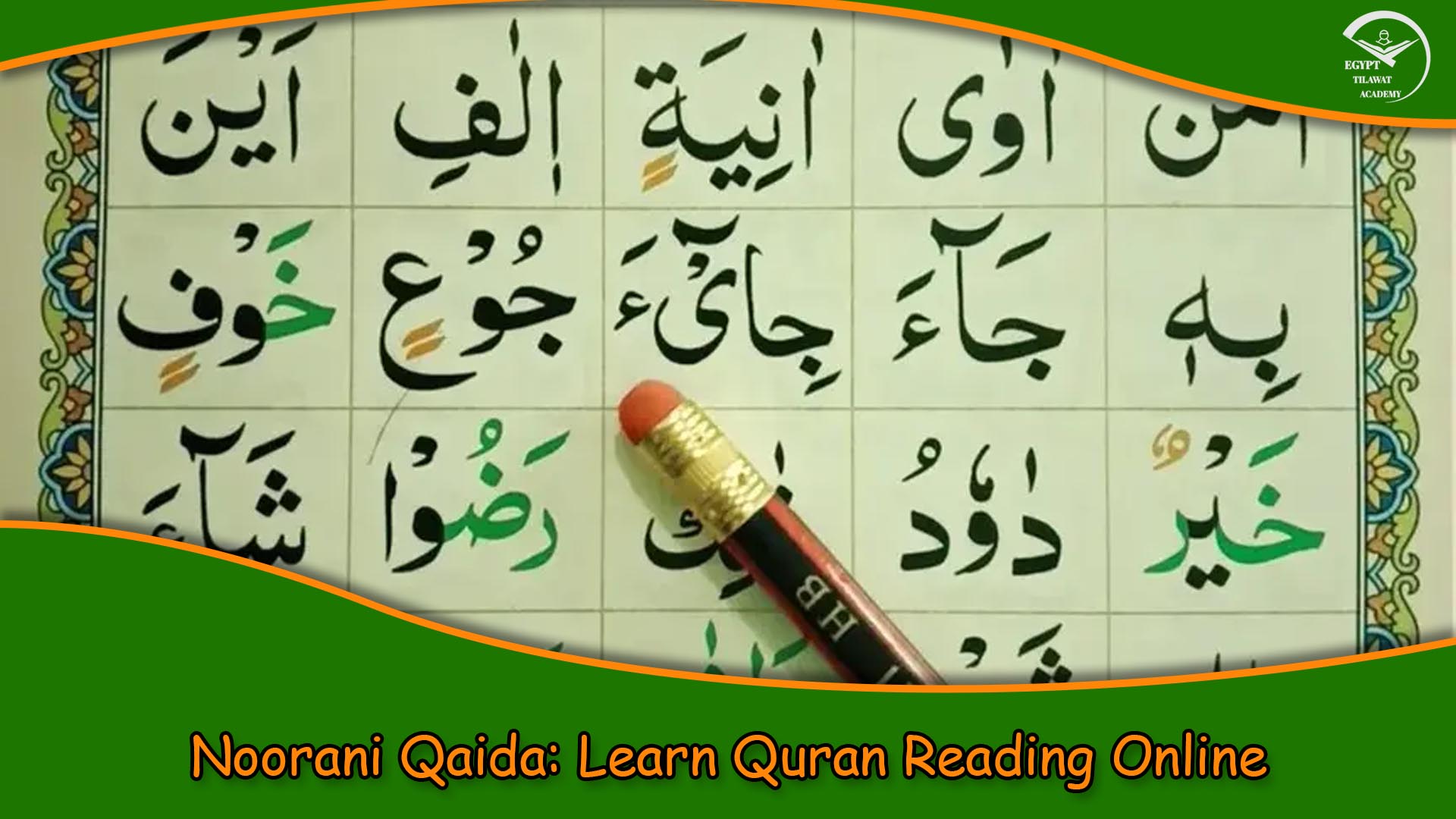
Beginner Quran lessons generally introduce students to individual Arabic letters, their shapes, sounds, and basic vowel marks. Once learners recognise the letters, they can practise combining them to read simple Arabic words.
Many beginners follow a structured approach using Noorani Qaida or a similar foundational reading resource.
This learning stage may cover:
- Recognising the Arabic alphabet.
- Understanding Fatha, Kasra, and Damma.
- Learning Sukoon and Shaddah.
- Reading connected Arabic letters.
- Pronouncing simple words correctly.
- Developing fluency through regular practice.
A patient Quran teacher can help beginners overcome common difficulties by demonstrating sounds and correcting mistakes immediately.
Children, adults, and new Muslims can all benefit from starting at the appropriate level rather than rushing into advanced recitation.
Quran Recitation and Tajweed Lessons
Students who already know how to read Arabic may benefit from dedicated Quran recitation lessons.
These classes focus on improving reading accuracy, applying Tajweed rules, and developing a smoother recitation style.
A Quran recitation teacher can listen to students reading selected verses, identify mistakes, and demonstrate how to correct them.
Lessons may include practising Makharij, learning letter characteristics, applying Noon Sakinah and Tanween rules, and understanding different forms of Madd.
Students should also practise reading connected verses instead of studying isolated examples alone. This helps them apply Tajweed rules in their natural Quranic context.
Consistent feedback is important because some pronunciation mistakes are difficult to identify without an experienced listener.
With regular lessons and personal practice, students can gradually develop greater confidence and accuracy in their recitation.
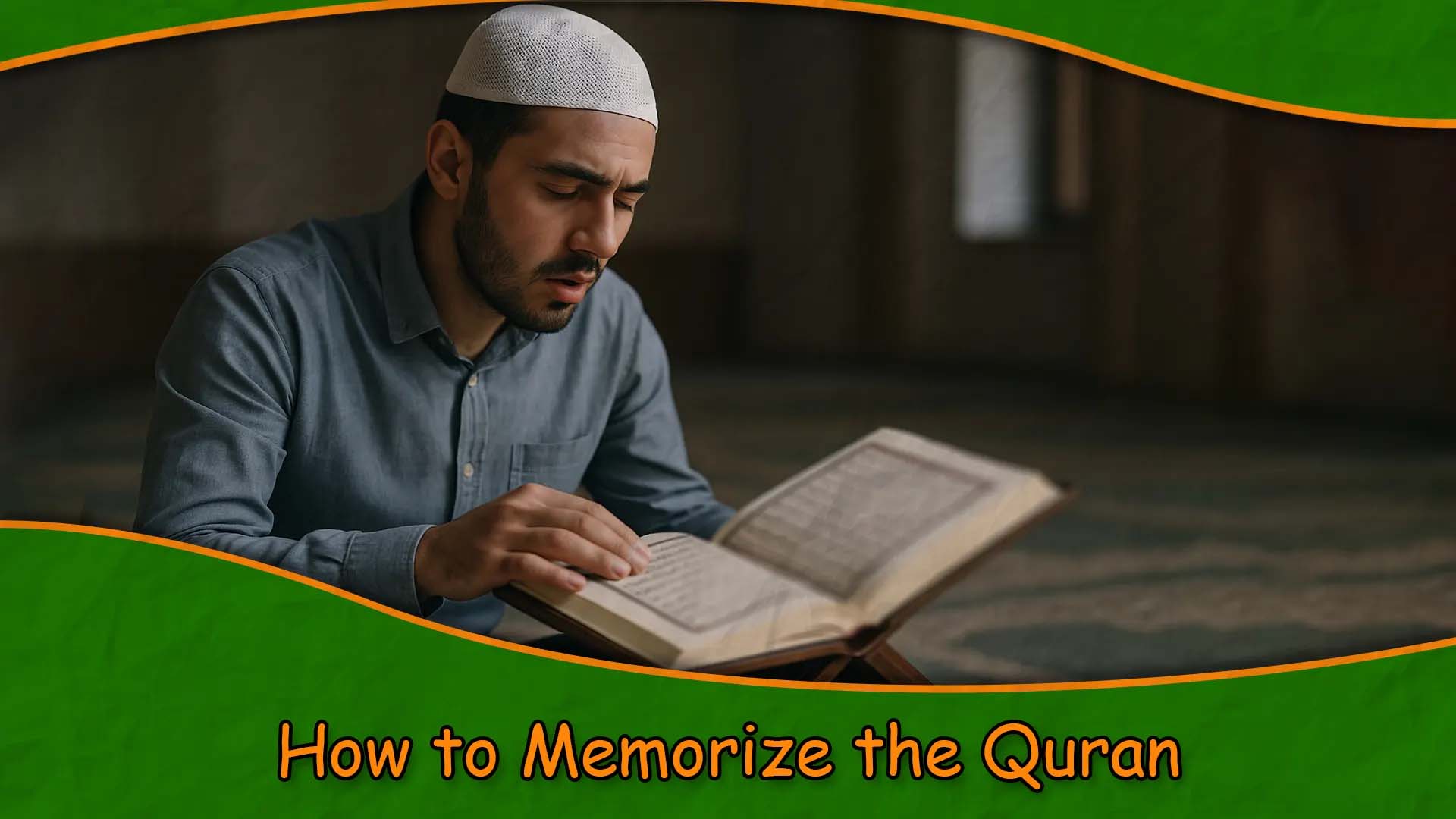
Quran Memorization and Hifz Programs
Memorising the Quran requires consistency, patience, and a reliable revision routine.
A Quran Hifz teacher can help students organise their memorisation into manageable portions while maintaining previously memorised passages.
A structured Hifz plan generally includes three important activities:
New memorisation: Students learn a manageable amount of new Quranic material according to their ability and available practice time.
Recent revision: Recently memorised verses are repeated regularly to strengthen retention.
Long-term Murajaah: Previously memorised Surahs and passages are reviewed to reduce forgetting and maintain accuracy.
A teacher can listen to recitation, correct pronunciation, identify missed words, and help students recognise where additional revision is needed.
Children may benefit from shorter memorisation sessions, while adults might prefer a flexible plan that fits around professional and family responsibilities.
The amount memorised should depend on the student's ability rather than pressure to progress quickly. Consistency and accurate recitation are more important than memorising large portions without sufficient revision.
Quranic Arabic and Islamic Studies
Some learners want to go beyond reading and reciting the Quran. They also want to understand the meanings of the words and explore the Islamic knowledge connected to their studies.
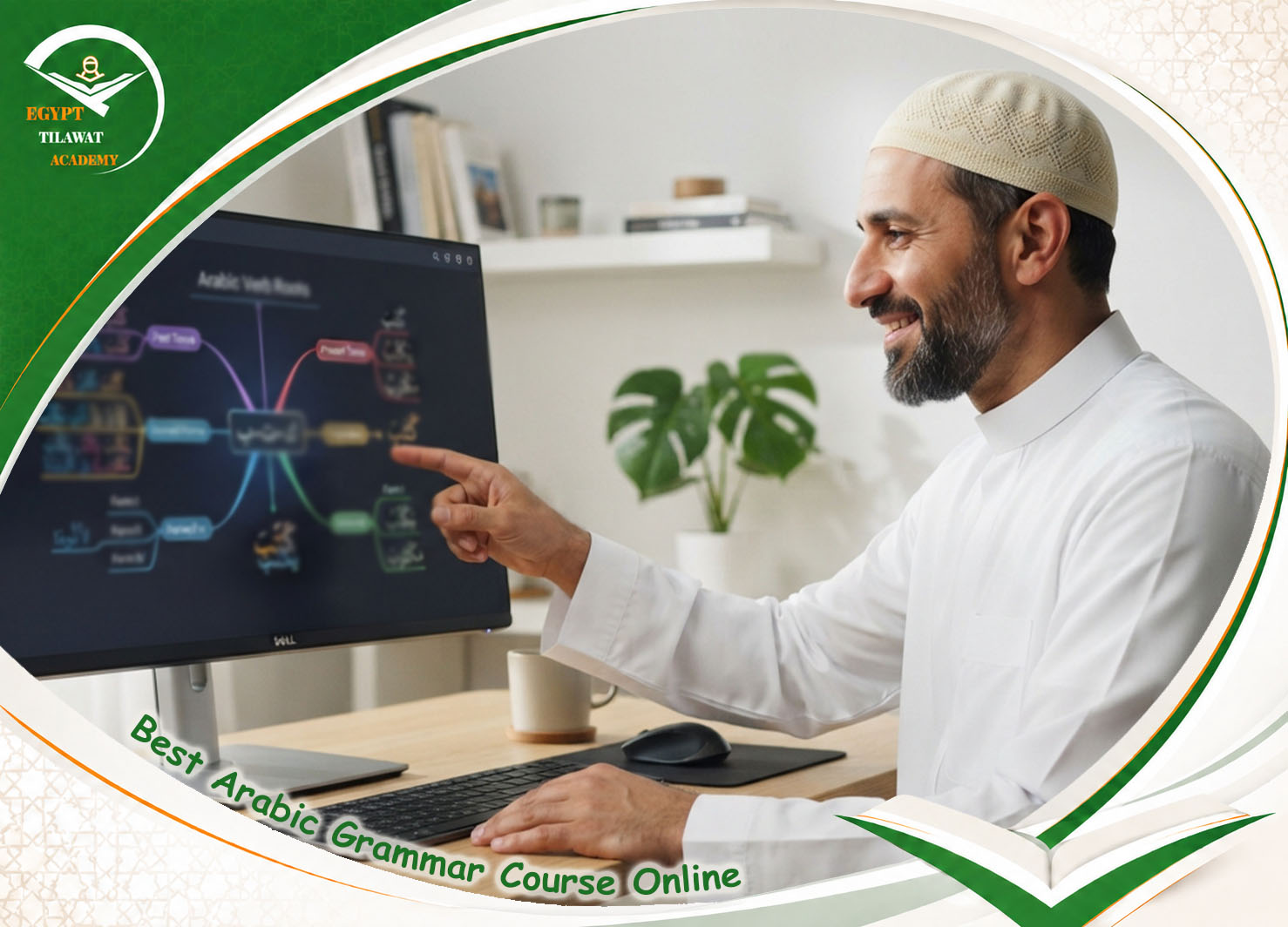
Quranic Arabic lessons can introduce students to frequently used Quranic vocabulary, basic grammar, word roots, and common expressions.
These subjects can help learners recognise connections between words and develop a stronger foundation for understanding Quranic passages.
Students may also explore relevant Islamic studies topics, depending on the available courses and their learning objectives.
These can include:
- Basic Islamic beliefs and Aqeedah.
- Seerah and the life of Prophet Muhammad (peace be upon him).
- Hadith and its importance.
- Islamic manners and daily practices.
- The foundations of Islamic knowledge.
Learning recitation, Arabic, and Islamic studies together can create a more complete educational experience.
However, students should remember that correct recitation and understanding the meaning of the Quran are related but different learning objectives. Each requires appropriate instruction and study.
Can Non-Arabic Speakers Learn Quran with a Native Arabic Teacher?
Yes. You do not need to speak Arabic before beginning Quran lessons.
Many Muslims in the USA, UK, Canada, and Australia grow up speaking English or another language at home. Although they may understand the importance of learning the Quran, they might have limited experience reading Arabic.
A native Arabic Quran teacher can help these learners start from the basics and gradually develop their reading and recitation skills.
The most important consideration is finding an instructor who understands the challenges faced by non-Arabic speakers.
An effective teacher should be able to explain unfamiliar sounds, demonstrate pronunciation clearly, and adapt lessons to the student's level.
For English-speaking learners, communication is another important factor. A teacher who can explain instructions in clear English can make complicated Tajweed concepts easier to understand.
Students should not feel embarrassed about making mistakes or asking questions. Quran education is a gradual process, and beginners need an encouraging environment where they can learn at a comfortable pace.
Learn Quran from Scratch Without Previous Arabic Knowledge
Starting Quran lessons without Arabic knowledge is completely possible.
A beginner's learning journey usually begins with recognising Arabic letters and understanding how their sounds differ.
Students then move on to reading letters with vowel marks, joining letters, and pronouncing simple words.
Once they develop basic reading skills, they can gradually begin reading Quranic passages with teacher guidance.
A structured beginner program may include:
- Learning the Arabic alphabet.
- Practising individual letter pronunciation.
- Understanding short and long vowel sounds.
- Reading connected letters and simple words.
- Learning basic Quran reading rules.
- Beginning guided Quran recitation.
- Introducing foundational Tajweed concepts.
Students should avoid comparing their progress with people who have studied Arabic for years.
A child learning the alphabet and an adult beginning Quran reading later in life have different needs. Both deserve an appropriate learning plan.
The right Quran tutor will help students move forward without overwhelming them.
Why English-Speaking Quran Teachers Matter
A native Arabic-speaking Quran teacher who can communicate effectively in English can be particularly helpful for Western learners.
Although authentic Arabic pronunciation is important, students also need to understand the instructions behind each correction.
For example, a beginner may not understand why two Arabic letters should sound different or how to position the tongue when pronouncing a particular letter.
An English-speaking instructor can explain the concept in familiar language before demonstrating the correct Arabic pronunciation.
This approach can make Tajweed lessons more accessible and reduce confusion.
Clear communication is also useful when discussing homework, memorisation goals, reading difficulties, and lesson progress.
Parents can benefit from English communication when discussing their children's learning needs and receiving updates about their development.
When choosing an online Quran tutor, consider both Arabic proficiency and the ability to explain lessons in a language you understand.
Native Arabic Quran Teachers for Kids, Adults, and Beginners
Different students approach Quran education with different expectations.
A young child may need interactive lessons and encouragement, while an adult beginner may prefer detailed explanations and a slower learning pace.
New Muslims may need a supportive introduction to Arabic letters, Quran reading, and basic Islamic knowledge.
For this reason, the best native Arabic Quran teacher is not simply someone who knows how to recite the Quran. The instructor should understand the learner's age, experience, confidence, and educational goals.
Personalised instruction can make lessons more relevant and help students develop a consistent learning routine.
Native Arabic Quran Teacher for Kids
Children benefit from learning the Quran in a positive and encouraging environment.
For young learners, lessons should be organised around their attention span, reading ability, and level of understanding.
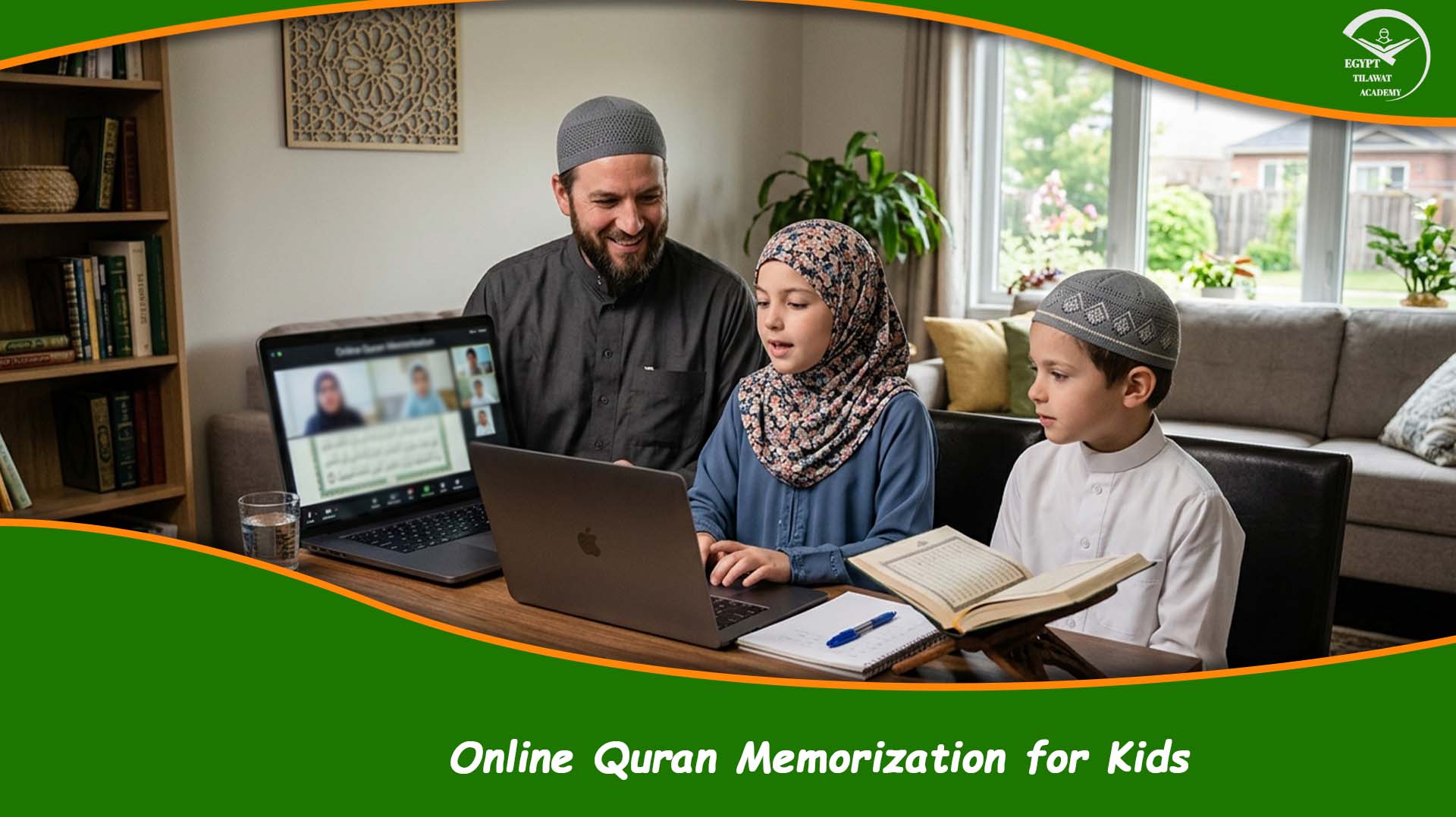
A qualified online Quran teacher for kids should introduce new concepts gradually and provide opportunities for children to practise what they learn.
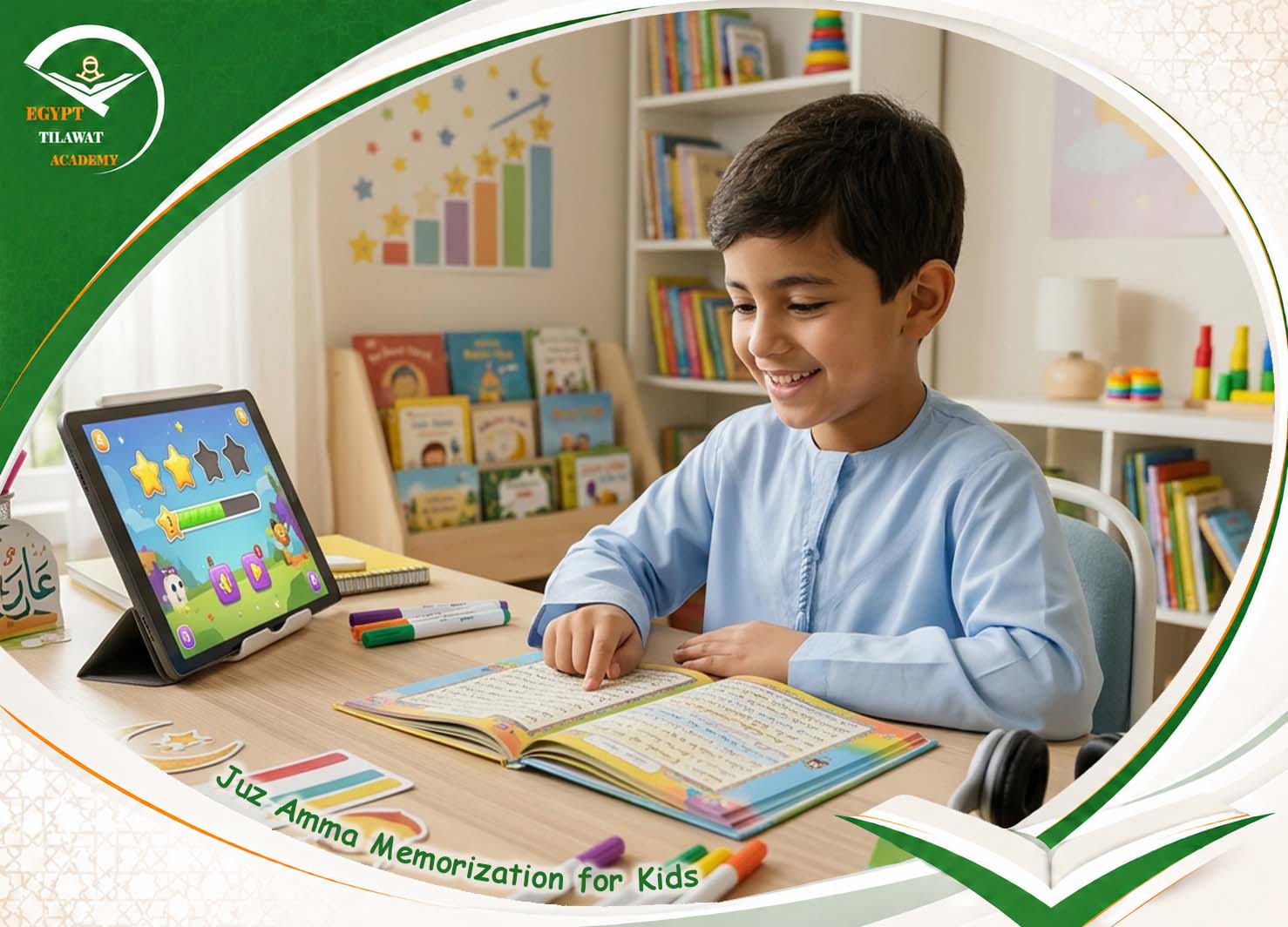
Lessons may include Arabic alphabet recognition, Noorani Qaida, Quran reading, basic Tajweed, and memorisation of short Surahs.
Teachers can use repetition, simple explanations, and age-appropriate activities to make learning more engaging.
Parents also play an important role in supporting children's progress. A regular practice routine at home can reinforce what children learn during their online lessons.
When choosing a Quran tutor for your child, consider the instructor's experience with young learners, communication style, patience, and ability to provide appropriate feedback.
Parents may also prefer to discuss whether male or female teachers are available, depending on their family's preferences.
Most importantly, children should feel comfortable asking questions and correcting mistakes without fear or unnecessary pressure.
Native Arabic Quran Teacher for Adults
It is never too late to improve your Quran reading or begin learning Arabic.
Many adults want to study the Quran but find it difficult to attend traditional classes because of work, family responsibilities, or limited access to local teachers.
Online Quran lessons provide an alternative that can fit around these commitments.
An adult Quran learning program can begin with basic Arabic reading or focus on more advanced areas such as Tajweed, recitation accuracy, and Hifz.
Adults may also appreciate having the opportunity to discuss their learning goals and receive explanations suited to their previous experience.
For working professionals, flexible lesson arrangements can make it easier to maintain consistency.
The most important thing is to choose a realistic study plan. Even short, regular practice sessions can support progress when combined with effective teacher guidance.
An experienced Quran teacher for adults should understand that learners have different responsibilities and may need additional time to practise between lessons.
Quran Teachers for New Muslims and Reverts
New Muslims often want to establish a connection with the Quran but may not know where to begin.
Learning Arabic letters, understanding basic Quran reading, and becoming familiar with essential Islamic concepts can feel challenging without suitable guidance.
A patient Quran teacher for new Muslims can make the learning process more comfortable by starting with the fundamentals.
Lessons may begin with Arabic pronunciation and basic reading skills before progressing to Quran recitation and introductory Tajweed.
New Muslims may also benefit from studying selected Islamic topics alongside their Quran lessons.
An important consideration is choosing an instructor who respects the student's background and understands that everyone learns at a different pace.
There should be no expectation that a new Muslim already understands Arabic or knows how to read the Quran.
A supportive learning environment allows students to ask questions, practise without embarrassment, and develop their knowledge gradually.
How to Choose the Best Native Arabic Quran Teacher Online
Finding the right online Quran tutor requires more than searching for someone who speaks Arabic fluently.
Students should consider the instructor's Quranic knowledge, teaching qualifications, experience, communication skills, and ability to meet their learning needs.
A native Arabic speaker may have excellent language skills, but Quran teaching also requires specialised knowledge of recitation and Tajweed.
Before enrolling in a course, take time to evaluate the teacher and understand how lessons are organised.
The following factors can help you make a more informed decision.
Check Quran Teaching Qualifications and Ijazah Certification
A teacher's qualifications are an important consideration when choosing Quran lessons.
Students should look for instructors with appropriate Quranic education, Tajweed knowledge, and relevant teaching experience.
An Ijazah is a recognised authorisation connected to the transmission and recitation of the Quran through an established chain of transmission.
For students seeking advanced recitation instruction or a formal path towards Quranic certification, studying with a qualified teacher who holds a relevant Ijazah may be particularly important.
However, not every beginner needs an Ijazah-certified instructor for their first Arabic reading lessons.
The teacher's qualifications should match the student's educational goals.
Before enrolling, ask about the instructor's Quran education, Tajweed training, Ijazah, and experience teaching students with similar needs.
If an academy mentions Al-Azhar education or other certifications, check the specific qualifications rather than relying only on general promotional statements.
Look for Experience Teaching Non-Arabic Speakers
Teaching someone who speaks Arabic at home can be different from teaching someone who has never studied the language.
Non-Arabic speakers may struggle with particular letters, unfamiliar pronunciation patterns, and the terminology used in Tajweed.
An experienced Quran tutor for non-Arabic speakers should understand these difficulties and know how to explain them clearly.
Look for a teacher who:
- Explains Arabic pronunciation step by step.
- Corrects mistakes patiently.
- Uses examples from Quranic verses.
- Communicates clearly in English when needed.
- Adjusts lesson speed according to the student's progress.
- Encourages regular reading and pronunciation practice.
A short introductory lesson can help you assess whether the teacher's approach suits your learning style.
The goal is not simply to find a native Arabic speaker but to find someone who can help you learn effectively.
Consider Female and Male Quran Teachers
Teacher preference can be an important consideration for individuals and families.
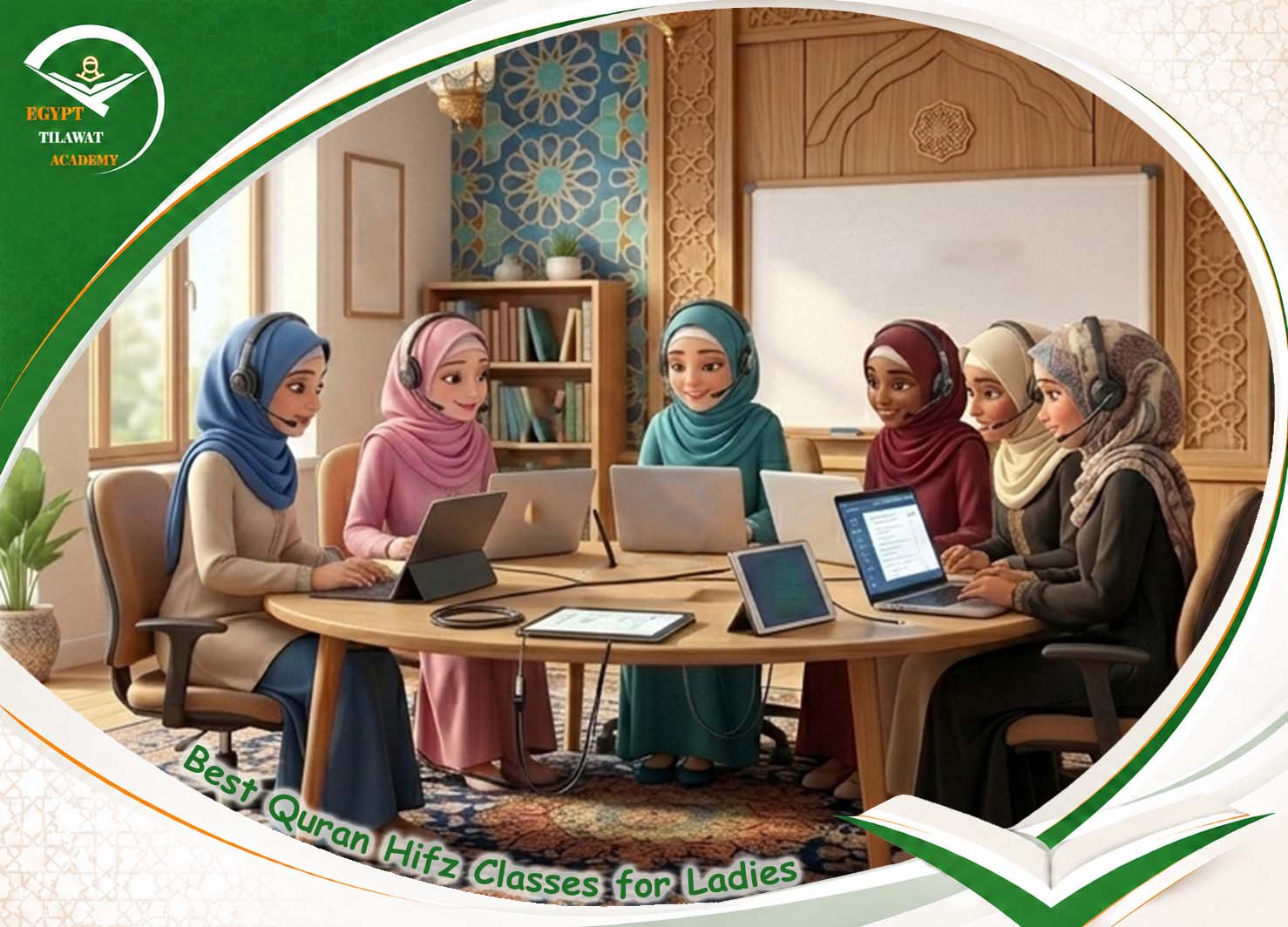
Some women prefer studying with a female Quran teacher, while parents may specifically request a female instructor for their daughters.
Other students may feel more comfortable with a male teacher.
An online Quran academy that provides suitable teacher options can make the learning experience more convenient for different families.
Before enrolling, ask whether female and male Quran tutors are available and whether you can request a particular instructor.
For children, it is also useful to consider the teacher's experience, communication style, and ability to maintain a positive learning environment.
The most important factors remain teaching quality, Quranic knowledge, professionalism, and the student's comfort.
Look for Personalized Lessons and Flexible Scheduling
Every student has different strengths and learning challenges.
A beginner may need additional time to practise Arabic letters, while an experienced reader may want to focus on advanced Tajweed rules.
One-to-one Quran classes can provide more individual attention because the teacher can focus on one student's pronunciation, reading ability, and progress.
Personalised instruction can also make it easier to set realistic goals.
Scheduling flexibility is particularly valuable for families living in different time zones.
A suitable learning schedule should support consistency without creating unnecessary pressure.
Benefits of Learning with an Online Native Arabic Quran Teacher
Online Quran education has made it easier for Muslims around the world to access Quran instruction without depending entirely on local educational centres.
For families in Western countries, finding an experienced Quran teacher nearby may be difficult. Online learning provides access to instructors in different locations while allowing students to study from home.
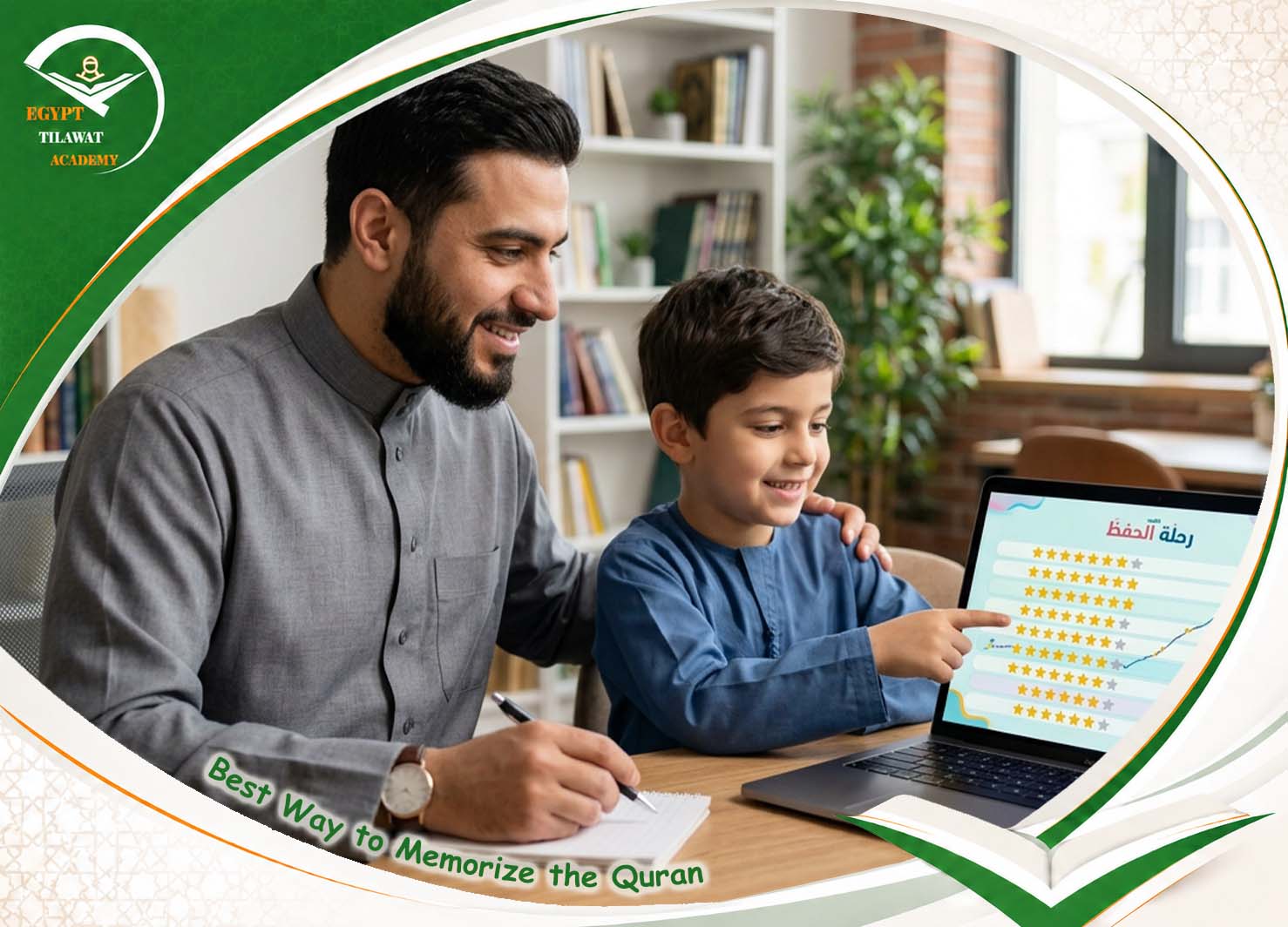
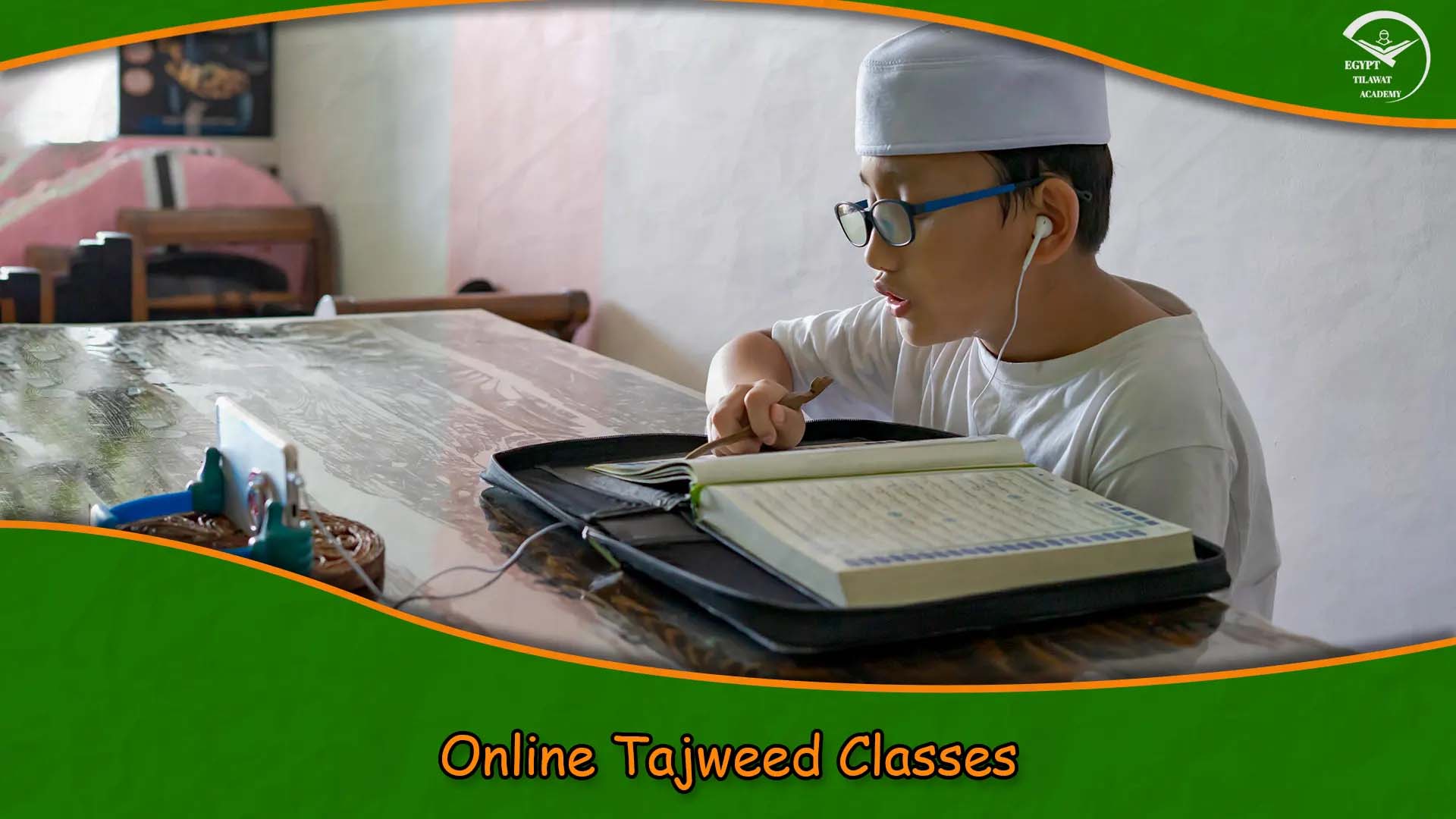
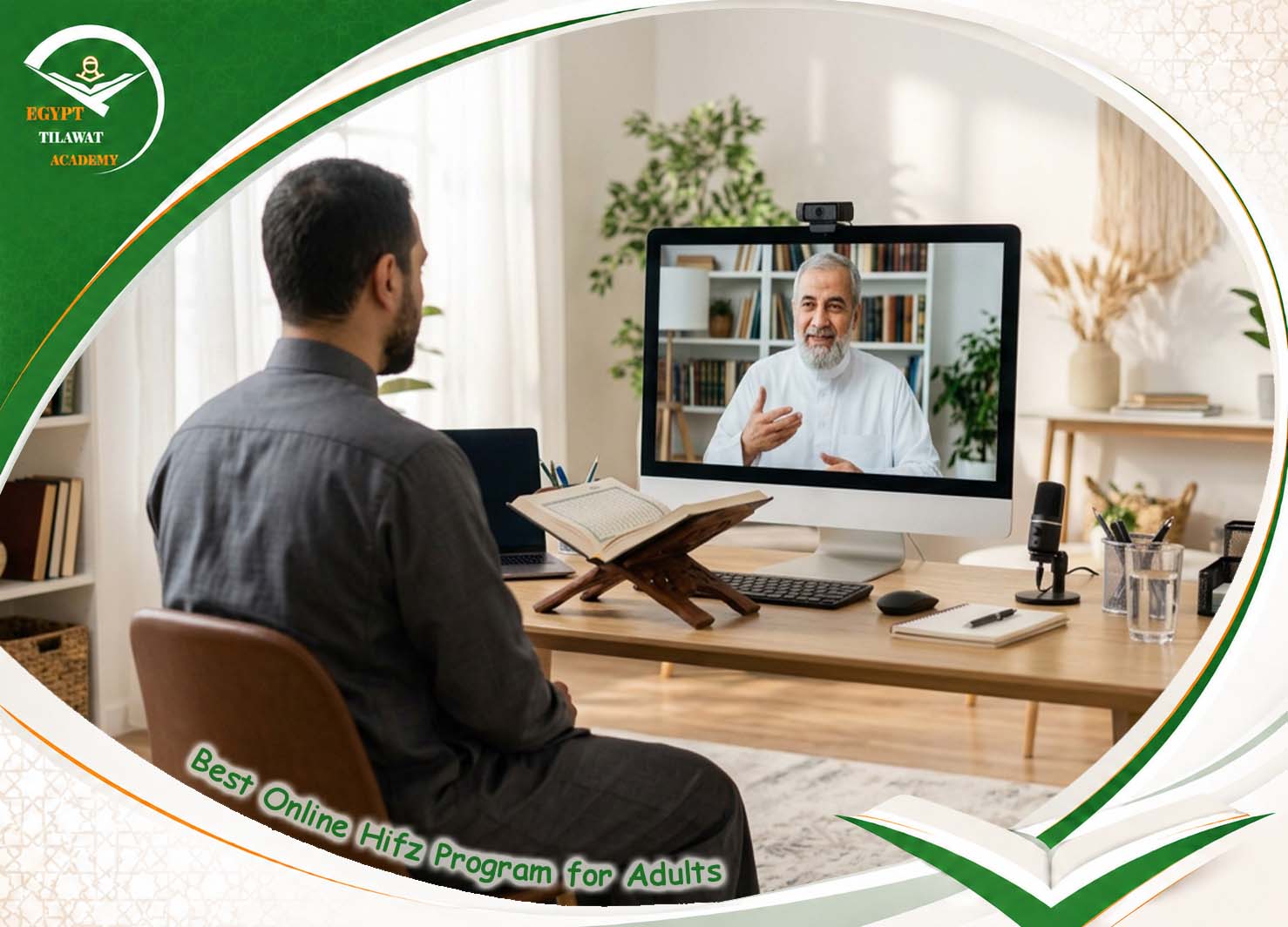
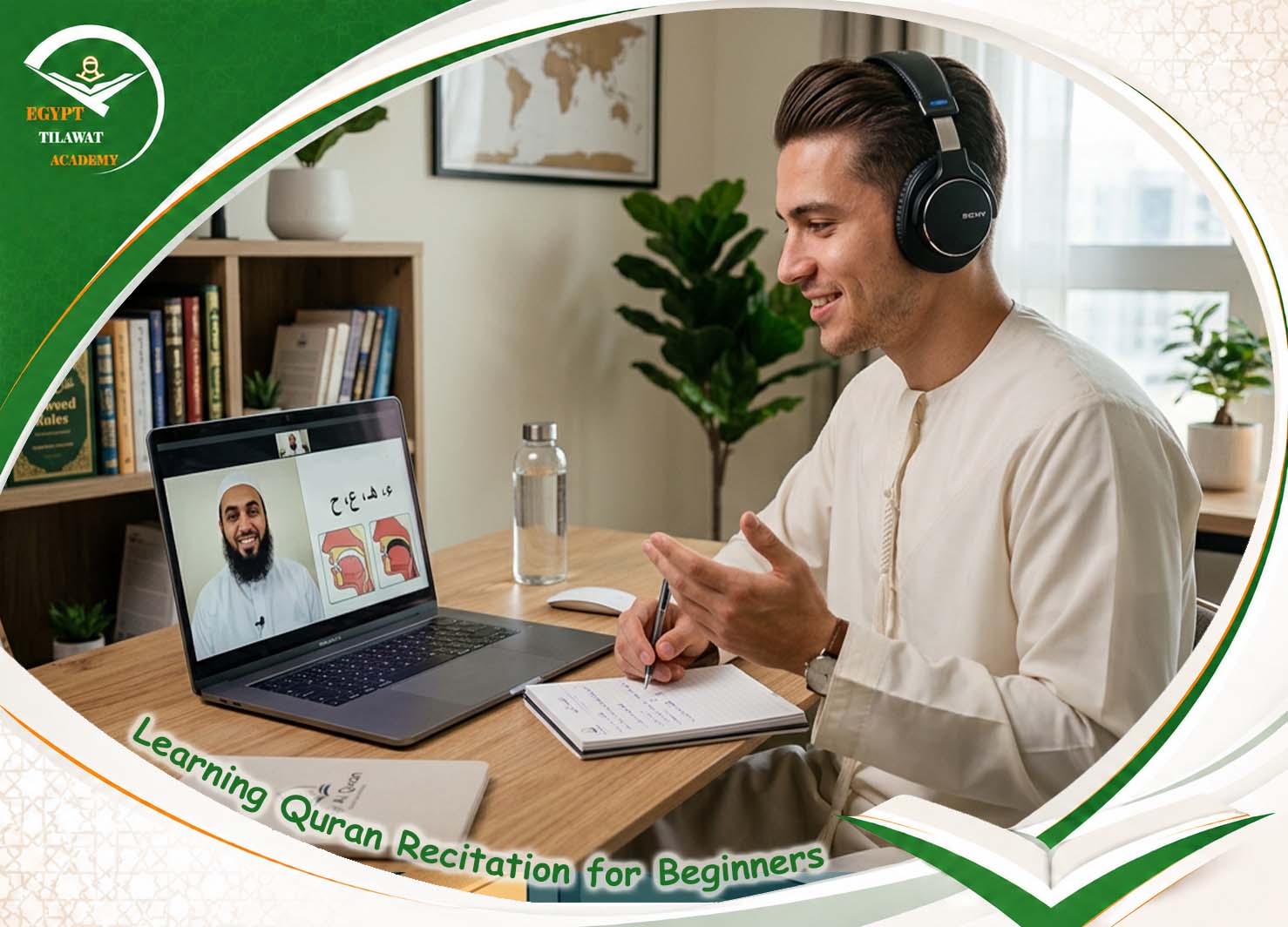
A live online native Arabic Quran teacher can listen to recitation, demonstrate pronunciation, explain Tajweed rules, and provide individual feedback through a virtual classroom.
This makes online lessons particularly useful for students who want direct interaction rather than relying exclusively on recorded videos.
Learn Quran from Home with Live Online Lessons
One of the main advantages of online Quran classes is convenience.
Students can attend lessons from home without spending time travelling to a learning centre.
This is particularly helpful for parents managing school runs, work schedules, and family commitments.
Live lessons also allow students to interact directly with their teachers.
They can ask questions, repeat difficult passages, practise pronunciation, and receive corrections during the session.
Parents should also create a quiet learning space so children can concentrate during their Quran classes.
Receive Individual Attention and Continuous Feedback
One-to-one Quran lessons allow teachers to focus on the individual student's needs.
During a live session, the teacher can listen to recitation, identify pronunciation mistakes, explain Tajweed concepts, and assign practice based on the student's performance.
This can be especially useful for beginners who need frequent corrections.
Individual feedback also helps advanced learners work on specific recitation challenges rather than spending time reviewing material they already understand.
Students can discuss their difficulties directly with the instructor and receive explanations suited to their level.
Regular progress reviews can help learners understand which skills they have improved and which areas still need attention.
This makes personalised online Quran instruction a practical option for children, adults, and beginners who want structured guidance.
Why Choose Egypt Tilawat Academy for Online Quran Learning?
Choosing an online Quran academy is an important decision because the quality of instruction can influence your learning experience over time.
Egypt Tilawat Academy is the academy featured in this guide for students exploring online Quran education. When considering its programs, learners should look for suitable teachers, clear course structures, and lessons that match their individual abilities.
For Muslims living in the USA, UK, Canada, and Australia, an online learning option can be particularly useful when local access to suitable Quran instructors is limited.
Learn from Qualified Quran and Tajweed Teachers
Teacher quality should be one of your main priorities when evaluating an online Quran academy.
Look for instructors with relevant Quranic education, strong recitation skills, and appropriate Tajweed knowledge.
If you are interested in studying with a native Arabic Quran teacher, ask about the instructors' Arabic background and Quran teaching experience.
Students seeking advanced recitation guidance may also want to ask whether teachers hold an Ijazah in the relevant Quranic recitation.
For non-Arabic speakers, English communication is another important consideration.
A teacher who can explain unfamiliar sounds and Tajweed rules clearly can make lessons easier to follow.
Egypt Tilawat Academy's current teacher profiles and qualifications should be reviewed before choosing a specific instructor.
Flexible Online Learning for Students Worldwide
For Muslims living abroad, online Quran education can provide a convenient way to study without travelling to a physical classroom.
Students in the USA, UK, Canada, and Australia may need lesson times that accommodate different working hours and school schedules.
When evaluating Egypt Tilawat Academy, check its current teaching availability and whether suitable time slots are offered for your location.
It is also worth asking about lesson duration, weekly frequency, rescheduling policies, and the technology used for live classes.
Understanding these arrangements before registration can help you decide whether the academy fits your routine.
Start Learning the Quran with Egypt Tilawat Academy
Choosing the right native Arabic Quran teacher can help you build accurate pronunciation, improve Tajweed, and develop a consistent Quran learning routine.
Whether you are a beginner, an adult, a parent, or a new Muslim, the right instruction can make your learning journey more manageable and rewarding.
Explore the online Quran learning options at Egypt Tilawat Academy, compare available teachers and programs, and ask about a free trial class.
Start your Quran learning journey today and take the next step towards more confident and accurate Quran recitation.